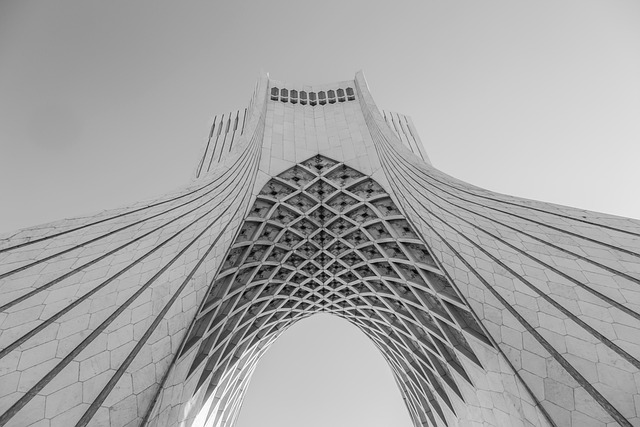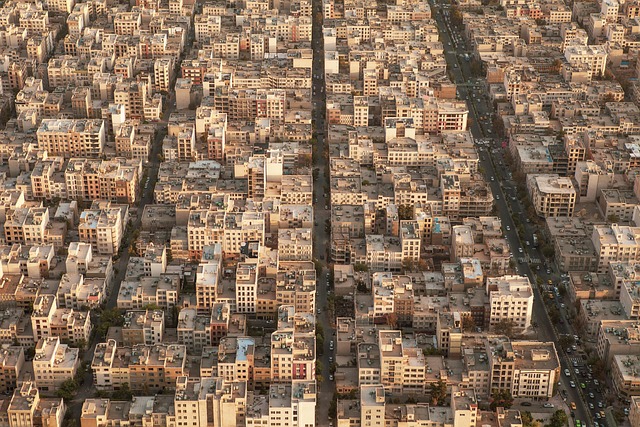
The casket of slain Iranian Supreme Leader Ayatollah Ali Khamenei was carried into Tehran's Grand Mosalla on Friday morning as Iran began a dayslong public farewell. Foreign dignitaries and religious leaders are expected to pay their respects before the body is taken on a tour of Iran and Iraq. The funeral period runs from July 4 through July 9, according to CBS News.
Khamenei was killed in U.S.-Israeli strikes on February 28. His son, Mojtaba Khamenei, was named supreme leader a week after his father's death but has not yet appeared in public. He has communicated only through written statements and is said to have been wounded in the same strikes that killed his father, though the extent of his injuries has never been confirmed.
The funeral proceedings are being closely watched for any sign of Mojtaba Khamenei's appearance. His father, Ali Khamenei, appeared visibly at the 1989 funeral of Supreme Leader Ayatollah Ruhollah Khomeini, an event that marked the beginning of his own decades-long grip on power.
A powerful general who leads Iran's paramilitary Revolutionary Guard also emerged from hiding Thursday ahead of the funeral. Photos published by Iranian state media showed Gen. Ahmad Vahidi sitting alongside Khamenei's casket during a small service Thursday night.
With riot police posted and barricades erected, the venue resembled a fortified camp by Friday evening. The complex's walls were covered with large portraits of Khamenei and black mourning flags.
Iranian state television has broadcast repeated warnings about heat and crowd safety ahead of the ceremonies. Temperatures were expected to exceed 35 degrees Celsius, or 95 degrees Fahrenheit, on Saturday. In 2020, more than 50 people died during the funeral of Gen. Qassem Soleimani, the last event comparable in crowd size. Soleimani was killed in a U.S. drone strike in Iraq in January of that year.
One volunteer, a 25-year-old student from northern Iran named Fatemeh Nowdehi, described why she came. "Coming here is the last and only thing one can do" for Khamenei, who "sacrificed his life" for Iran, she said. "If they suffer from heatstroke or have any other problem, we will help them ... with water or food," she added.
Qatari and Pakistani mediators said Thursday that the next meetings between Iranian and U.S. negotiators would be scheduled at the earliest possible time after the funeral commemorations conclude.