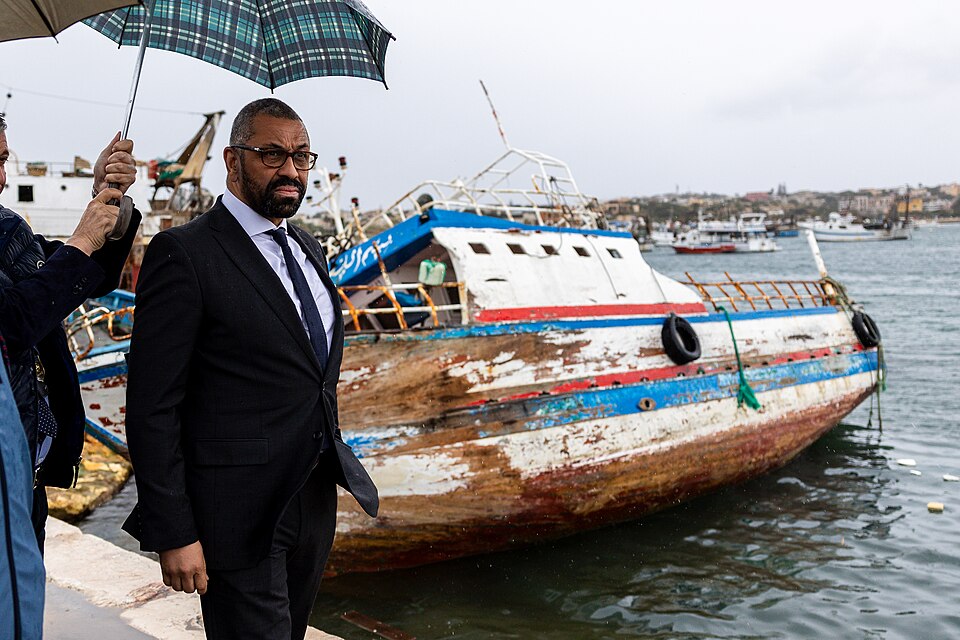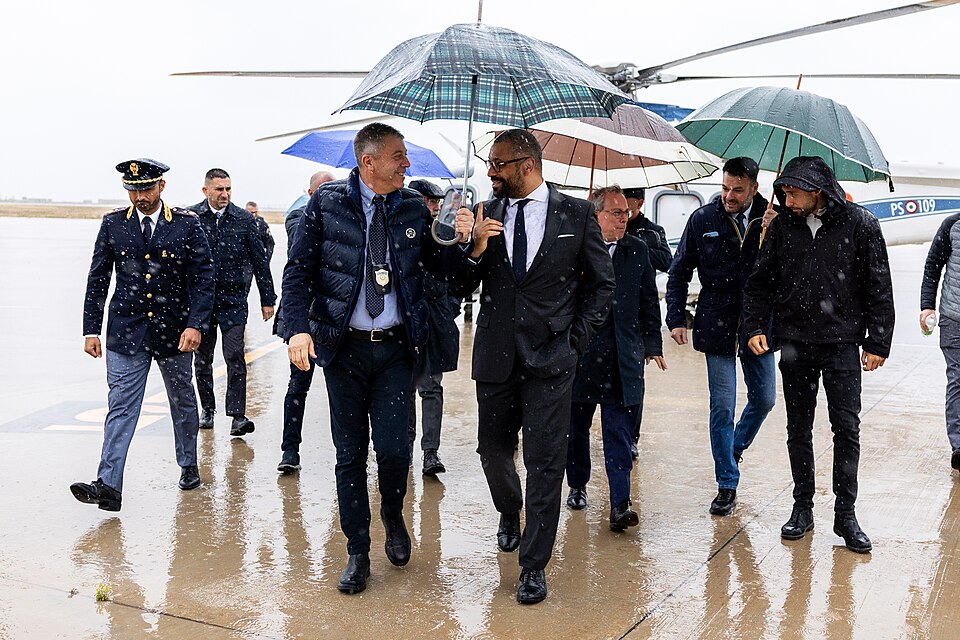
Pope Leo XIV traveled to Lampedusa on Saturday, visiting the Italian island that has become one of the most visible symbols of Europe's migration crisis, and calling on European nations to do more to protect and welcome people crossing the Mediterranean.
The pope made the trip as a symbolic gesture. Lampedusa sits closer to Tunisia than to mainland Italy and has received thousands of people rescued after attempting the dangerous central Mediterranean crossing. More than 14,000 migrants have reached Italy by sea so far this year, according to the United Nations refugee agency, with more than half landing on the island. The International Organization for Migration says more than 1,400 people have died or gone missing in the Mediterranean this year.
According to Al Jazeera, the pope began his visit by praying at a cemetery where migrants who died at sea are buried. He then visited the "Door of Europe" memorial, dedicated to those who risk their lives attempting to reach the continent. He also blessed a plaque renaming a migrant arrival pier after his predecessor, Pope Francis, who made his own visit to Lampedusa in 2013 on his first trip outside Rome after becoming pope.
During Mass, the pope described migration as a "momentous challenge" for European societies while arguing that the continent had the capacity to respond. "Europe is capable of addressing the crisis in this region in a comprehensive manner," he said, calling for immediate relief to be combined with a long-term plan to "receive, protect, support and integrate migrants."
He urged European governments to invest in the countries migrants come from, arguing that people should not be forced to leave because of poverty, insecurity or conflict. He said the deaths at sea were the result of "choices made and unmade" and that the memory of those lost should weigh on European conscience alongside the needs of survivors.
The visit came as governments across Europe and the United States have placed growing emphasis on border controls, detention and deportations. The pope, who is the first U.S.-born pontiff, also delivered a separate message to Americans marking the 250th anniversary of U.S. independence, saying that defending human life also meant "welcoming, protecting and assisting immigrants."