By 2050, antibiotic-resistant infections are estimated to be associated with more than 8 million deaths around the world every year. Scientists are now turning to generative AI and physics-based computer simulations to find new drugs before that deadline arrives, according to a report by Phys.org.
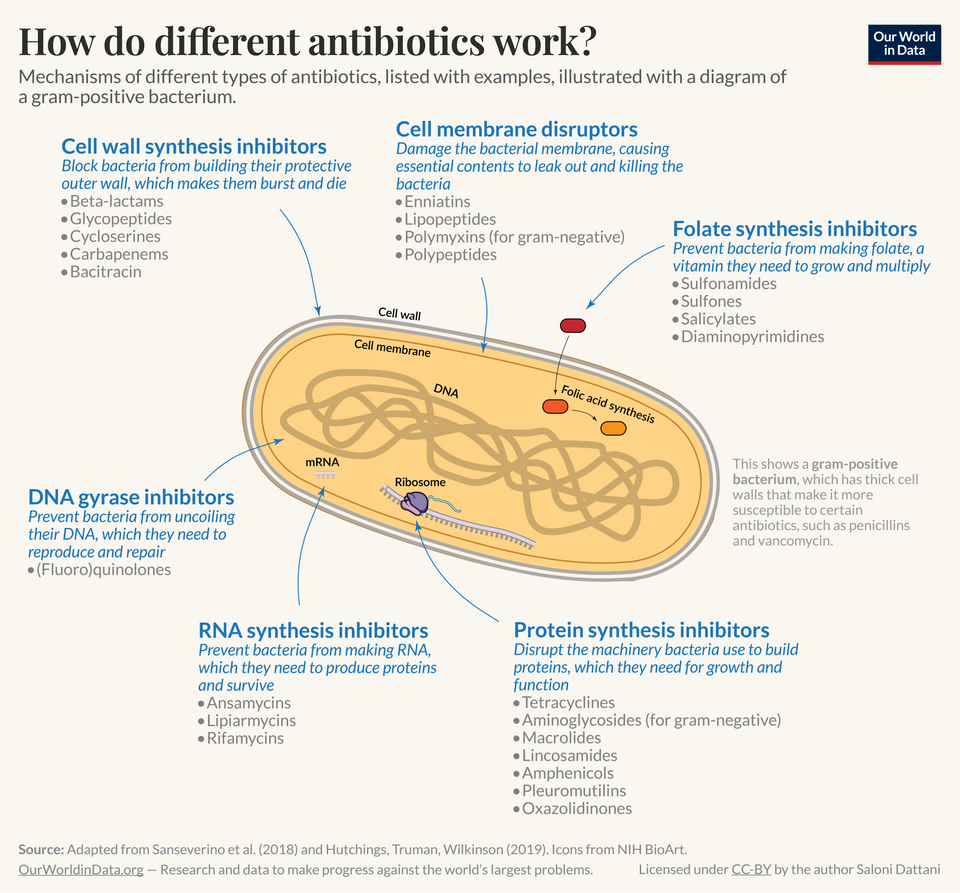
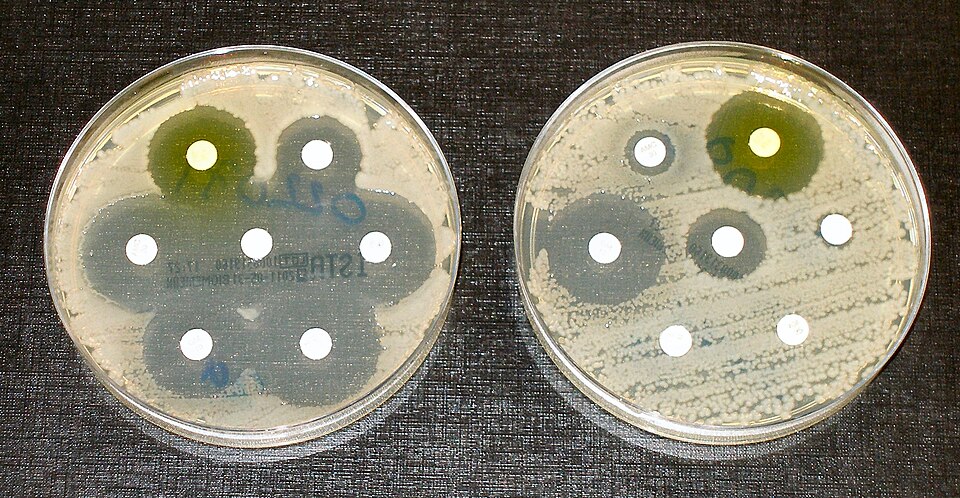
The problem is significant and growing. Antibiotic-resistant infections develop when bacteria stop responding to drugs like penicillin. They can result from eating contaminated food, having an open wound, or undergoing surgery. E. coli is one well-known example, as several of its strains have become highly resistant to conventional treatments. Resistant infections can also arrive as secondary complications, such as pneumonia following a viral illness.
Developing new antibiotics through traditional methods is slow and expensive. It can take 10 years and more than one billion dollars to bring a single new drug to market. Of the 13 new antibiotics developed since 2017, 10 are already ineffective against at least one type of bacteria.
Researchers are exploring peptides as a starting point for new antibiotic designs. Peptides are short proteins that perform a wide range of functions in the body. Insulin, which is used to treat diabetes, is a naturally occurring peptide. Vancomycin, an important antibiotic created by soil-dwelling bacteria as a natural defense, is another. Both appear on the World Health Organization's Model List of Essential Medicines.
The approach combines two tools. A generative AI model can rapidly produce millions of new molecular designs. Physics-based simulations, where a computer models the laws of reality, can then test whether a given design would actually work as a drug. Together, the two tools can screen candidates far faster and more cheaply than laboratory experiments alone.
A well-designed AI system for this purpose has two main parts. One part, called the generator, produces new molecular designs quickly. The other, called the recommender, selects which designs are worth simulating next. Researchers compared the recommender to the algorithm a video platform uses to suggest what to watch next: useful, important, and difficult to configure correctly.
Recent research from the lab focused on what kinds of information are most useful when training the generator. The team tested whether providing the AI with large amounts of general peptide data or a smaller amount of highly specific data produced better results. Their findings showed it was better to give the generator a small amount of very relevant information than a large amount of loosely related data.
That finding carries practical weight. In many cases, researchers only have limited experimental data to work with. Only a small fraction of the hundreds of thousands of known peptides have been tested in laboratory settings. Knowing that focused, relevant data produces better AI-generated designs means researchers can work effectively even when experimental records are sparse.
The combination of generative AI and physics-based simulation does not replace laboratory work, but it can narrow the search significantly before any experiment is run, reducing the cost and time needed to identify promising drug candidates.