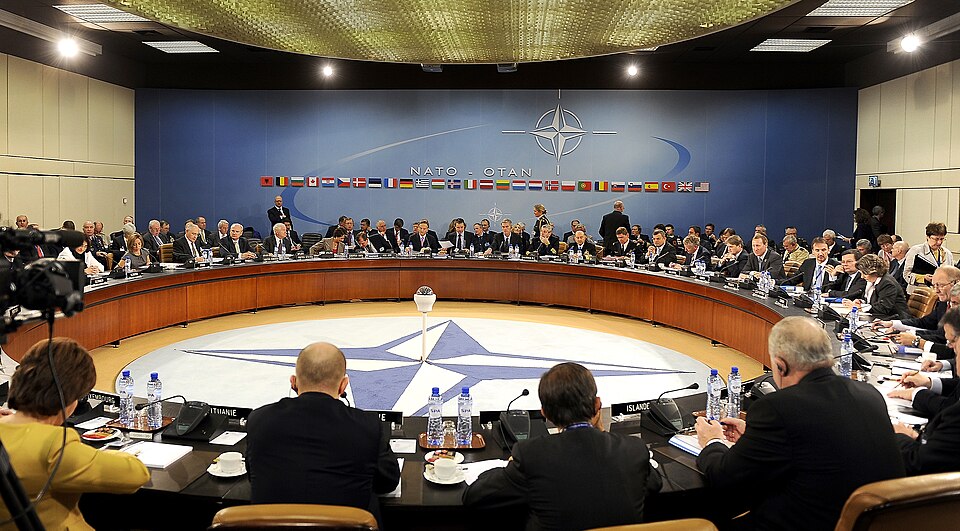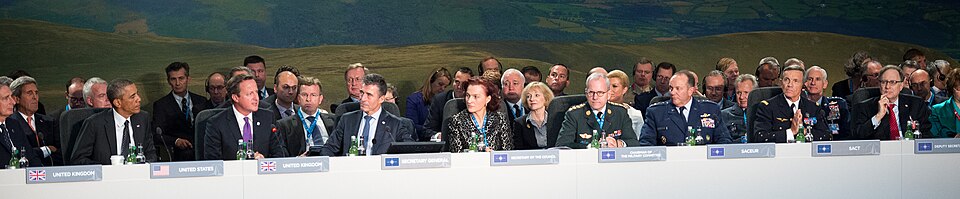
President Trump is traveling to Turkey this week for a NATO summit that will cover defense spending, support for Ukraine, and the fallout from the recent U.S.-Iran conflict, according to Bloomberg.
Bloomberg News Middle East reporter Dan Williams described the summit as a crucial meeting where the aftermath of the Iran conflict will shape discussions even as the formal agenda focuses on other issues. Williams said questions about Washington's long-term commitment to the alliance will also be part of the backdrop.
The summit comes as Iran faces a significant leadership transition. Ayatollah Ali Khamenei has died, and Iranian leadership gathered publicly for his funeral in what observers described as a show of unity. However, no successor was present at the funeral, leaving Iran's political future uncertain at a moment when the country's relationship with the West remains deeply strained.
The combination of Iran's internal instability and the ongoing war in Ukraine gives NATO leaders a crowded agenda in Turkey. Defense spending commitments among member nations have been a persistent point of tension within the alliance, and the Iran conflict has added new urgency to those conversations.
Trump's presence at the summit will be closely watched given longstanding questions about the current administration's posture toward NATO. The alliance has operated under uncertainty about U.S. priorities since Trump returned to office, and European members in particular have pushed for clearer signals about American commitment to collective defense.
Ukraine's situation remains unresolved, and NATO members are expected to discuss the level and duration of support the alliance is prepared to offer. The Iran conflict has consumed significant U.S. military and diplomatic attention in recent months, leading some European officials to raise concerns about whether that focus has come at Ukraine's expense.
Williams told Bloomberg that the NATO summit will be shaped by all of these factors simultaneously, making it one of the more consequential alliance meetings in recent years. The combination of a leadership vacuum in Iran, active conflict in Ukraine, and internal alliance debates over spending and commitment gives leaders in Turkey a full agenda with few easy answers.
The death of Khamenei removes one of the most consistent figures in Iranian politics and foreign policy over the past several decades. How Iran's government stabilizes, and who ultimately takes control, will have direct implications for U.S. policy in the region and for the broader security calculations that NATO members are working through this week.