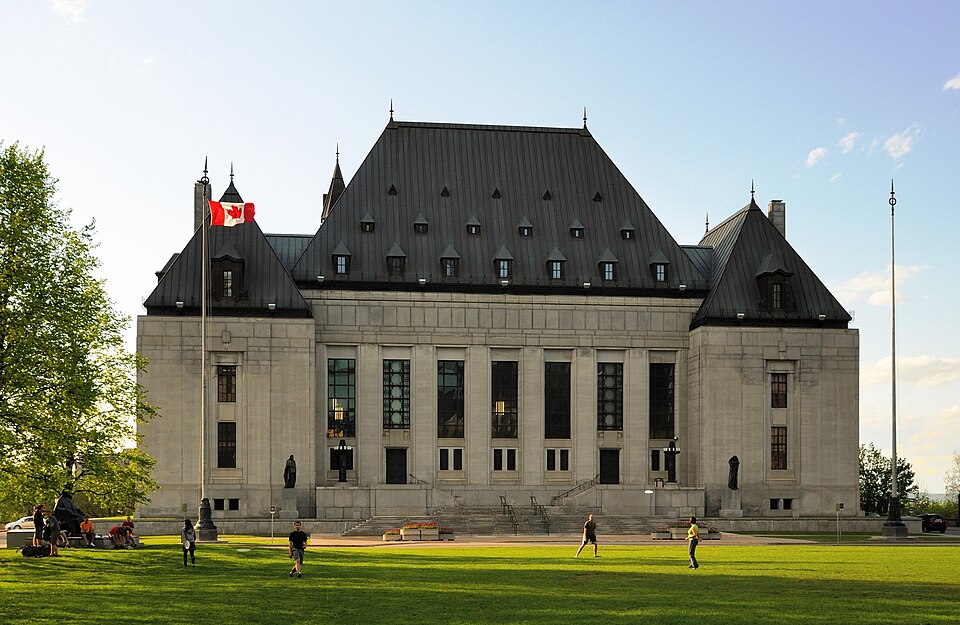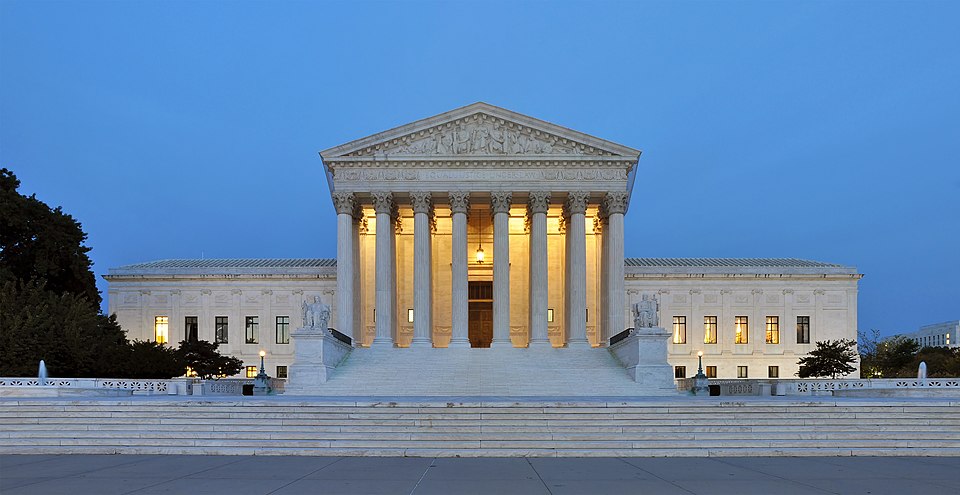
The Supreme Court ruled 6-3 in favor of West Virginia and Idaho in a pair of cases involving transgender athletes, upholding state laws that require student-athletes to compete on teams that correspond with their biological sex at birth rather than their gender identity.
The decisions came in West Virginia v. B.P.J. and Little v. Hecox. The states were backed by the law firm Alliance Defending Freedom. The transgender athletes were represented by the American Civil Liberties Union and Cooley Legal.
Justice Brett Kavanaugh wrote the opinion for the court. "Consistent with Title IX and the Equal Protection Clause, we hold that the States may maintain women's and girls' sports for biological females. They may determine eligibility for women's and girls' sports based on biological sex," the opinion read.
The ruling gives more than half of U.S. states the authority to enforce restrictions on transgender athletes in girls' sports without fear of a legal challenge. However, 23 states, including California, New York and Massachusetts, do not have such laws. Some of those states have laws specifically protecting transgender athletes in girls' sports.
American Olympic runner Nikki Hiltz, who identifies as transgender nonbinary, responded to the ruling after competing in the Prefontaine Classic in Eugene, Oregon, where Hiltz won the mile race with a time of 4:17.49. Hiltz has always competed in women's races.
"I wasn't surprised, but I was obviously still disappointed," Hiltz said of the ruling, via The Athletic. "For me, I want to show that trans people can be in sport, be affirmed in their gender. We're not these big, scary things."
Hiltz also said, "It's a really weird time in our country for a lot of different communities, mine specifically."
Hiltz had previously described a personal understanding of gender identity in an Instagram post. "The best way I can explain my gender is as fluid," Hiltz wrote. "Sometimes I wake up feeling like a powerful queen and other days I wake up feeling as if I'm just a guy being a dude, and other times I identify outside of the gender binary entirely."
The ruling does not affect states that have chosen not to pass restrictions. Those 23 states retain their current policies, and some will continue to allow transgender athletes to compete in accordance with their gender identity under existing state-level protections.
The cases had been closely watched by sports organizations, civil rights groups, and state governments across the country. With the court's decision now final, states with existing laws in place can move forward with enforcement, while states without such laws face no immediate legal requirement to adopt them.