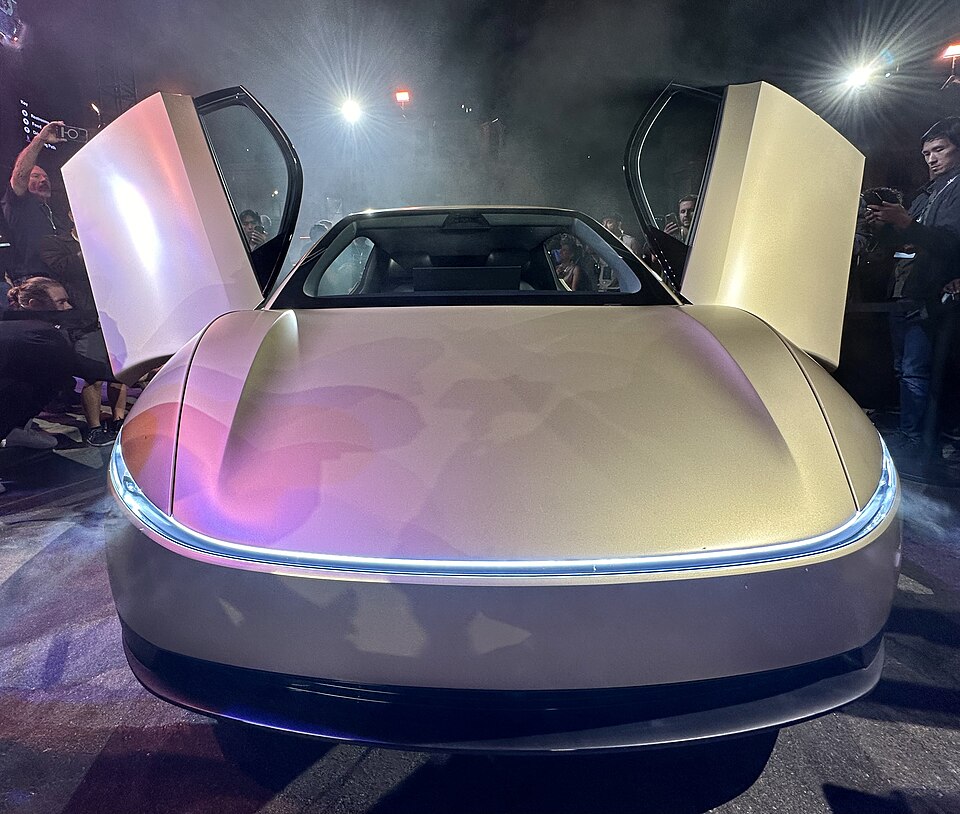
Tesla announced Friday that its robotaxi service is now available in Miami, marking the first expansion of the program outside Texas and California. The announcement came through a post on Tesla's official robotaxi X account.
The Miami coverage zone is limited. According to Electrek, the service runs through West Miami with corridors toward Doral and Sweetwater. State Road 826 forms the northern boundary and U.S. 41 the southern edge. Miami Beach, the airport, downtown Miami, and the large majority of Miami-Dade County are not included in the service area.
Tesla's robotaxi operation originally launched in Austin in June of last year. The company later expanded to Dallas and Houston. Tesla had previously listed Miami alongside Phoenix, Orlando, Tampa, and Las Vegas as cities it planned to enter during the first half of 2026, though that timeline gradually shifted to more ambiguous language about preparations being underway before the Miami launch arrived.
The Austin operation remains small. Austin city officials estimate the total Tesla fleet there at around 50 cars, though the subset running without any onboard Tesla employee has shrunk over time, dropping from a high of roughly 25 down to approximately 14, according to Electrek. Riders in Austin face waits of more than 15 minutes, and spot checks found the service completely unavailable over a quarter of the time.
During Tesla's Q1 2026 earnings call, CEO Elon Musk framed the pace of expansion as a safety question. He told investors the company would not push for growth until a rewritten version of its Full Self-Driving software delivered the necessary improvements. Tesla has reported a series of crashes to the National Highway Traffic Safety Administration in Austin.
Musk also cautioned investors against expecting significant near-term revenue from the robotaxi business, saying material returns are unlikely before at least 2027. Tesla competes in the robotaxi sector against Alphabet's Waymo and Amazon's Zoox, both of which have been expanding their own services in multiple cities.
The Miami launch gives Tesla a foothold in Florida, a large and politically visible market, even if the current coverage area is narrow. Whether the company can scale the service to match the broader Miami metro will depend in part on the software improvements Musk has pointed to as the primary constraint on growth.