

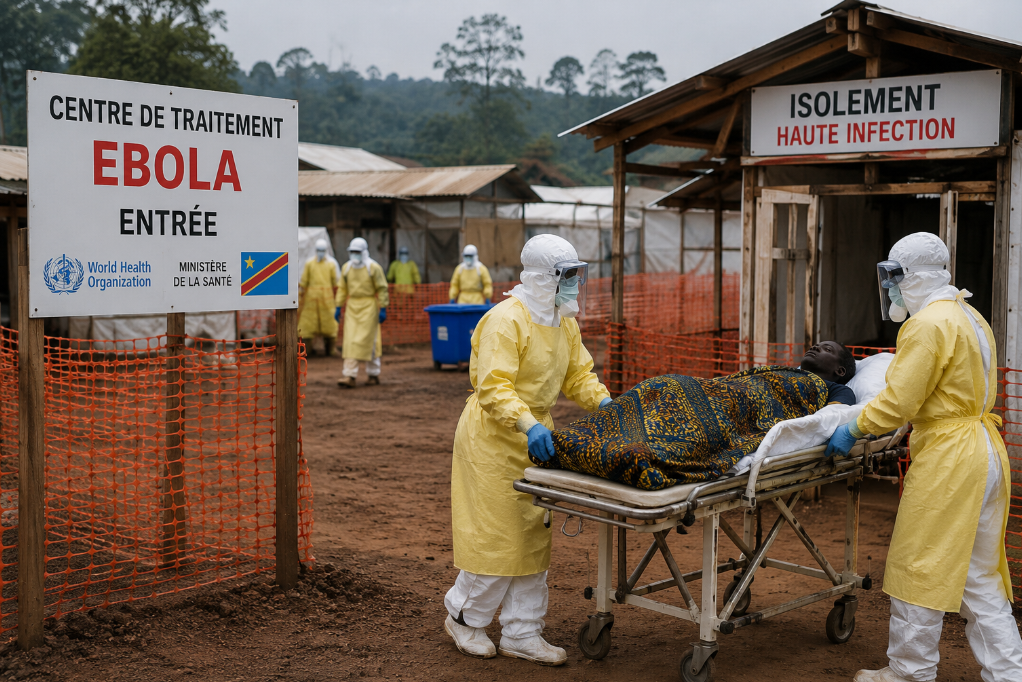
Scientists and pharmaceutical researchers are intensifying efforts to develop effective therapies for Ebola virus disease, according to a report by STAT. The push reflects both the ongoing threat posed by periodic outbreaks and the recognition that existing tools remain limited when it comes to treating patients who have already contracted the virus.
Ebola has caused multiple outbreaks across Central and West Africa over the past several decades. The 2014 to 2016 epidemic in West Africa was the largest in history, killing more than 11,000 people and exposing the gaps that exist in both treatment and containment infrastructure. Since then, smaller outbreaks have continued to occur, keeping pressure on the scientific community to move beyond vaccines and develop targeted treatments.
Vaccines against Ebola have advanced considerably in recent years. The rVSV-ZEBOV vaccine, developed with support from multiple international partners, has been deployed during outbreaks and shown effectiveness in real-world conditions. But vaccination is a preventive tool. Once a person is infected, treatment options remain constrained.
Two monoclonal antibody treatments, Inmazeb and Ebanga, received approval from the U.S. Food and Drug Administration in 2020 for treatment of Zaire ebolavirus infection in adults and children. Those approvals marked progress, but researchers say more options are needed, particularly treatments that may be effective against different strains of the virus or that can be administered more easily in resource-limited settings.
The race for new therapies involves multiple research teams working across different therapeutic approaches. Some are focused on antiviral compounds that interfere with the virus's ability to replicate inside human cells. Others are developing next-generation antibody therapies designed to be more potent or broader in their activity against different Ebola species.
The logistics of conducting clinical trials for Ebola are difficult. Outbreaks occur unpredictably, in remote areas, and in contexts where standard clinical trial infrastructure does not exist. Researchers have developed adaptive trial designs that allow data collection during active outbreaks, but those approaches require significant advance preparation and coordination with local health authorities.
Funding and sustained commitment from governments and global health organizations remain critical variables. Research into Ebola therapies tends to accelerate during outbreaks and slow during the intervals between them, a pattern that researchers say undermines long-term progress. Advocates for preparedness have argued for sustained investment regardless of whether an active outbreak is underway.
The current push described by STAT comes as the broader global health infrastructure faces pressure from funding cuts in several donor countries, adding urgency to the question of who will pay for and prioritize the next stage of Ebola therapy development.