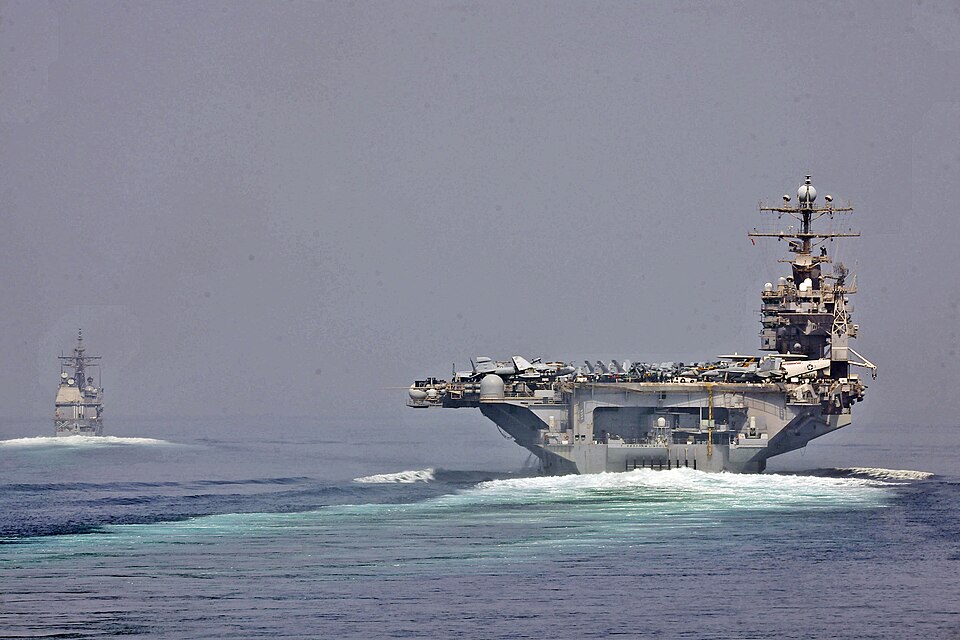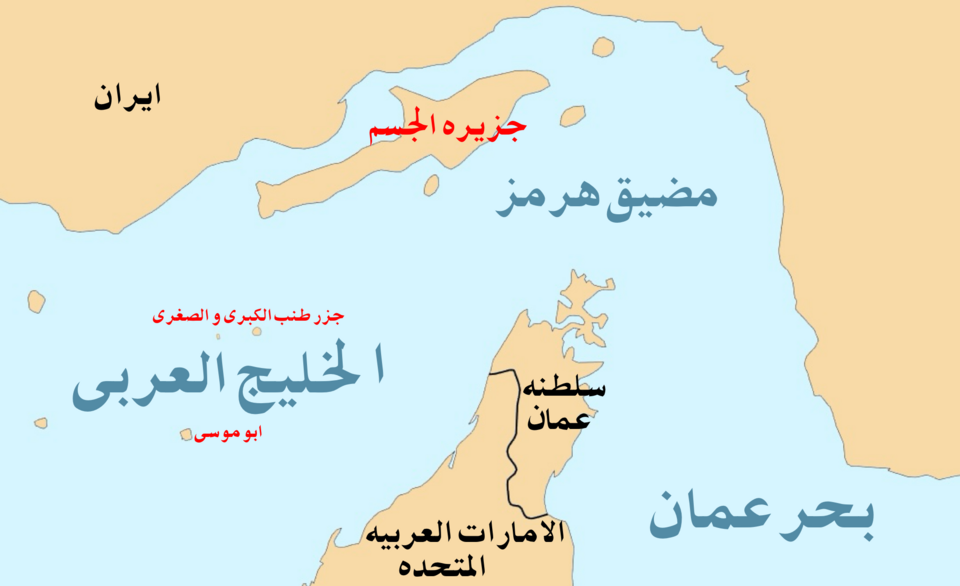
President Trump and NATO leaders convened Tuesday in Ankara, Turkey, for the alliance's annual summit, while a Saudi-flagged crude oil tanker was set ablaze after being struck by a projectile near the Strait of Hormuz.
The tanker attack came as Iran was mourning the death of Supreme Leader Ali Khamenei and as Tehran threatened to abandon ongoing talks over Trump's public threats, according to reporting by AP News and CBS News. Iran's Revolutionary Guard was reported to have fired missiles at ships near the strait.
The timing placed the incident squarely in the backdrop of the NATO meeting, which comes during the ongoing U.S.-led conflict with Iran and the continuing war in Ukraine.
Ahead of arriving in Ankara, Trump expressed dissatisfaction with the alliance. On July 2, he posted on social media, "The United States spends more money on NATO than any other country, by far, to protect them, without getting any benefit from so doing."
According to NPR, the summit's opening day was designed to showcase unity and credibility, but it arrives as the United States is planning to shrink its military presence in Europe. The administration has announced a six-month Pentagon review of U.S. forces stationed on the continent.
NATO leaders are expected to discuss increasing defense spending, investing in military capabilities, and maintaining support for Ukraine as a deterrent against Russia. Allies are also expected to reaffirm a commitment to spend 5% of GDP on defense and broader security needs, a significant increase over the alliance's previous target.
NPR's Hadeel Al-Shalchi reported that Trump has long argued NATO allies rely too heavily on the United States, making the Ankara summit a key moment for European members to demonstrate they are prepared to take on more responsibility.
The Strait of Hormuz attack added urgency to discussions already shaped by the Iran conflict. The strait is a critical chokepoint for global oil shipments, and any sustained disruption there carries broad economic consequences.
No immediate claim of responsibility for the tanker strike was reported, though the incident follows a pattern of maritime tensions in the region connected to the broader U.S.-Iran standoff.