

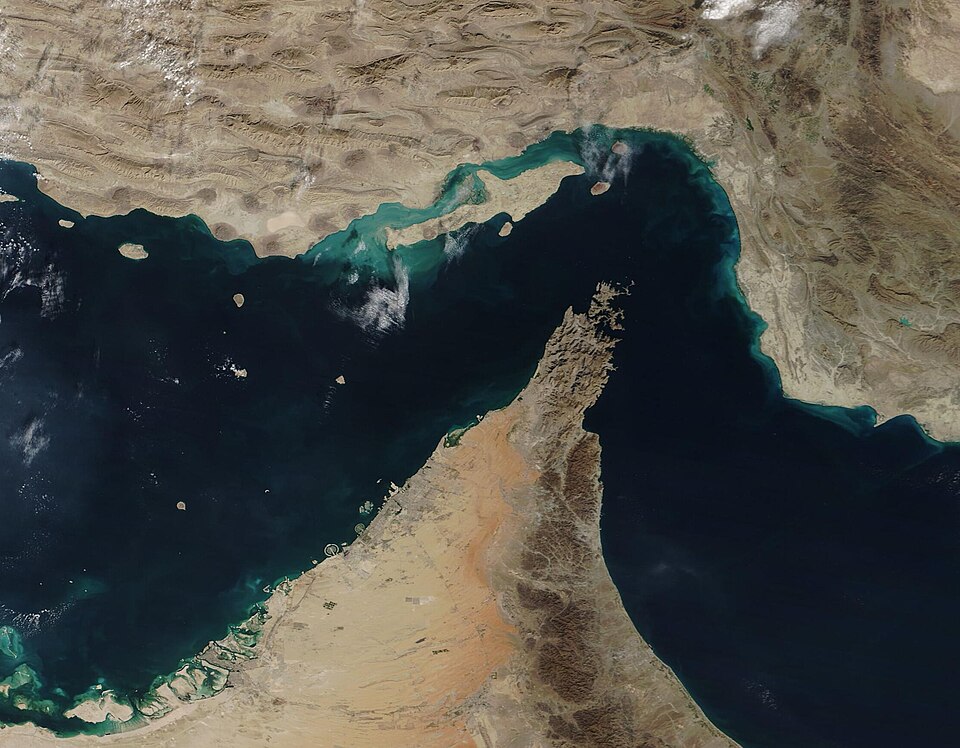
The United States launched a new round of military strikes against Iran on Tuesday after Iranian forces attacked three commercial ships moving through the Strait of Hormuz, according to U.S. Central Command.
CENTCOM announced the action in a post to X, stating: "U.S. Central Command forces have begun launching a series of powerful strikes against Iran to impose heavy costs for targeting and attacking commercial shipping crewed by innocent civilians in an international waterway." The statement continued: "The U.S. strikes are in response to Iranian attacks on three commercial vessels that were transiting the Strait of Hormuz. Iran's demonstrated aggression was unwarranted, dangerous, and a clear violation of the ceasefire."
According to CNBC, the strikes come after the U.S. and Iran reached a memorandum of understanding in June that was supposed to end the fighting and reopen the Strait of Hormuz. The ceasefire had held through previous skirmishes, but the latest Iranian attacks on commercial vessels earlier this week put it under serious strain.
Before the strikes were announced, the U.S. had already moved to revoke a sanctions waiver on Iranian oil on Tuesday. Oil futures rose sharply in response to that pressure, and analysts have noted that prolonged closure of the strait could again push oil prices dramatically higher and stoke inflation globally.
The Strait of Hormuz is one of the world's most critical oil shipping chokepoints. Iran had held the strait shut for months earlier this year, which sent oil prices rising and contributed to inflationary pressure around the world. Both countries agreed to stand down following a similar exchange of strikes last month, but the new attacks have raised fresh fears that the strait could close again.
The broader conflict between the U.S. and Iran began on Feb. 28, when the U.S. and Israel launched strikes on Iran that killed Ayatollah Ali Khamenei, according to CNBC. President Donald Trump has said the goal of the war is to prevent Iran from obtaining a nuclear weapon, which is also one of the issues being negotiated under the June memorandum of understanding.
Trump was in Ankara, Turkey, for the NATO summit when the strikes were announced, meeting with leaders of the transatlantic alliance. Turkey shares a border with Iran, making the location of the summit notable as tensions in the region flare again.
Negotiations to end the conflict are still described as ongoing. Whether the latest round of U.S. strikes will derail those talks or how Iran will respond remained unclear as of Tuesday.