People with denser, higher-quality chest and back muscles had a 31% lower chance of having a heart attack, according to a study published in Radiology on June 30. Those same individuals were also 39% less likely to die within 10 years of their scan.
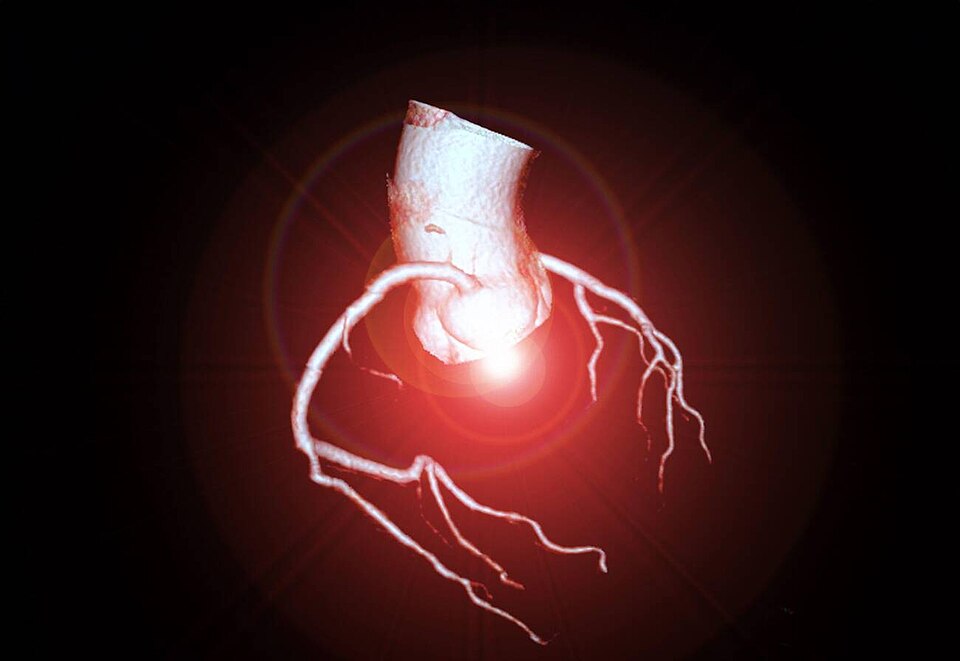
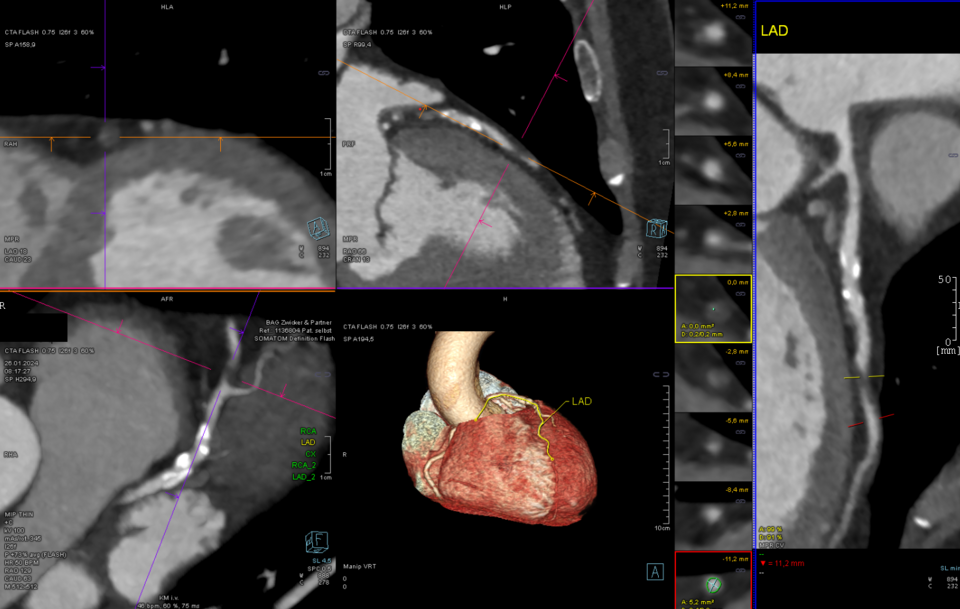
The research used artificial intelligence to examine routine coronary computed tomography angiography scans, known as CCTA scans, from 1,722 individuals who were experiencing chest pain. The participants had an average age of 57. Around 350,000 people in the UK receive CCTA scans each year to check for narrowing or blockages in the coronary arteries.
The AI examined upper-body muscles, organs, bones, and fat visible in each scan. A key measurement was muscle attenuation, which refers to how bright or dark the muscles appeared in the image. A brighter image indicated better muscle quality and lower fat content within the muscle tissue. Fat inside muscles has been linked to worse health outcomes. The AI completed each assessment in under one minute. A radiologist performing the same analysis manually would need several hours.
Participants were grouped based on their muscle appearance, and researchers then cross-referenced those groups with health records to track heart attacks and deaths. For every 10-point increase in the scan score indicating better muscle quality, the heart attack risk dropped by 31%.
Michelle Williams, PhD, Professor of Cardiovascular Imaging at the University of Edinburgh and one of the study authors, explained what the muscle data represents. "We think that [this] shows that the person has healthier muscles overall and is more likely to take part in exercise. This is evidence to support exercise being good for the heart," she told Healthline.
Williams also stressed that the quality of muscle mattered more than the amount. "Having good quality muscles means that they are being used and exercised. So having toned muscles is good for your heart. Being muscly alone didn't make a difference. Quality, not quantity, was important," she said.
The findings held even after researchers accounted for other factors known to raise cardiovascular risk. The study adds to existing evidence that strength training, also called resistance training, can improve cardiovascular health. The American Heart Association has previously noted that resistance training alone or combined with aerobic exercise can improve both traditional and nontraditional cardiovascular disease risk factors.