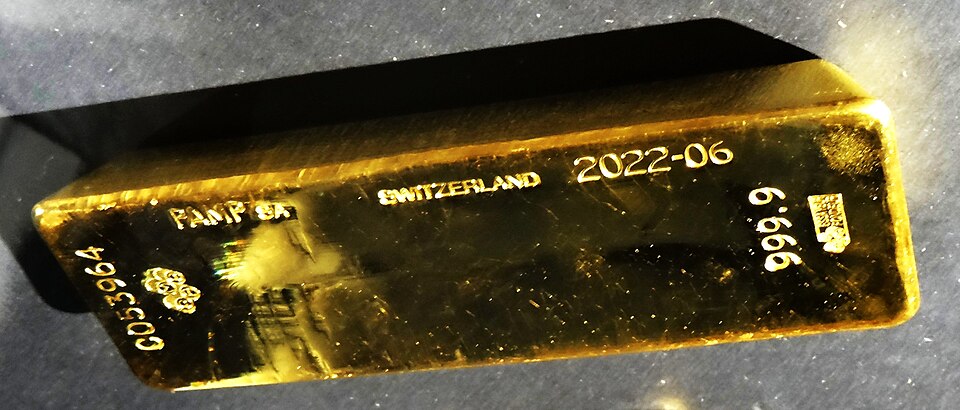
Gold held a decline on Wednesday as a second day of United States strikes against Iran drove energy prices higher and intensified concerns around inflation, according to Bloomberg.
The continuation of military action added a layer of uncertainty to global markets that traders were still trying to price in. Energy costs moved up in response to the strikes, raising the prospect that higher fuel prices could feed through into broader consumer inflation in the months ahead.
Gold is often viewed as a hedge against inflation, and rising inflation expectations would typically push investors toward the metal. But the picture this week has been more complicated. Despite the inflation concerns generated by the Iran strikes, gold held its decline rather than rallying, suggesting that other forces in the market were working against a price increase.
One factor that can weigh on gold even during periods of uncertainty is a stronger US dollar. When the dollar rises, gold becomes more expensive for buyers using other currencies, which can reduce demand and put downward pressure on prices. Rising interest rate expectations can have a similar effect, making yield-bearing assets more attractive relative to gold, which pays no interest or dividend.
The strikes against Iran also raised concerns about broader regional stability in the Middle East, a major oil-producing area. Energy markets are particularly sensitive to conflict in the region because any disruption to supply routes or production facilities can quickly affect global oil and gas prices. Higher energy costs ripple through the broader economy, raising the cost of transportation, manufacturing, and heating, which in turn adds to inflationary pressure.
For consumers, the connection between military conflict in the Middle East and prices at the gas pump is a familiar one. If the strikes continue or escalate, analysts expect energy prices to remain elevated, which could complicate the Federal Reserve's efforts to keep inflation under control.
The situation remains fluid. The strikes represent a significant escalation in tensions between the United States and Iran, and markets will be watching closely for any signs of further military action, diplomatic response, or disruption to energy infrastructure in the region. Each development has the potential to move both energy and precious metals markets in the days ahead.
Gold traders will also be watching upcoming US inflation data closely. If the energy price increases from this week show up in consumer price index readings in the coming months, the calculus for gold could shift, even if the metal has so far failed to benefit from the current round of uncertainty.