A wild rat in New Mexico has tested positive for plague, health officials announced, according to CBS News. The infected animal was discovered in Bernalillo County, and officials moved quickly to alert residents in the area about the risk.
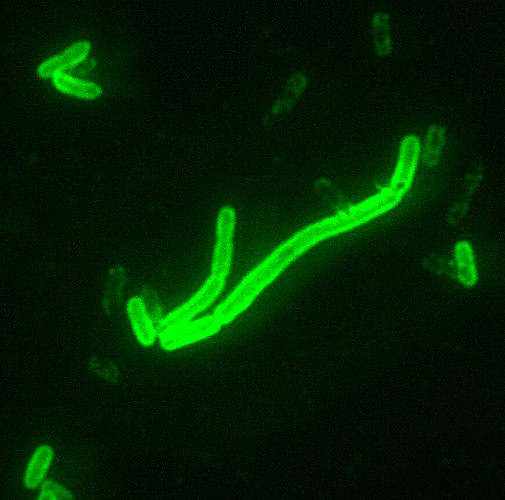
Plague is a bacterial disease caused by Yersinia pestis and is most commonly spread to humans through the bites of infected fleas that have fed on infected rodents. It can also spread through direct contact with infected animals. While plague is often associated with medieval history, it remains present in the American Southwest and cases are reported in the United States each year.
Health officials warned residents to avoid contact with wild rodents, including squirrels, prairie dogs, and rats. They also advised people to keep pet food stored in ways that do not attract wild animals, and to treat pets that go outdoors with flea prevention products. Pets, particularly cats, can contract plague and potentially transmit it to their owners.
New Mexico is one of several western states where plague occurs naturally in wildlife populations. The bacteria circulate among rodent colonies and can spread rapidly through those populations. When large numbers of rodents die from plague, infected fleas may seek out other hosts, including humans and domestic animals, which increases the risk of human exposure.
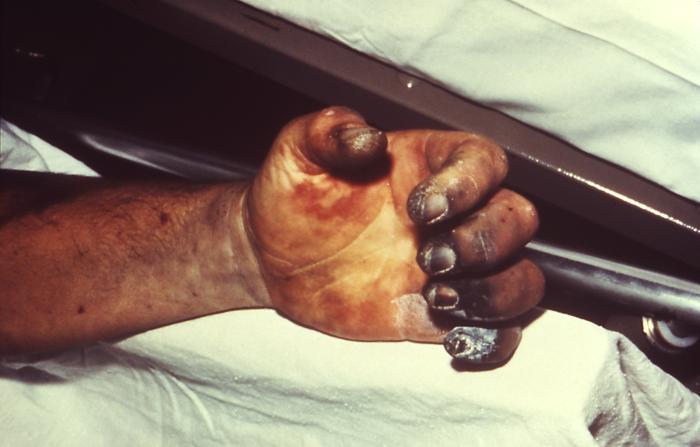
There are three forms of plague in humans: bubonic, septicemic, and pneumonic. Bubonic plague, the most common form, causes swollen and painful lymph nodes called buboes. All three forms can be treated effectively with antibiotics if caught early. Untreated plague can be fatal.
Officials did not report any human cases connected to the Bernalillo County rat. Residents with symptoms including sudden fever, chills, muscle aches, or swollen lymph nodes were urged to seek medical attention immediately and to inform their doctor of any potential contact with wild rodents or their fleas.
The New Mexico Department of Health was continuing to monitor the situation as of the announcement.