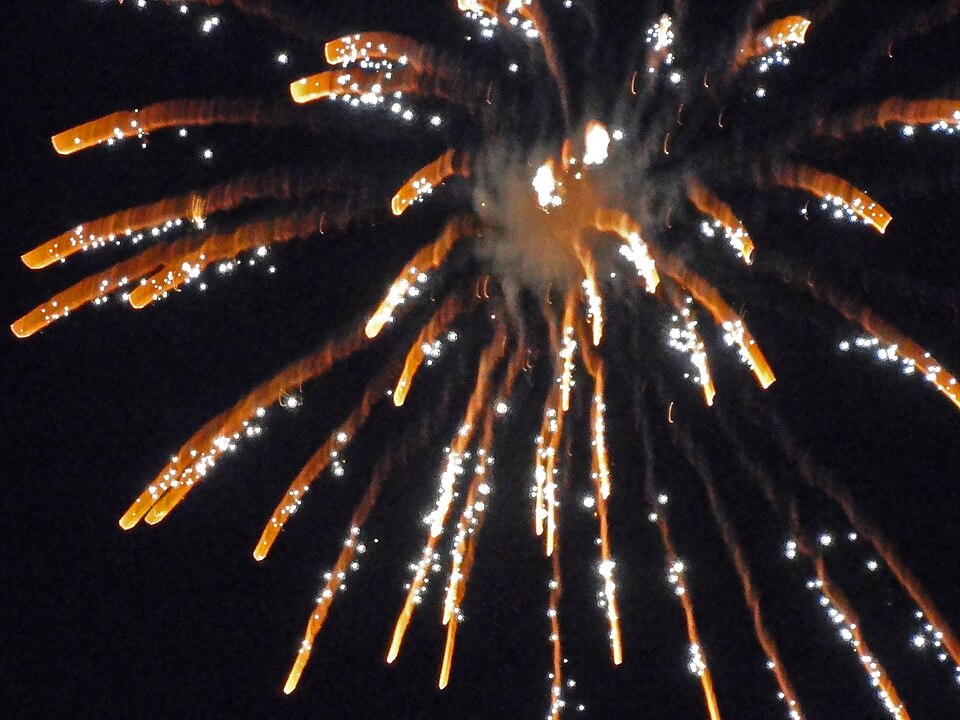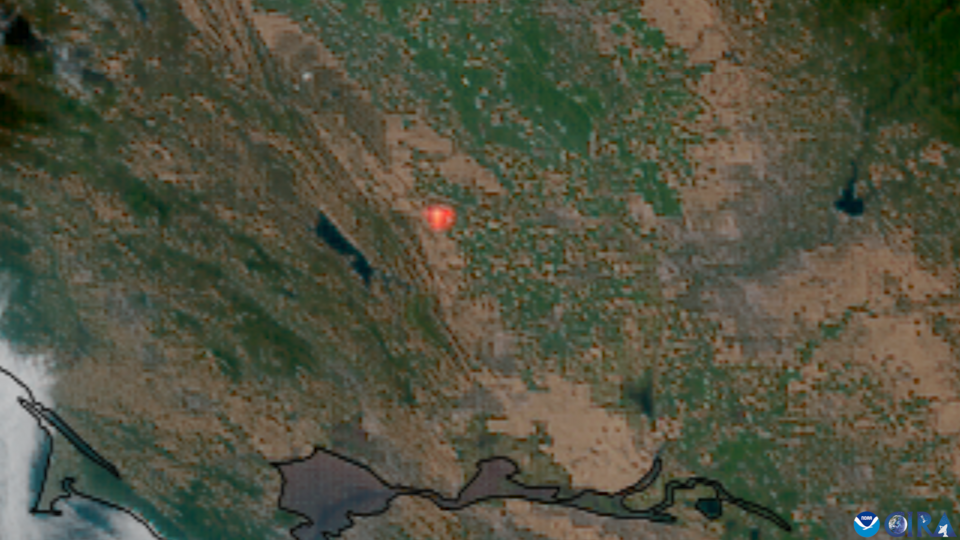
A researcher writing in the British Medical Journal is calling for a complete ban on fireworks, arguing the displays pose both a public health and a planetary health risk. The argument follows a wave of wildfires across France in early summer 2026, a period also marked by severe heatwaves across the continent.
According to a rapid response published in the BMJ, several French local authorities had already canceled their traditional Bastille Day fireworks displays by early July, citing wildfire risk. The author, identified as N. Faure, called those last-minute decisions commendable but argued they did not go far enough.
The piece states that fireworks are noisy, release fine particulate matter into the atmosphere, and can release microplastics into ecosystems. The author frames the issue as both a public health problem and a broader planetary health concern, not simply an environmental one tied to a single fire season.
The argument is grounded in the climate crisis. Faure writes that the severity of the climate situation means there is no longer a justification for recreational carbon dioxide emissions. The piece further warns that fireworks could make conditions worse if they were to ignite new fires during periods of extreme heat and drought.
The author does not limit the call to France. The piece explicitly states that policymakers everywhere in the world should ban fireworks, whether used to mark a national event or any other occasion. Faure describes fireworks as among the non-essential activities that are easiest to give up, and argues that cutting emissions must begin with exactly those kinds of choices.
The rapid response also pushes back against what it characterizes as a reactive approach to climate disasters. Faure writes that society cannot simply respond when disasters strike or resign itself to trying to adapt to heatwaves and extreme weather. The piece frames a fireworks ban as a simple, concrete first step toward reducing emissions rather than only managing their consequences.
Faure disclosed that they were a member of the Alliance Santé Planétaire in 2022 and 2023, and stated no artificial intelligence was used in preparing the submission. The rapid response was published in the BMJ in July 2026, in connection with coverage of the European heatwave and the fires burning across France.
The call comes as Bastille Day, celebrated on July 14, traditionally features large public fireworks displays across France. Whether any national-level policy action will follow the local cancellations already recorded this summer remains to be seen.