Denton County has reported the first human case of West Nile virus in North Texas in 2026, according to the Dallas News. The confirmation signals the start of the region's annual mosquito season disease risk and puts public health officials on alert.
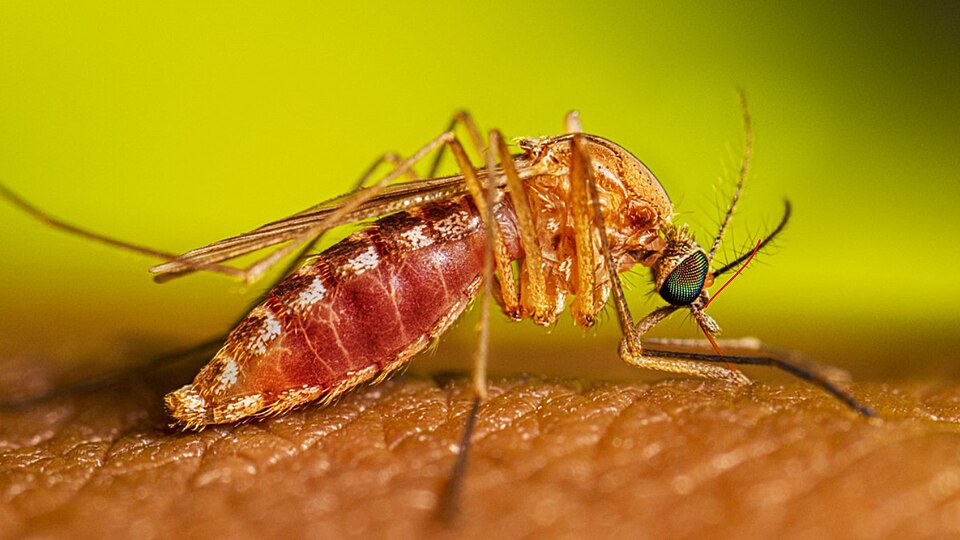
West Nile virus is transmitted to humans through the bite of an infected mosquito. The virus does not spread from person to person through casual contact. Most people infected with West Nile do not develop symptoms, but about one in five will experience fever, headache, body aches, joint pain, vomiting, diarrhea, or a rash. A small percentage of people develop a serious neurological illness.
North Texas is no stranger to West Nile. The Dallas-Fort Worth area has historically been one of the harder-hit regions in the country during peak mosquito season, which typically runs through the summer and into early fall. Cases in humans often follow detections in mosquito pools or dead birds, which health departments use as early warning indicators.
Denton County health officials have not released details about the patient's age, condition, or how the exposure occurred. Residents in the area are generally advised to use EPA-registered insect repellent, wear long sleeves and pants during peak mosquito hours around dawn and dusk, and eliminate standing water around their homes where mosquitoes can breed.
The detection of the first human case typically prompts local mosquito control programs to ramp up surveillance and spraying efforts. Whether additional cases follow will depend in part on weather conditions, mosquito populations, and how widely residents take precautions in the coming weeks.