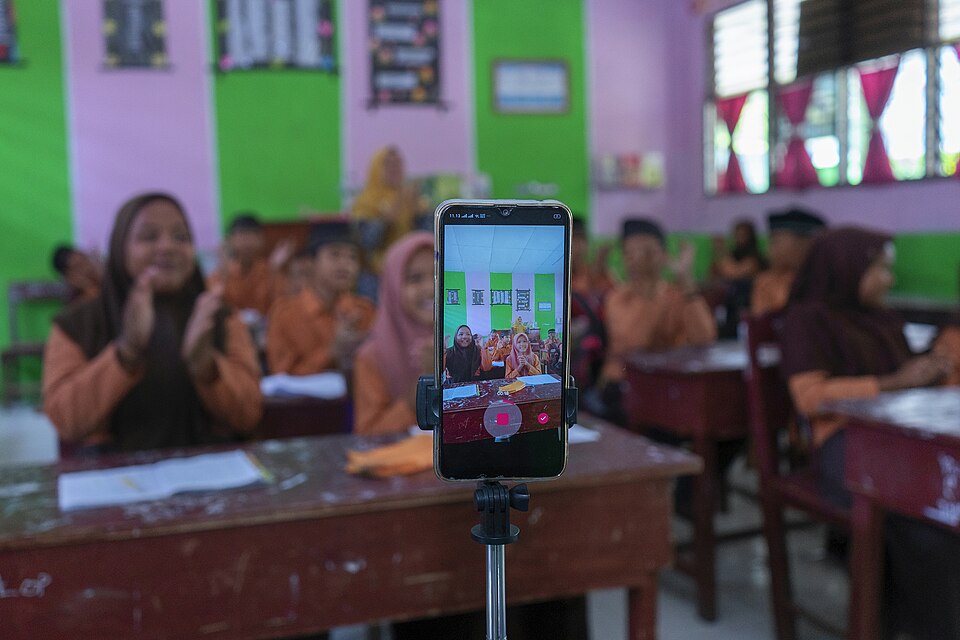
Banning smartphones in schools gives students more time in their day, but a new study found it does not improve their mental health. Researchers found no measurable reduction in anxiety or depression among students at schools that restricted phone use.
According to PsyPost, the study examined the effects of school smartphone bans and found that while students did report having more free time, that extra time did not translate into better emotional or psychological outcomes. The findings raise questions about what policymakers and school administrators hope to accomplish when they implement phone restrictions.
The push to ban phones in schools has grown significantly in recent years. Advocates argue that smartphones are a major driver of the youth mental health crisis, pointing to the rise in anxiety, depression, and social comparison that has coincided with widespread smartphone adoption among teenagers. Several countries and a growing number of U.S. states and districts have moved to restrict or outright ban phone use during the school day.
But this study suggests the relationship between phone access and mental health may be more complicated than simple cause and effect. Removing the phone during school hours may not be enough to address the deeper habits and patterns that contribute to poor mental health in young people.
Researchers did not argue that smartphone bans are harmful, only that they appear insufficient on their own as a mental health intervention. The study adds to a growing body of research that complicates straightforward conclusions about screen time and student wellbeing.
The findings were reported by PsyPost on July 13, 2026. No follow-up studies or policy responses had been announced at the time of publication.