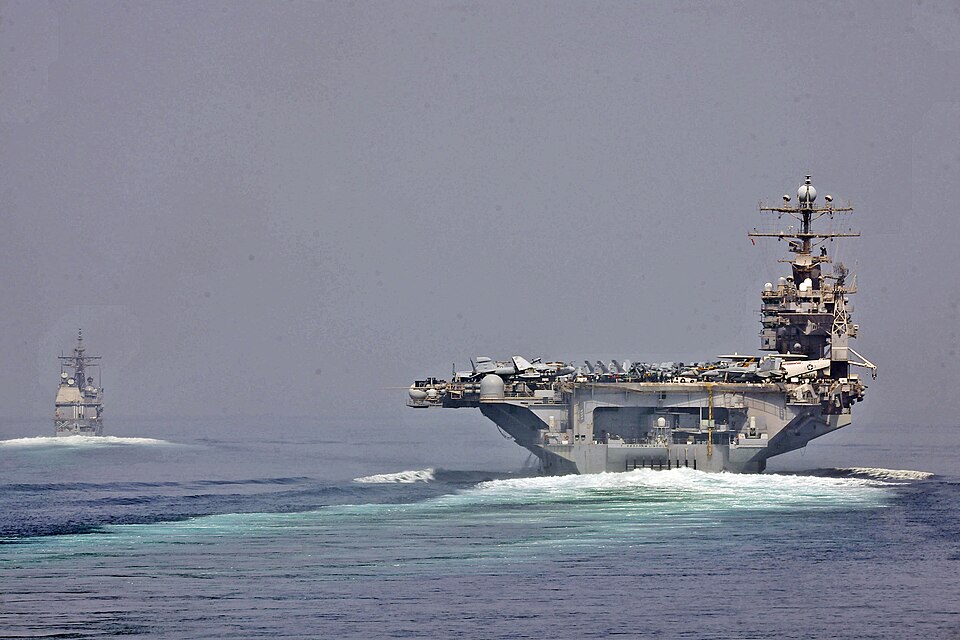
For a third straight weekend, the United States and Iran exchanged military strikes, with fighting stretching into early Monday morning and a fragile ceasefire now widely described as finished.
The latest escalation began on July 6, when Iran's Islamic Revolutionary Guard Corps struck three commercial vessels, including a Qatari liquefied natural gas tanker, off Oman, according to a report by Al Jazeera. The US carried out retaliatory strikes on Iranian military targets the following day. Tehran responded with missile and drone attacks on military bases across the Gulf where US forces are deployed.
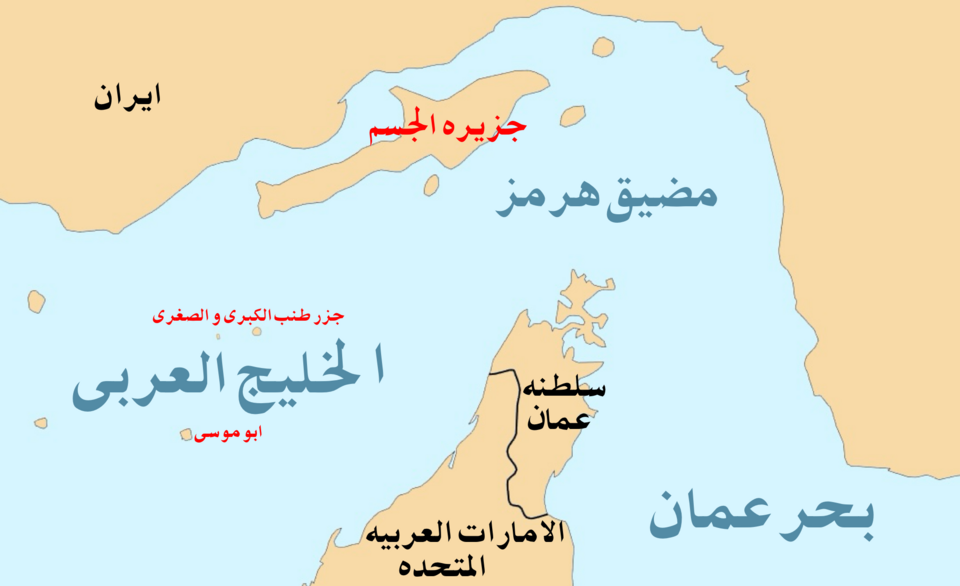
By Wednesday, President Donald Trump announced the April ceasefire was over. The IRGC then shut down the Strait of Hormuz, saying the US was interfering in the waterway's management by facilitating alternative transit routes. Iran's Supreme Leader Mojtaba Khamenei responded to Trump's announcement by saying, "Revenge is the will of the nation."
The US Central Command announced it has degraded Iran's capacity to attack international shipping in the Strait after hitting several Iranian targets over the weekend, NPR reported. Iran said one person was killed in the US strikes and that an agricultural water pumping station in central Iran was hit, killing a guard. Iran has also attacked Bahrain, Kuwait, Oman, Jordan and Qatar, and has conducted additional attacks on ships in the Strait of Hormuz.
The current round of fighting differs from the earlier phase of the conflict in notable ways. In the first round of US attacks on Iran that began on February 28, the US and Israel conducted a broad, sustained air campaign across Iranian cities. Those attacks killed Supreme Leader Ali Khamenei in Tehran on the first day of that campaign. The latest US strikes are largely concentrated around the Strait of Hormuz. Iranian counterattacks have focused on Gulf military bases used by US soldiers, though debris from intercepted missiles and drones has fallen in other areas, causing injuries.
Analysts told Al Jazeera that the conflict is shifting from tit-for-tat exchanges toward sustained combat, though with limited areas of engagement. Diplomatic channels have not closed completely. Trump, in the same post announcing the ceasefire was over, noted that both sides would continue to hold talks. Qatar and Pakistan are working behind the scenes to contain the conflict. Iran says it remains in touch with mediators including Oman, Qatar and Pakistan.
Benchmark global oil prices jumped more than 4% when markets opened Monday. The economic effects of the fighting continue to spread beyond the region.
Congress also faces questions about the conflict this week. Some lawmakers are weighing whether Trump's administration must seek congressional authorization for the ongoing military campaign.