The United States and Iran exchanged strikes again on Sunday as Iran declared the Strait of Hormuz closed to shipping, a claim the US rejected. The conflict has now spread beyond the waterway itself, with Iranian forces launching attacks on American bases and allies across the wider region.
According to BBC News, Iran's Islamic Revolutionary Guard Corps launched attacks on a US base in Jordan and fired missiles and drones at the United Arab Emirates, Qatar, Kuwait, Oman, and Bahrain. Qatar had not been targeted since April. The UAE had not been struck since May.
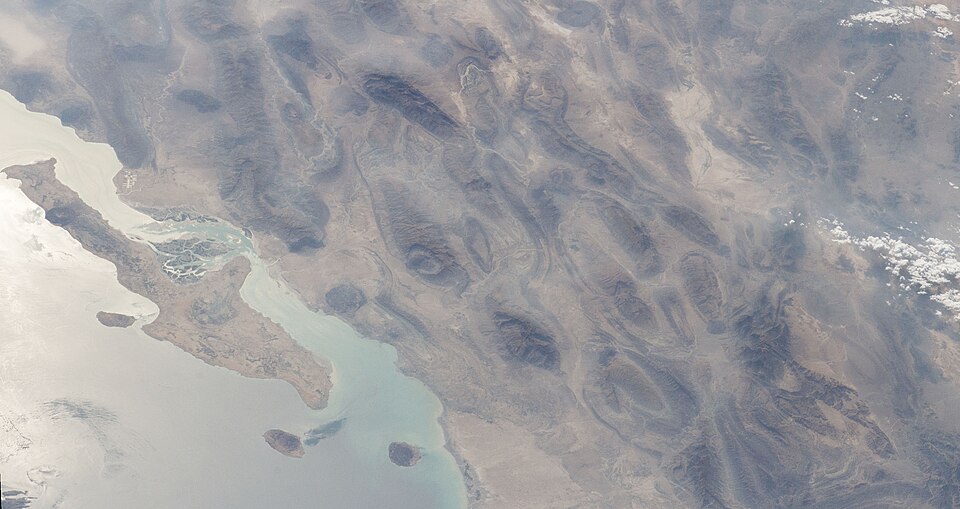
On Sunday evening, US Central Command announced another round of strikes against Iran, which it said started at 17:00 ET and would continue degrading Iran's ability to attack civilian mariners and commercial ships in the strait. Iranian state media reported that missiles struck Qeshm Island, a strategically important location in the Gulf and home to a major IRGC base.
The current round of fighting was set off earlier in the week when the IRGC fired a naval cruise missile at a Cyprus-flagged vessel, the MV GFS Galaxy, which it said was using an unapproved route. US Central Command said the ship was left unable to continue its journey due to engine room damage, and a crew member was reported missing. The UK's Maritime Trade Operations said the crew was forced to abandon ship and take to a lifeboat.
The US responded by striking more than 140 targets across Iran. Centcom wrote on the platform X that Iran had been given another opportunity to demonstrate adherence to a Memorandum of Understanding after earlier attacks on commercial vessels, but had again failed.
The fighting has threatened an interim ceasefire agreement signed last month, which aimed to reopen the strait and eventually end the conflict permanently. US President Donald Trump declared earlier in the week that Iranian attacks meant the ceasefire was over. Iran's Foreign Minister Abbas Araghchi accused the US of violating the deal. Trump said talks would still continue and that mediators were working to revive the process.
US media reported that Iran told American officials the earlier attacks on tankers were a mistake and blamed a rogue internal group. That claim has not been independently verified.
Oil markets reacted to the renewed fighting. CNBC reported that oil prices rose as the two sides fought for control of the waterway. The strait is one of the most critical chokepoints for global energy shipments. Reuters later reported prices settled lower on hopes for smoother shipping conditions.
Centcom has not yet commented publicly on the attack against the US base in Jordan.