Bitcoin and ethereum both posted sharp gains Wednesday morning following a softer-than-expected inflation report released the day before. The report showed the largest single-month decline in consumer prices since April 2020, according to Yahoo Finance.
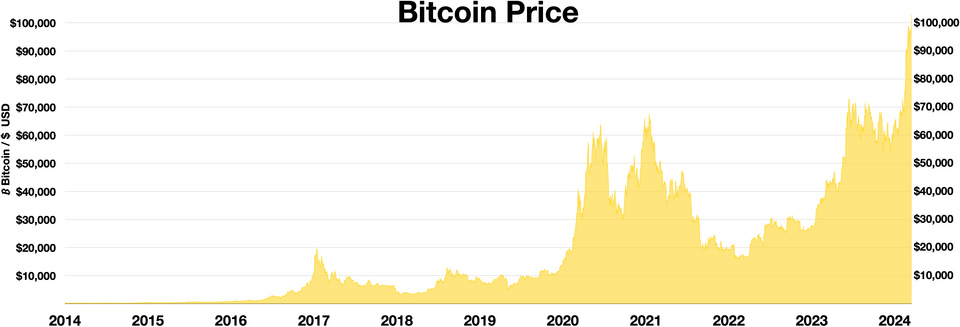
Bitcoin opened at $64,974.75 on Wednesday, July 15, 2026, up 4.4% from Tuesday's open. As of 8:07 a.m. ET, the price had eased slightly to $64,621.97. The opening price was bitcoin's highest since June 17.
Ethereum had an even stronger session to start the day. The cryptocurrency opened at $1,889.97, up 6.6% compared to Tuesday's opening price. As of 8:07 a.m. ET, ethereum had shifted to $1,881.39. That opening price was the highest level for ethereum since June 2.
Looking back further, the one-year picture for both cryptocurrencies remains steep. Bitcoin's Wednesday opening price was 45.8% lower than a year ago. Ethereum was down 37.3% compared to the same point last year. Bitcoin hit an all-time high of $126,198.07 on October 6, 2025. Ethereum's all-time high was $4,953.73 on August 24, 2025.
The inflation-driven rally comes with uncertainty. Energy prices eased in June as military tensions between the U.S. and Iran declined. But as of Wednesday, the U.S. military had struck Iranian targets for the fourth consecutive day. The question of how much staying power last month's inflation report can realistically have on crypto prices remains open for investors.
For those holding crypto, tax rules apply regardless of market conditions. Investors generally owe taxes when they sell cryptocurrency for more than they paid for it. The rule also applies when exchanging one digital asset for another. Converting bitcoin into ethereum, for example, is treated as a taxable event by the IRS if the value has changed.
Crypto taxes are not paid at the time of the transaction. Instead, they are reported on a tax return for the year in which the transaction took place. The amount owed depends on two main factors: how long the asset was held before selling, and the investor's overall taxable income and filing status. Assets held for less than a year are generally taxed at higher rates. Assets held longer typically face lower rates.