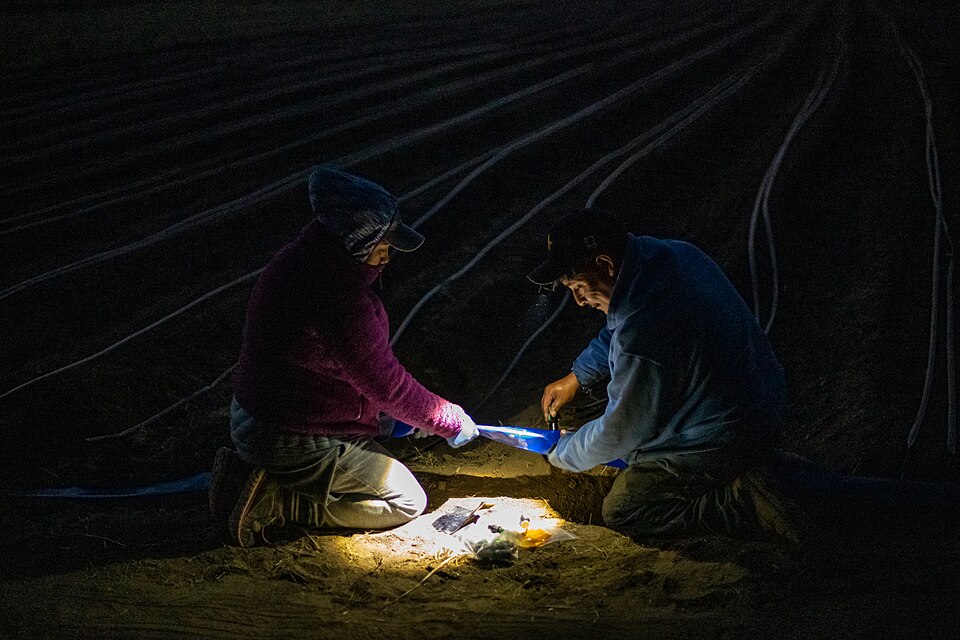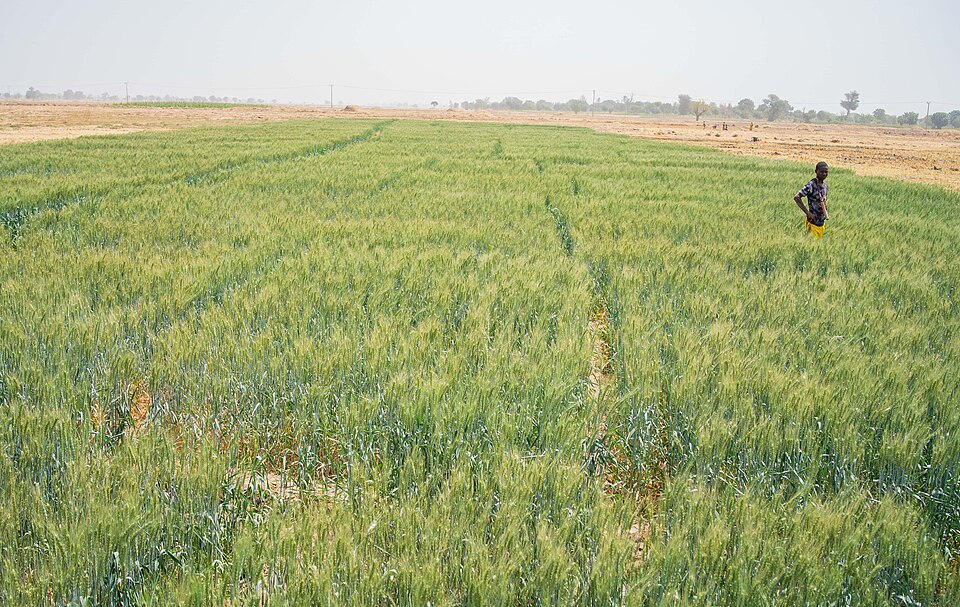
The people who plant and harvest much of the food Americans eat could soon lose access to health insurance under a new federal rule, according to the Buffalo News.
Agricultural workers have long faced gaps in health coverage. Many rely on Medicaid or employer-sponsored programs designed specifically for seasonal and migrant laborers. The proposed rule change would alter eligibility criteria in ways that health advocates say would push a large number of farmworkers off their current plans.
The Buffalo News reported that the rule has drawn sharp criticism from health advocates, labor groups, and some lawmakers who argue that farmworkers already face some of the worst health outcomes of any workforce in the country. They work in conditions that expose them to pesticides, extreme heat, physical strain, and limited sanitation, and they have historically had less access to medical care than workers in other industries.
Farmworkers are often classified in ways that make them ineligible for standard worker protections, and their immigration status can create additional complications when seeking coverage. The new rule, according to reporting, could interact with existing eligibility restrictions to remove a significant number of currently covered workers from the rolls.
Supporters of the rule change have not been prominently quoted in the available reporting, but such changes are often framed by proponents as efforts to reduce government spending or improve program integrity.
Health advocates counter that the costs of uninsured farmworkers ultimately fall on emergency rooms and public health systems. Preventive care and early treatment for conditions common among agricultural workers, including heat illness, respiratory disease, and musculoskeletal injuries, are far less expensive than emergency intervention.
The rule has not taken effect as of the reporting date, and it is unclear from available information what the formal comment period or implementation timeline looks like. Advocates are urging farmworkers and their supporters to engage with the process before any changes become final.