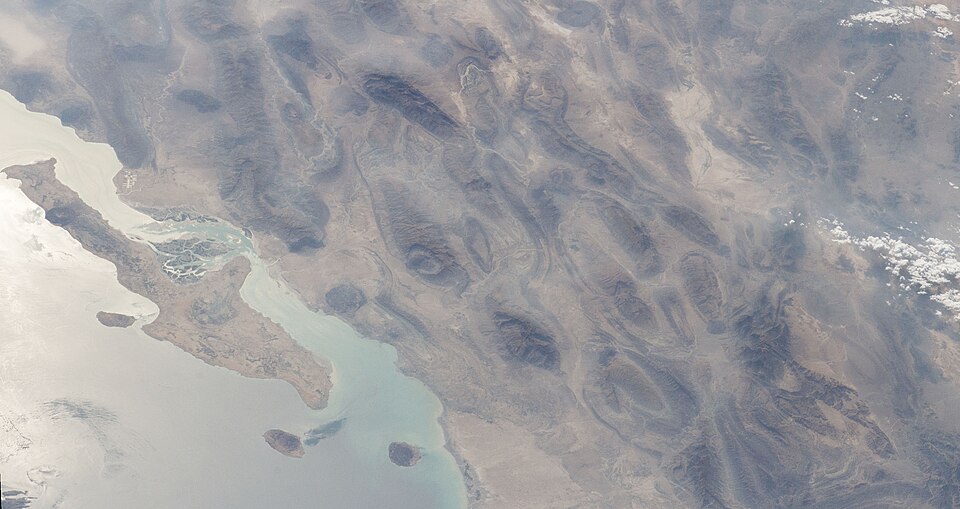
The United States military launched a fresh wave of strikes on Iran on Wednesday, following a seven-hour overnight operation, as Iran threatened to shut down additional oil and gas export routes across the region. The strikes came as fighting over control of the Strait of Hormuz escalated sharply, with Iranian missile and drone attacks reported in Kuwait, Bahrain, and Jordan.
U.S. Central Command said Wednesday morning's strikes targeted Iran's coastal defenses and cruise missile storage and launch sites on Greater Tunb Island. The operation used drones, air power, and naval forces. Centcom said the strikes "further degraded Iran's ability to attack commercial shipping in the Strait of Hormuz."
The overnight barrage wounded more than 260 people, an Iranian health official said Wednesday. A government spokesperson said at least 30 people had been killed in "recent days" by U.S. attacks.
On the blockade front, the U.S. military said two vessels had been intercepted in the first 17 hours since the blockade was reinstated. President Trump announced the renewal earlier this week. "We are reinstating the THE IRANIAN BLOCKADE, so named because it is only stopping Iran's ships or customers from entering or leaving," Trump posted on Truth Social Monday morning. "All other countries will have fair and open use of the Strait."
The first blockade ran from April 13 to June 18 and intercepted more than 140 vessels. The renewed blockade was put back in place after a dispute over the strait unraveled a memorandum of understanding the two countries had reached last month.
Iran's Revolutionary Guards said the strait would remain shut until the U.S. ended its "acts of aggression." The IRGC warned the U.S. that it should "expect the closure of other oil and gas export routes that serve the interests of the United States and its allies," without specifying which routes could be affected. Iran's state TV network also insisted Wednesday that the strait "remains closed to all vessels."
Shipping intelligence firm Kpler reported a "growing loss of confidence" among shippers in using the southern route through the strait near Oman's coast, despite Trump repeatedly urging vessels to use it. Kpler said 21 ships transited the strait on Tuesday, but all used northern shipping lanes close to Iran. The firm said "three additional attacks off Oman were verified, bringing the reported toll to 56 confirmed incidents and 17 seafarer fatalities." It added that while the strait remains passable, "the operating environment is becoming increasingly complex and unstable."
Oil prices have risen sharply as tanker traffic through the route has virtually stalled, according to BBC News.
On Tuesday, Trump vowed to escalate further if Iran did not return to talks. "I'll save the energy targets for last, but ultimately we'll hit energy targets," Trump said in an interview on Special Report with Bret Baier. He also threatened to strike bridges and power plants next week. A previous threat by Trump to bomb Iran's civilian infrastructure in April drew condemnation from UN human rights chief Volker Türk, who said at the time: "Under international law, deliberately attacking civilians and civilian infrastructure is a war crime."
Retired military officials and analysts told NPR that recent U.S. strikes have not done enough to reduce Iran's threat to commercial shipping. They said it could take weeks of more intensive bombing, and that the U.S. may also need to escort commercial vessels through the strait.