The newest nutrition trend on TikTok does not require an app, a scale, or a macro spreadsheet. It just asks people to look at their plate and count to three.
The trend is called the 3-color rule, and according to Healthline, it encourages people to include at least three different naturally colorful plant-based foods in every meal, even something as simple as a sandwich. The concept is also called eating the rainbow, and while the idea is not new, dietitians say this version of it has real nutritional backing behind it.
Michelle Routhenstein, a preventive cardiology dietitian at Entirely Nourished, told Healthline she approves of the trend specifically because of its simplicity. "I like the 3 color rule trend because it's simple and encourages people to add more variety to their meals instead of focusing on counting calories or tracking macros. If thinking about three natural colors gets someone to eat more fruits and vegetables, that's a positive step," she said.
The appeal of the rule is partly that it shifts focus away from restriction. Rather than cutting foods out, it asks people to add things in. Routhenstein explained how that addition works on a physical level. "Including [at least] three different naturally colored plant foods at meals can increase plant-based dietary diversity and intake of fiber, water, and bioactive compounds that support satiety and gut health," she said. "This increases meal volume and nutrient density, making it easier to maintain an appropriate calorie intake without strict calorie counting to support weight loss and long-term metabolic health."
Research supports the general approach. A 2022 review found that diets rich in colorful plant foods were associated with improvements in several obesity and heart disease-related risk factors. Eating a wider variety of fruits and vegetables appears to support healthy weight management, according to the Healthline report.
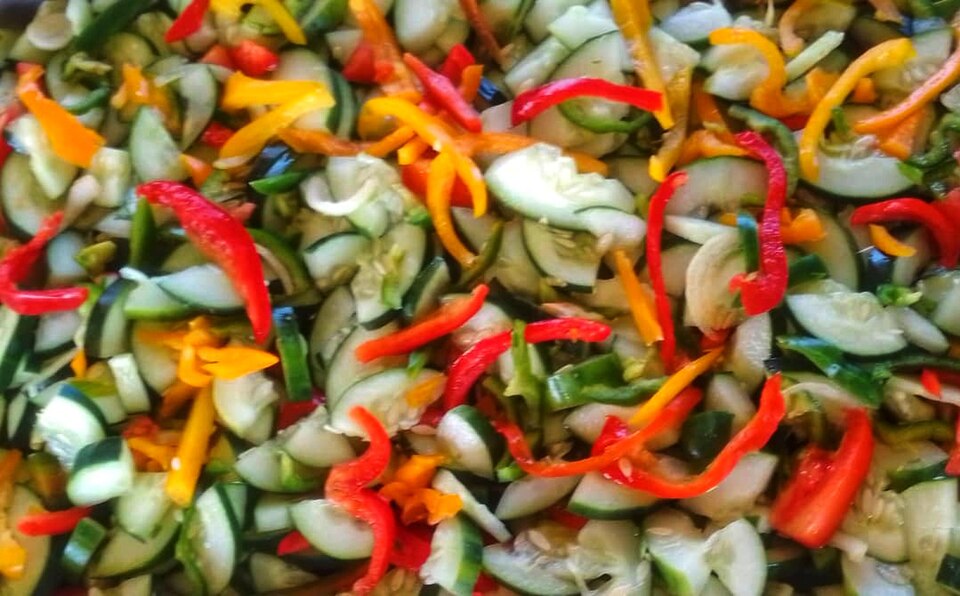
The science behind why color matters comes down to pigments. Different colors in plant foods represent different phytonutrients and vitamins. Red foods like tomatoes, strawberries, and red peppers are known for lycopene and vitamin C. Orange and yellow foods such as carrots, oranges, and squash tend to be high in beta-carotene and vitamin A. Green vegetables including broccoli, spinach, and green beans are associated with folate, vitamin K, and fiber. Blue and purple foods carry their own set of beneficial plant compounds.
Because different colored foods deliver different nutrients, eating a wider variety helps cover more nutritional ground without requiring detailed knowledge of which vitamin comes from which food. The color itself works as a rough guide. That built-in simplicity is part of what makes the trend practical for people who find detailed nutrition tracking overwhelming or unsustainable.
The rule does not require exotic ingredients. A lunch plate with spinach, sliced tomatoes, and shredded carrots would qualify. So would a grain bowl with roasted squash, purple cabbage, and steamed broccoli. The threshold of three colors is low enough that most people can meet it with foods they already buy.
Experts note that the benefits extend beyond weight. A broader range of colorful foods means a broader range of vitamins, minerals, and plant compounds that support overall health. The 3-color rule, in that sense, functions less as a weight loss strategy and more as a simple framework for building a more nutritionally varied diet over time.