A new blood test may be able to predict when a person with early Alzheimer's disease will begin showing outward symptoms, potentially giving patients and doctors a longer window to plan care and consider treatment options.
According to a roundup report by Baptist Health, the test works by detecting biological markers in the blood associated with Alzheimer's disease. Researchers believe these markers can signal changes happening in the brain years before a person experiences noticeable memory loss or cognitive decline.
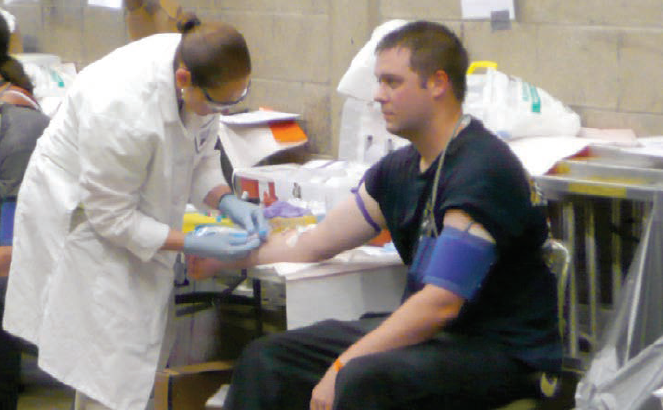
Early detection of Alzheimer's has been a major focus of dementia research for years. Currently, definitive diagnosis often relies on brain imaging or spinal fluid analysis, procedures that are expensive, invasive, or not widely available. A reliable blood test would be far easier to administer and could be incorporated into routine medical care much more simply.
Alzheimer's disease affects an estimated 6.7 million Americans age 65 and older, according to the Alzheimer's Association. The disease progresses through stages, beginning with changes in the brain that may occur a decade or more before symptoms appear. Identifying patients during that earlier phase is considered critical to the success of newer treatments that aim to slow the disease's progression.
The development of blood-based biomarker tests for Alzheimer's has accelerated in recent years, with several tests already in use or under review. The test described in the Baptist Health report adds to a growing body of research suggesting that a simple blood draw could one day become a standard part of screening for the disease.
Researchers cautioned that additional study is needed before the test could be recommended for widespread clinical use.