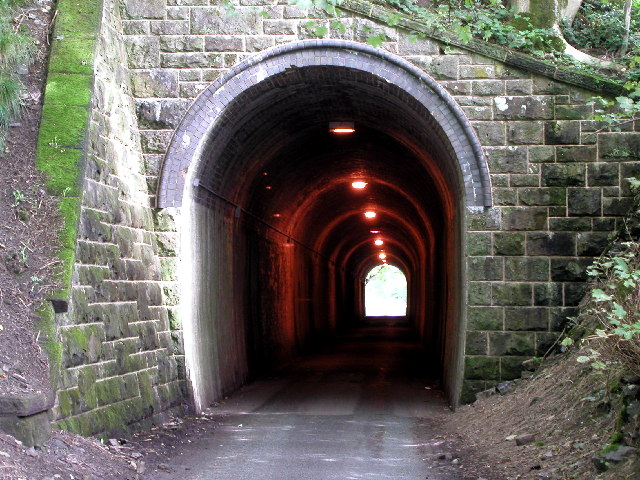
Cartels are continuing to move people and drugs through a sprawling network of storm drain tunnels beneath El Paso, Texas, even as overall border crossings have reached historic lows under the Trump administration.
U.S. Customs and Border Protection's elite Confined Space Entry Team gave Fox News an exclusive look inside the narrow tunnels, which stretch for miles across the region. There are 32 entry points into the tunnels from the Rio Grande and hundreds of exit points throughout the city. CBP said the layout makes patrolling the tunnels a game of whack-a-mole because smugglers can emerge from storm drains at any location across the city.
The physical conditions make the work especially dangerous. Heat and low oxygen levels inside the tunnels wear agents down before they ever encounter a suspect. One team member described the challenge plainly.
"You're already exhausted, and now, you have to potentially fight with someone underground," he told Fox News.
The isolation adds another layer of risk. "You can't call for backup; you can't call for help. It's just you and your team versus everybody else," he said.
Despite those dangers, agents have seen a sharp drop in the number of people moving through the tunnels. Where groups of 40 to 60 migrants regularly traveled the routes before, agents now typically encounter two or three at a time. That shift reflects the broader drop in illegal crossings under the current administration.
Still, the tunnels remain in use. Cartels have responded to increased enforcement by raising prices dramatically. Migrants are now paying $20,000 to $30,000 per person to be guided through the underground routes, according to reports cited by Fox News. Cartels have also turned to social media to recruit and train guides to navigate the passageways.
El Paso's summer temperatures regularly exceed 100 degrees during the day, which makes the underground heat even more intense. CBP agents on the Confined Space Entry Team undergo specialized training that includes monitoring oxygen levels and navigating the tunnel system.
The Fox News report came the same week the Department of Homeland Security announced that June marked 14 consecutive months of zero releases at the border. The agency said daily apprehensions are down 94 percent from levels during the Biden administration. CBP also announced it had broken staffing records this spring, reaching 21,471 agents, the most in the agency's 102-year history.
The tunnel network presents a specific enforcement challenge that aerial surveillance and wall construction do not address. CBP uses technology to detect underground movement and strategically positions teams near known entry points, but the hundreds of potential exit points throughout El Paso mean agents cannot cover every location at once.