India successfully launched its first privately built orbital rocket on Saturday, placing the country alongside the United States and a small number of others that have achieved orbital launch capability through private enterprise, according to Al Jazeera.
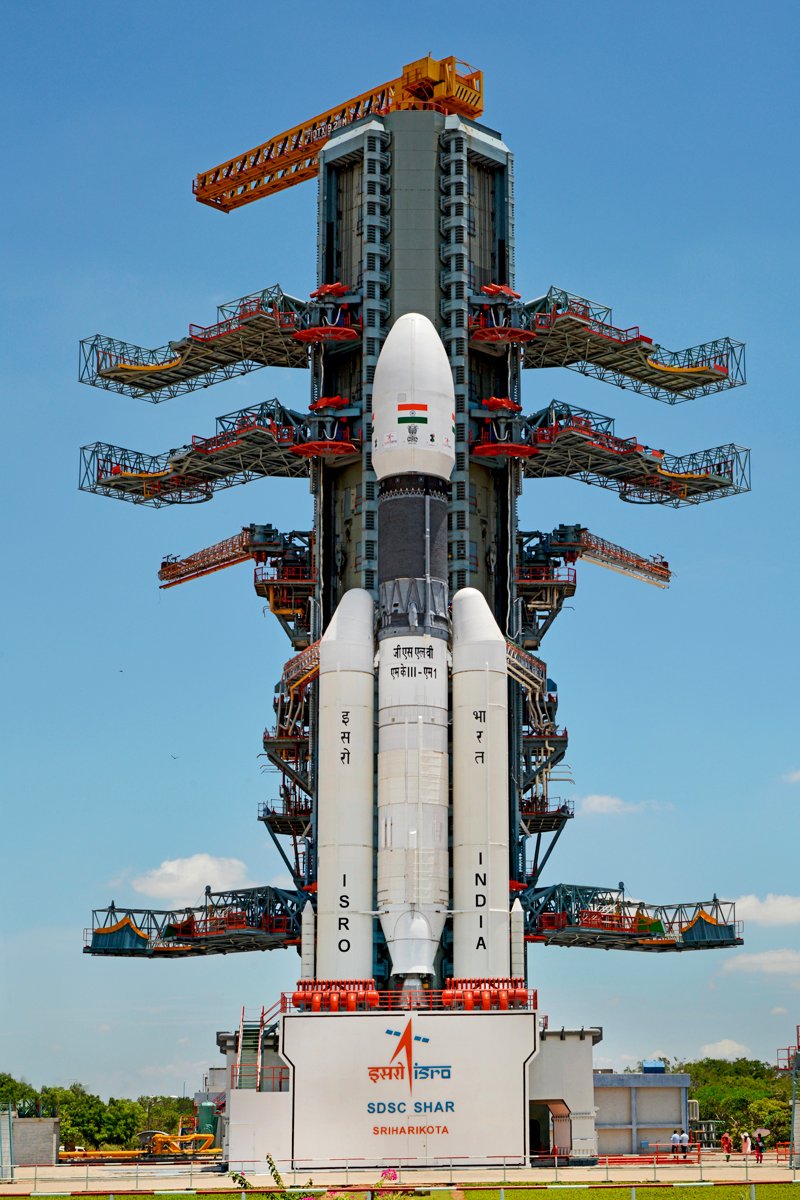
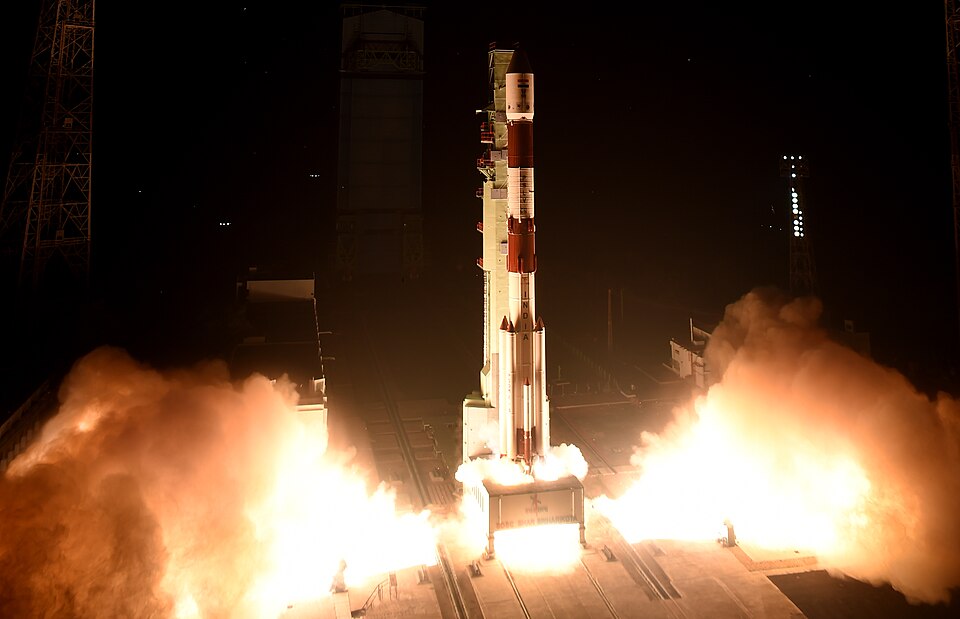
The Vikram-1 rocket lifted off from the Satish Dhawan Space Centre in Sriharikota. The three-stage, 22-meter rocket deployed customer payloads into a 450-kilometer low-Earth orbit. It can carry a payload of up to 350 kilograms and is equipped with robotic arms designed to clear space debris. The rocket also carried experimental equipment, a lab-grown diamond, and a miniature 18-carat gold sculpture commemorating India's national space programme.
Skyroot Aerospace, the company that built and launched the rocket, was founded in 2018. It became the first space-sector company in India to reach a one-billion-dollar valuation earlier this year and has attracted backing from global investors following the liberalization of India's space sector. The company celebrated the mission with a post on X that read: "Hello space, we have arrived!"
The launch validated the rocket's propulsion, avionics, telemetry, guidance, navigation, and control systems during flight, according to Skyroot. The Vikram-1 builds on the company's earlier Vikram-S mission in 2022, a suborbital flight that reached space but did not place any payloads into orbit. Skyroot said it plans additional test flights before beginning routine commercial missions.
Prime Minister Narendra Modi hailed the achievement, saying it will "encourage countless youngsters to dream bigger and innovate fearlessly."
India's national space programme has built momentum steadily over recent years. In 2017, it launched 104 satellites on a single rocket, setting a world record at the time. In 2023, India became the fourth country to complete a lunar landing when the Chandrayaan-3 spacecraft touched down near the moon's south pole. Saturday's launch marks another step in the country's push to become a significant player in the global commercial space economy.