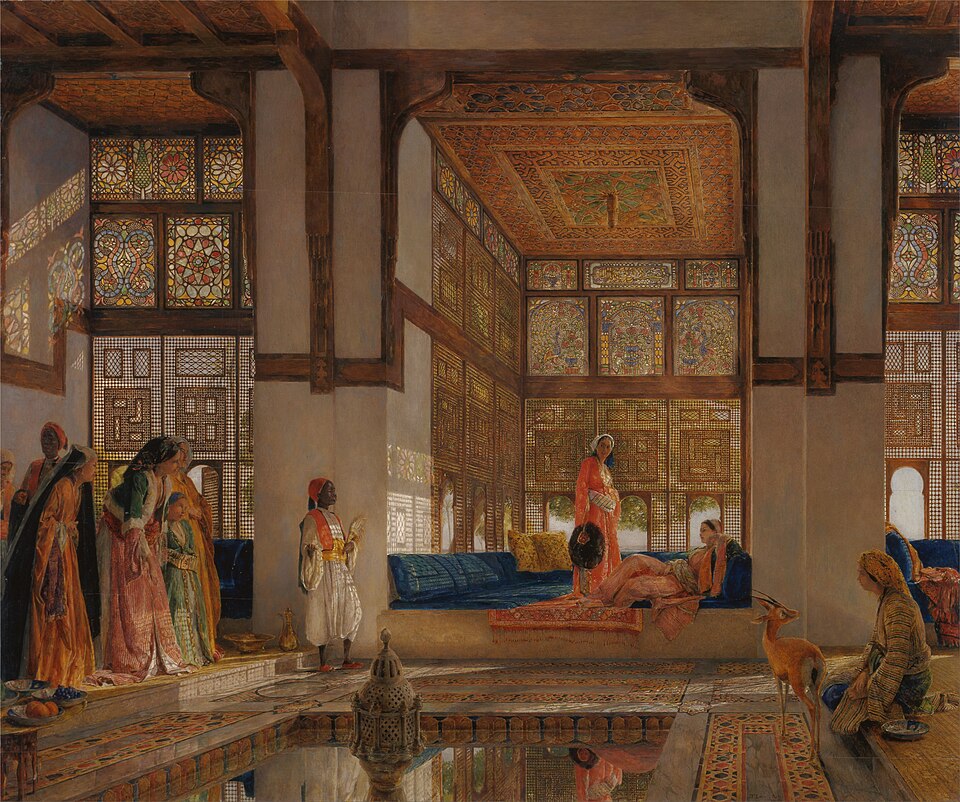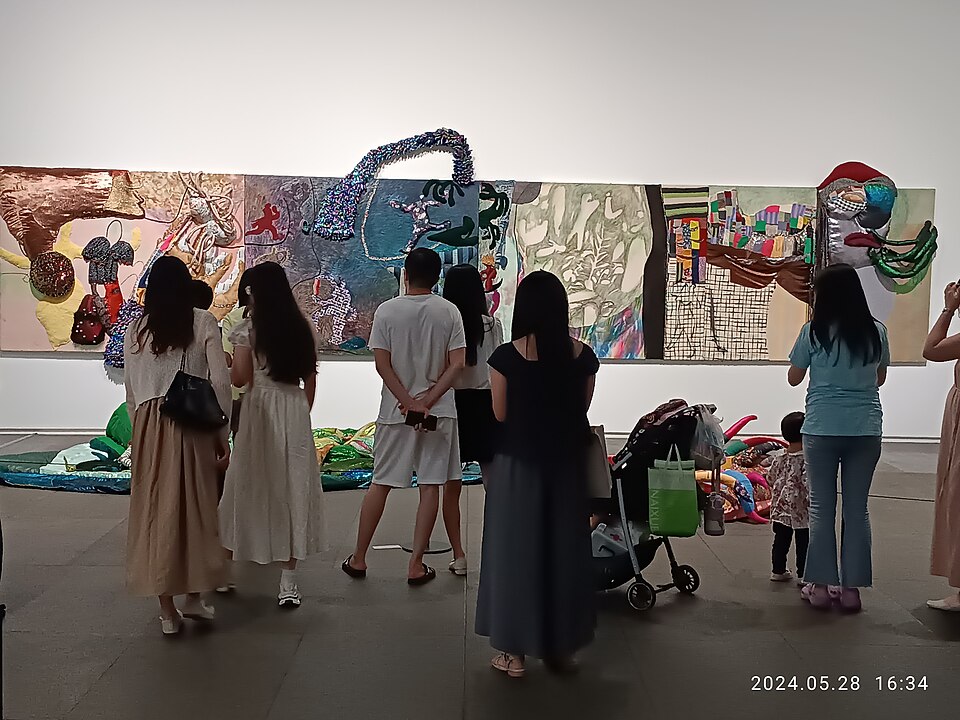
Attending a museum, movie, or theater performance may do more than entertain. A study published July 14 in the Journal of Epidemiology and Community Health found that older adults who regularly take part in cultural activities tend to have bodies that function significantly younger than those who stay home.
Researchers at the Institute of Science, Tokyo, analyzed data from people 50 and older living in England, drawing from the English Longitudinal Study of Ageing. According to a report by Healthline, participants who attended cultural events at least once every few months had an average physiological age of about 66.9 years. Those who engaged less often averaged 69.9 years, a gap of roughly three years. Their actual ages were much closer together, at 68.7 versus 70.3 years, meaning the more engaged group's bodies were functioning younger than their birth dates would suggest.
Physiological age, also called biological age, measures how well the body is functioning rather than simply counting years since birth. The researchers scored cultural engagement based on how often participants went to the cinema, museums or art galleries, and the theater, concerts, or the opera.
The study points to three main reasons why cultural participation might slow the aging process. First, cultural activities often bring people together, strengthening social ties. A 2019 British study cited in the research found that people who regularly engage in these activities face a lower risk of loneliness over time. Second, the study's authors note that people who engage in cultural events are more likely to eat well and be physically active. Third, cultural engagement can help reduce psychological distress and support better overall mental well-being. The researchers report that lower stress and distress levels are directly tied to slower physiological aging.
The connection between social isolation and accelerated aging has been documented in other research. What this study adds is a specific link to a type of leisure activity that is accessible to many older adults and combines social, cognitive, and emotional stimulation in a single outing.
The study's authors are careful about the limits of their findings. They caution that the results do not prove cause and effect and said further research is needed. They also acknowledge the possibility of reverse causation, meaning people who are already healthier and aging more slowly may simply have more energy and ability to participate in cultural activities in the first place. Someone with chronic illness or mobility limitations may be less likely to attend a concert or museum regardless of any desire to do so, and that underlying health gap could explain part of the difference seen in the data.
The researchers used data spanning multiple years and adjusted for actual age differences between groups, which helps account for some of those variables. Still, the study design relies on observational data, which cannot rule out other explanations. The authors called for additional studies to better understand the direction of the relationship and to test whether increasing cultural engagement in older populations produces measurable changes in biological aging markers over time.
The findings add to a growing body of research on the health effects of arts participation. Prior studies have linked cultural engagement to lower rates of depression, reduced cognitive decline, and longer life expectancy. This study extends that line of inquiry by connecting regular attendance at cultural events directly to a biological measure of how fast or slow the body is aging, rather than relying solely on self-reported health or disease diagnosis.
For adults in their 50s, 60s, and beyond, the findings suggest that a trip to a gallery or an evening at the theater may carry benefits that extend well beyond the experience itself.