Cells from a mother's body likely crossed into her child's brain before birth, and they may stay there for a lifetime. That is the finding of a new study that gives some of the clearest evidence yet of a biological connection between mother and child that persists long after birth.
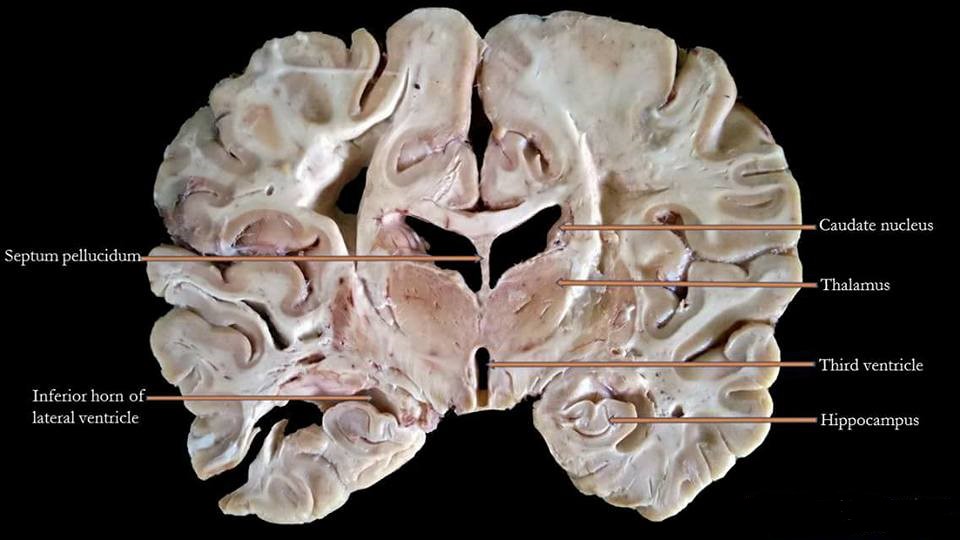
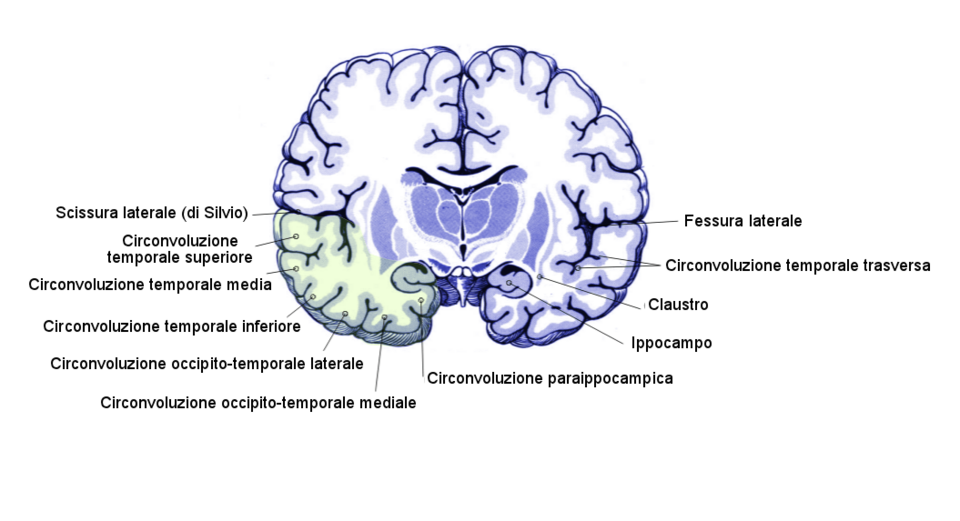
Researchers analyzed brain tissue removed from dozens of children who had surgery to treat severe epilepsy. Out of 37 mother-child pairs studied, 26 children, or 70 percent, had their mother's cells present in their brains. The cells were not clustered in one spot. They were spread across multiple regions, including the frontal, temporal and parietal lobes on the brain's outer surface, as well as the hippocampus, which sits deep inside the brain.
The study was led by Sami Kanaan, a staff scientist at the Fred Hutchinson Cancer Center in Seattle. His team used a tool called quantitative PCR to identify and count maternal cells hiding among millions of other cells in the children's brain tissue. The patients ranged in age from 28 days to 19 years at the time of their surgery. Their mothers provided DNA samples through cheek swabs so researchers could track which cells came from outside the child's own body.
The average concentration was about 2.2 maternal cells per 100,000 cells in each sample. But one sample taken from the hippocampus stood out sharply, containing 459 maternal cells per 100,000. Eleven children showed no evidence of maternal DNA at all.
The findings were posted to the preprint database bioRxiv on June 10. They have not yet been peer-reviewed.
This phenomenon is part of a broader field of research involving what scientists call microchimerism, the presence of cells in one person's body that carry another person's DNA. Scientists already knew that mothers can carry cells with their children's DNA. This study adds weight to the idea that the exchange goes both ways, with maternal cells also making their way into a child's body during pregnancy and surviving there.
Amy Boddy, co-director of the Microchimerism, Human Health and Evolution Project at the University of California, Santa Barbara, was not involved in the study. She told Live Science that past research into maternal microchimerism mostly found evidence in infancy and in blood samples rather than in tissue. "What's exciting here is that it's tissue, not blood; it's real human data, not an animal model; and the methods are cutting-edge," she said.
Boddy also noted that the 70 percent figure is probably an underestimate. Detection methods have limits when searching for rare cells at low frequency, she said, which means even more children may carry maternal cells than the study was able to confirm.
One detail the researchers flagged: being a firstborn child appeared to increase the odds of having maternal cells present in the brain. Of the children who carried their mother's cells, 14 were firstborn. The researchers did not have a definitive explanation for why birth order might matter.
More broadly, Boddy said the findings reinforce the idea that microchimerism is "a normal process of mammalian biology." That framing shifts the phenomenon from a curiosity to something that may play a regular, if still poorly understood, role in human development.
What those maternal cells are actually doing inside the brain remains an open question. The study identified that they were distributed across distinct regions and that they appeared to take on different roles depending on where they ended up. But the full picture of how they behave, whether they help or harm, and whether they interact with brain function in any measurable way has not yet been worked out.
Researchers will need additional studies, with larger groups and peer review, before those questions can be answered with confidence.