The mosquitoes biting people in New England are not always the same species they used to be. As summers grow warmer and wetter, species that historically stayed in southern climates are moving north, and the diseases they carry are moving with them.
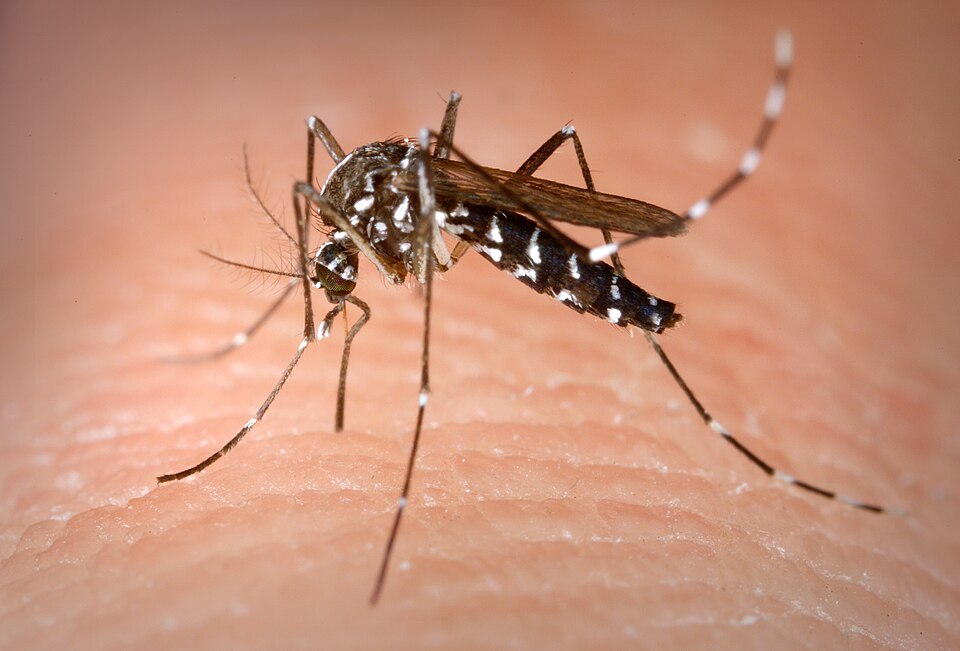
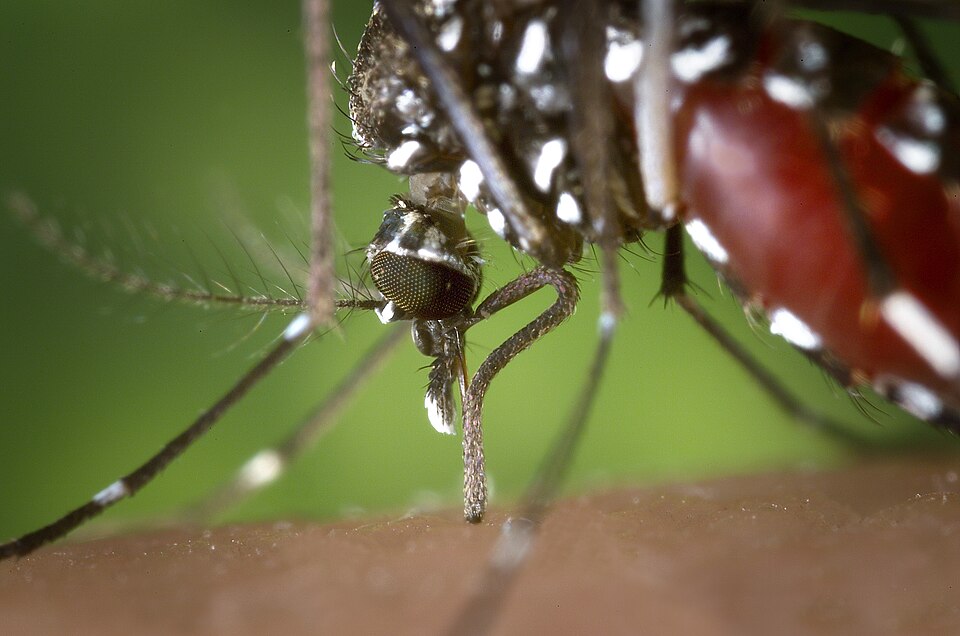
Connecticut has one of the more organized responses to this shift. The state runs a mosquito monitoring program coordinated by the Connecticut Agricultural Experiment Station. So far, that program has detected 54 different mosquito species within the state, including invasive ones that were not historically present. One of the most closely watched is the Asian tiger mosquito, a species capable of transmitting dengue and Zika.
"There are a number of new species that are creeping into our area," said Philip Armstrong, chief scientist at the Connecticut Agricultural Experiment Station.
Armstrong described the monitoring program as critical to catching disease threats before they spread to people. Trapping and testing mosquitoes allows researchers to identify where viruses are circulating in the insect population before human infections begin to appear. "You really do have to test the mosquitoes to know where the hot spots are for these viruses," he said. "By the time we learn about human cases, it's usually too late to do anything."
The problem extends well beyond Connecticut. Across the United States, more than 1,000 mosquito control agencies work to track and manage mosquito populations. Most operate at the local level, with different organizational structures, different budgets, and different monitoring methods. There is no national surveillance database pulling all of that information together into a single, shared resource.
According to Ars Technica, Dan Markowski of the American Mosquito Control Association, a nonprofit focused on reducing mosquito populations and the diseases they carry, said a national database is something the country needs. The barrier, he said, is straightforward. "It all obviously comes back to money," Markowski said.
The American Mosquito Control Association has pushed for more coordinated surveillance, but the current system remains fragmented. The patchwork structure means that data collected in one state or county may not be visible to researchers or public health officials working nearby. A disease outbreak building in one region may not register elsewhere until it has already spread.
The Asian tiger mosquito is a particular concern because of the range of diseases it can carry and the speed at which it has been extending its territory northward. Its historical habitat was in hot and humid climates well south of New England. Climate projections suggest the conditions that have allowed it to reach Connecticut will continue to spread further north in coming years.
Monitoring programs give public health officials a window of time to act, whether through targeted spraying, public advisories, or other interventions. Without them, the first sign of a problem is often a human case, and by that point the options narrow considerably.
Armstrong's program in Connecticut continues to trap and test mosquitoes across the state. Whether other states develop comparable programs will depend in part on whether funding becomes available at the state or federal level.