Scientists trying to grow dairy proteins inside plants expected one result and got something entirely different. That surprise may end up being more useful than what they were looking for.
Researchers at the Hebrew University of Jerusalem have demonstrated that plants can produce beta-casein, one of the major proteins found in cow's milk. Beta-casein is central to milk's nutritional value, its creamy texture, and its ability to form cheese. The work, published in the journal Frontiers in Plant Science, was led by Prof. Oded Shoseyov of the Robert H. Smith Faculty of Agriculture, Food and Environment, together with lead author Almog Ozeri and collaborators including researchers from Miruku, a New Zealand-based company.
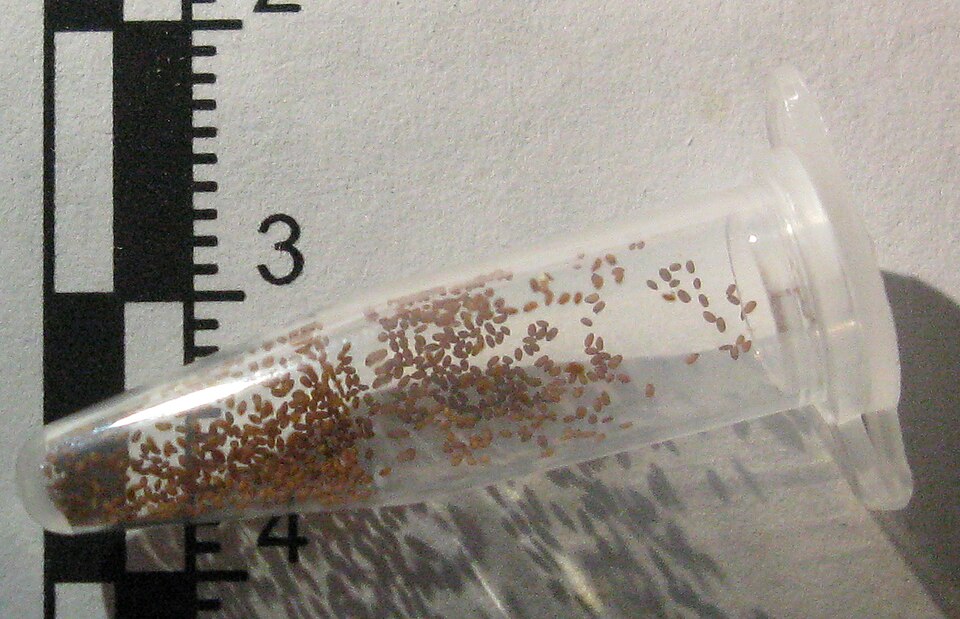
According to Phys.org, the team engineered Arabidopsis seeds, a small flowering plant widely used in laboratory research, to produce bovine beta-casein. To guide where the protein would accumulate, they attached it to a small portion of oleosin, a protein naturally bound to oil bodies inside plant cells. The researchers then tested several different cellular destinations, directing the protein toward various compartments to see where it would build up most efficiently.
The expected location was the storage vacuole, a compartment inside plant cells that regularly holds reserve proteins. The actual result was something else entirely.
Advanced electron microscopy revealed that the milk protein did not end up in the vacuoles at all. Instead, it formed previously unrecognized protein-rich structures closely associated with tiny oil bodies inside the seed cells. These unexpected aggregates resemble natural casein protein micelles, which are the structures that organize proteins inside real cow's milk.
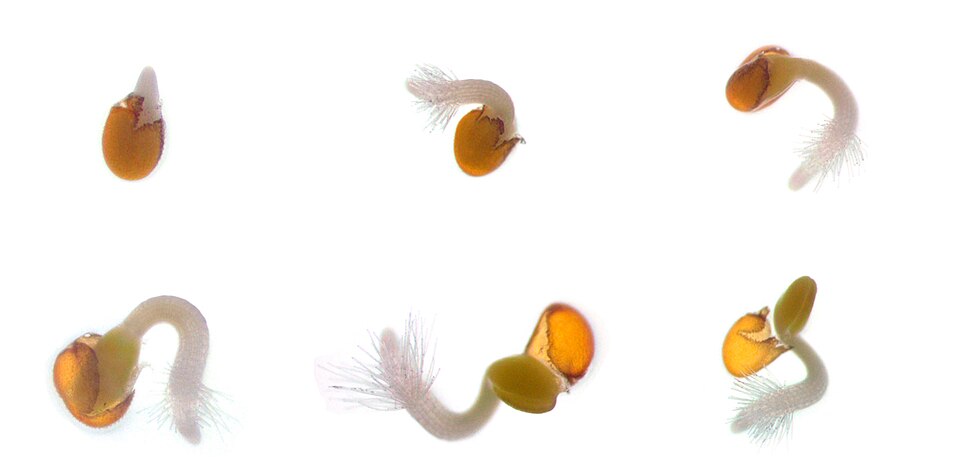
The protein-oil aggregates accumulated successfully inside the seeds. Importantly, the seeds continued to germinate normally, suggesting the engineered process did not damage the plant's basic biology.
The discovery matters because producing complex animal proteins in plant systems has been one of the hardest problems in the field of plant molecular farming. That field uses crops as miniature protein factories, but getting them to handle intricate proteins like those found in milk has remained technically difficult. Finding that beta-casein can accumulate in a new and previously unidentified pathway inside plant cells opens up options that researchers did not know existed.
The motivation behind this line of research is partly practical. Global demand for dairy continues to grow. At the same time, livestock farming carries significant environmental costs, including greenhouse gas emissions, land use, and water consumption. Scientists have been working to find ways to produce authentic dairy proteins, not imitations, without relying on animals.
Plant molecular farming is one of several approaches being pursued alongside precision fermentation and cell-based methods. This study adds a new piece of evidence that plants can handle proteins once thought to be exclusively within the domain of animal biology.
The researchers have not yet scaled the findings beyond Arabidopsis, and additional work will be needed to determine whether the same pathway functions in crop plants that could be grown at commercial scale.