

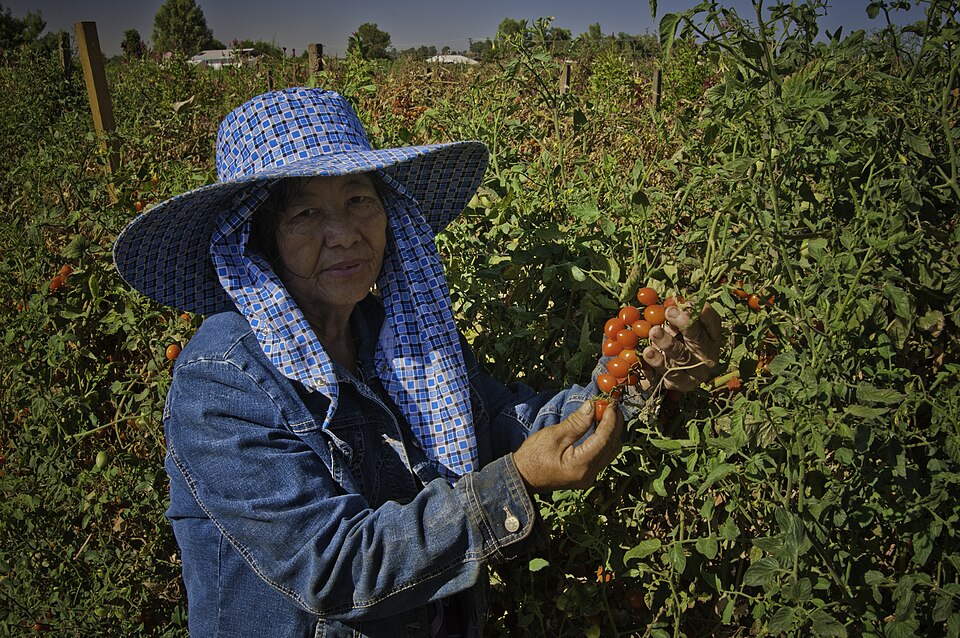
Farm workers who harvest much of the food consumed across the United States may soon lose access to health insurance under a new federal rule currently under consideration. The workers affected are largely migrant and seasonal agricultural laborers, a population that has historically faced significant barriers to medical care.
According to reporting by Channel 3000, the Martinsville Bulletin, and the Bristol Herald Courier, the proposed rule would strip health coverage from this workforce at a time when advocates say access to care is already difficult to maintain. The rule targets a specific coverage pathway that many of these workers currently rely on to receive basic medical services.
Migrant farm workers move frequently between states depending on the growing season, which makes it difficult to maintain stable health coverage under programs that are administered at the state level. Many qualify for coverage through special provisions built into existing federal health programs, and the proposed change would affect those provisions directly.
The agricultural labor workforce is a large and essential part of the American food system. Workers in this sector typically perform physically demanding tasks, including planting, tending, and harvesting crops under conditions that carry elevated risks of injury and illness. Heat-related illness, pesticide exposure, and musculoskeletal injuries are among the most common health concerns for this population.
Advocates for farm worker communities have raised alarms about what losing coverage would mean in practical terms. Without insurance, workers would face the full cost of emergency room visits, prescription medications, and follow-up care out of pocket. Clinics that serve agricultural communities often operate on tight budgets and depend on federal reimbursements tied to patient coverage status.
The rule has drawn attention from public health researchers and labor organizations who argue that removing coverage from essential workers creates downstream costs for the broader health system. Uninsured patients are more likely to delay care until conditions become severe, which often results in more expensive treatment and worse outcomes.
No final decision on the rule has been announced as of July 20, 2026. Reporting from multiple regional outlets indicates the proposal continues to move through the federal review process, with advocacy groups working to submit formal comments before any deadline closes.