![Incidence of measles and rates of measles vaccination in England and Wales, 1991–2007. All data from the []Incidence data source (lower curve). Vaccination data source (upper curve).](https://freenewspress.com/media/2026/07/20/measles-vaccination-83d30c.png)
Pennsylvania's Department of Health has created a new online dashboard designed to give residents up-to-date information about measles cases in the state, according to NorthcentralPA.com. The tool is intended to improve public access to data about an illness that has seen a resurgence in parts of the United States in recent years.
The dashboard pulls together measles-related information in one place, making it easier for the public, local health officials, and schools to monitor the situation without having to wait for periodic updates from state health authorities. Real-time or near-real-time data tools have become more common since the COVID-19 pandemic pushed health departments to communicate case data more rapidly and transparently.
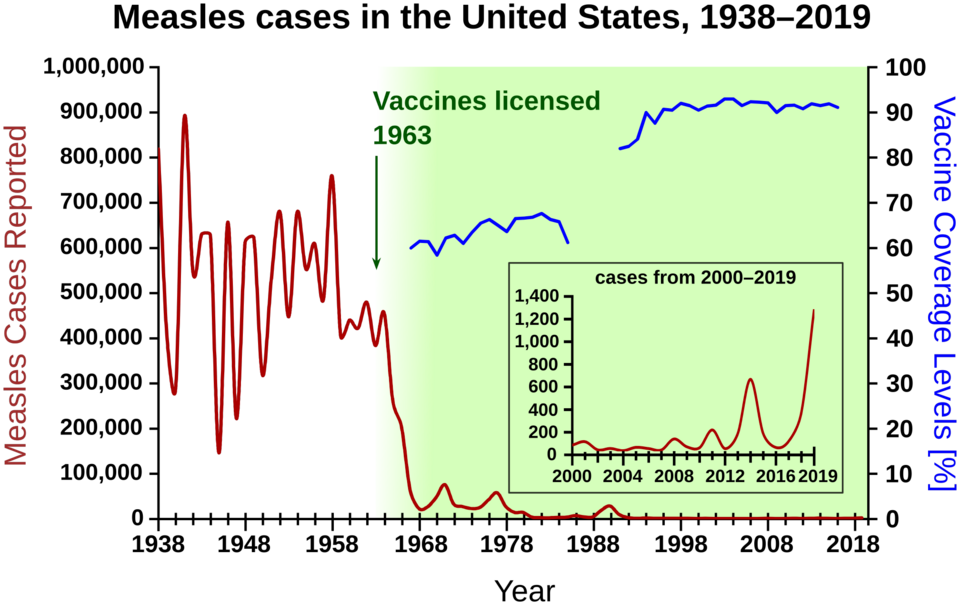
Measles was declared eliminated in the United States in 2000, but cases have continued to appear in clusters, often tied to communities with lower vaccination rates. The measles, mumps, and rubella vaccine, commonly known as the MMR vaccine, is highly effective and is part of the standard childhood immunization schedule. Two doses provide about 97 percent protection against the disease.
The virus spreads through the air and is among the most contagious infectious diseases known. A person with measles can infect up to 90 percent of unvaccinated people they come into contact with. Symptoms typically begin with fever, cough, runny nose, and red eyes, followed by a rash that spreads from the face down the body. Complications can include pneumonia, brain swelling, and death, particularly in young children and people with weakened immune systems.
Pennsylvania's move to create a dedicated dashboard comes as health departments nationally have faced pressure to be more proactive in communicating disease surveillance data. Giving communities earlier and clearer visibility into where cases are occurring can inform decisions by schools, hospitals, and local health offices, and may help target vaccination outreach to areas where coverage is lower.
The dashboard is now available through the Pennsylvania Department of Health's website. Officials have not specified how frequently the data will be updated, but the creation of the tool signals the department's intent to keep measles information accessible as the public health landscape continues to evolve.