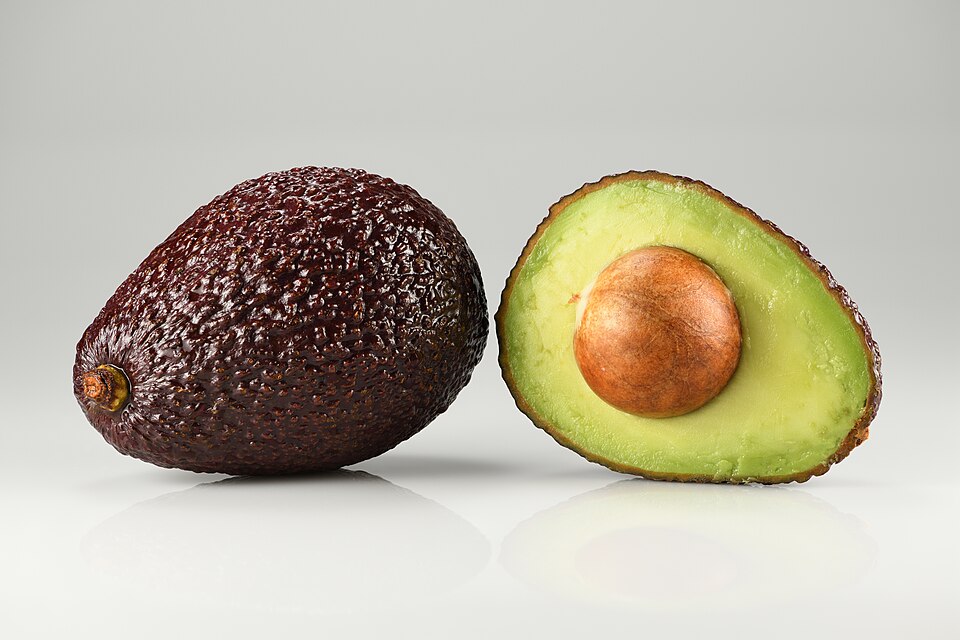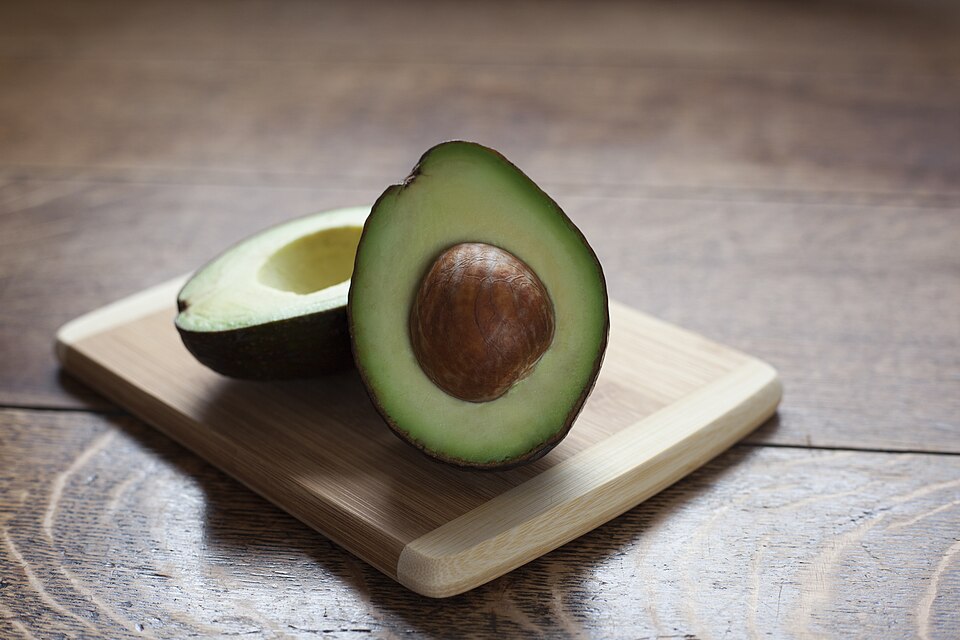
A study published June 12, 2026, in the Journal of Clinical Lipidology found that eating one avocado a day was associated with lower levels of LDL particles in people with obesity. LDL particles are proteins that transport cholesterol through the body, and higher numbers of them are linked to greater heart disease risk.
According to Healthline, the research analyzed data from 786 adults ages 25 and older who took part in the six-month Habitual Diet and Avocado Trial. To qualify, male participants needed a waist circumference of at least 40 inches. Female participants needed at least 35 inches. Half of the group continued their usual diet. The other half ate one avocado each day while otherwise keeping their normal eating habits and activity levels.
Researchers found that regular avocado consumption was associated with a 49 nanomoles per liter reduction in LDL particles in the blood. They estimated that change to be equivalent to roughly a 4% reduction in heart disease risk. The study did not find that adding a daily avocado led to weight loss or a reduction in waist circumference.
LDL particles differ from LDL cholesterol. The particles are proteins that physically carry cholesterol through the bloodstream. When more of these particles are present, the risk of heart disease rises even if overall cholesterol levels stay the same. The particles can penetrate arterial walls and contribute to plaque buildup, which restricts blood flow and reduces the flexibility of blood vessels.
Not everyone agrees the 4% figure is as meaningful as it sounds. David Rhee, MD, a board-certified cardiologist with Manhattan Cardiology in New York City, who was not involved in the study, advised caution. "The researchers tracked more than a dozen biomarkers from start to finish, and the LDL-P was the only one in this ancillary study that met statistical sig," he said, suggesting the finding should be taken with a grain of salt.
Experts say the results are encouraging but that avocados should be seen as one component of an overall heart-healthy eating pattern, not a standalone fix for cardiovascular risk. An earlier phase of the same trial had already found that adding avocado to the diets of people with obesity lowered LDL cholesterol levels without changing their weight or waist size. The new study focused specifically on LDL particles, a measure considered especially relevant for people with abdominal obesity.
Avocados have also been associated with other health benefits in prior research, including improvements in gut health.