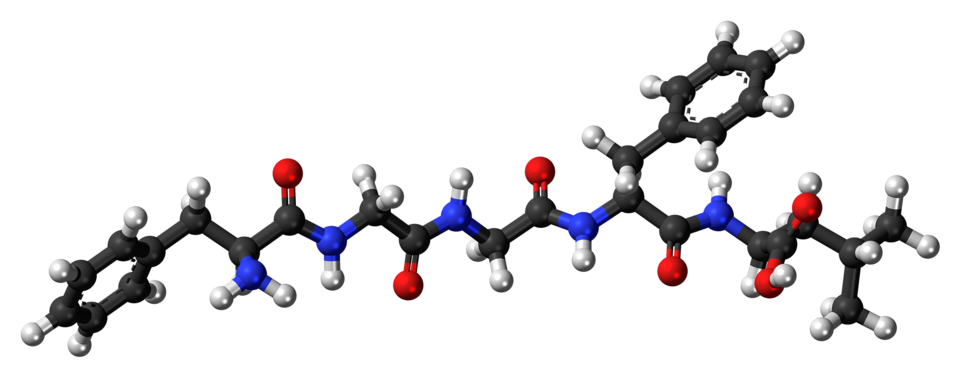
An advisory panel for the Food and Drug Administration is set to vote this week on whether to ease restrictions on seven peptides that supporters say can treat a range of conditions, from wound healing to obesity. If the panel recommends loosening the rules, the compounds could be prepared and sold as compounded medications with a prescription by pharmacies across the United States.
According to Healthline, the seven peptides under review are TB-500, BPC-157, Semax, Epitalon, Emideltide, KPV, and MOTs-C. They are being considered as potential treatments for conditions including ulcerative colitis, wound healing, obesity, and migraine.
Peptides have drawn attention in part because of high-profile advocates. Health and Human Services Secretary Robert F. Kennedy Jr. has said he has used peptides to help recover from injuries. Other proponents have described wellness-marketed peptides as a fountain of youth capable of improving muscle mass and increasing longevity.
Scientists urge a more cautious approach. Katrin Svensson, PhD, an associate professor of pathology at Stanford University, told Healthline that enthusiasm for peptides as a class of drugs should not be confused with evidence for any specific compound. "I think it's important to separate the promise of peptide therapeutics from the evidence supporting any individual peptide," she said. "Peptides are a very promising class of drugs and several have transformed the treatment of diseases such as diabetes and obesity. However, that does not mean every peptide being marketed has been adequately studied."
Svensson added: "I don't think the question is whether peptides are good or bad. The question is whether there is sufficient scientific evidence for each specific peptide."
Not all medical professionals oppose expanding access. Mir Ali, MD, a bariatric surgeon and medical director of MemorialCare Surgical Weight Loss Center at Orange Coast Medical Center in California, said broadening availability could help researchers learn more. "I think it might be a good idea to broaden the application of these medications so we have a better ability to evaluate them," he told Healthline.
Others are sharply critical. Bert Mandelbaum, MD, a sports medicine specialist and orthopedic surgeon at Cedars-Sinai Orthopedics in Los Angeles, told Healthline that so-called wellness peptides are neither safe nor effective. "This has nothing to do with wellness," he said. "I would call it more of an uninformed fad. It's worse than that — it's criminal. The influencers, including RFK Jr., are abusing the system and not following the science."
A group of FDA scientists has also raised concerns about the compounds, posting warnings separate from the advisory panel process. The panel's vote this week will determine whether the agency moves forward with loosening the current restrictions.