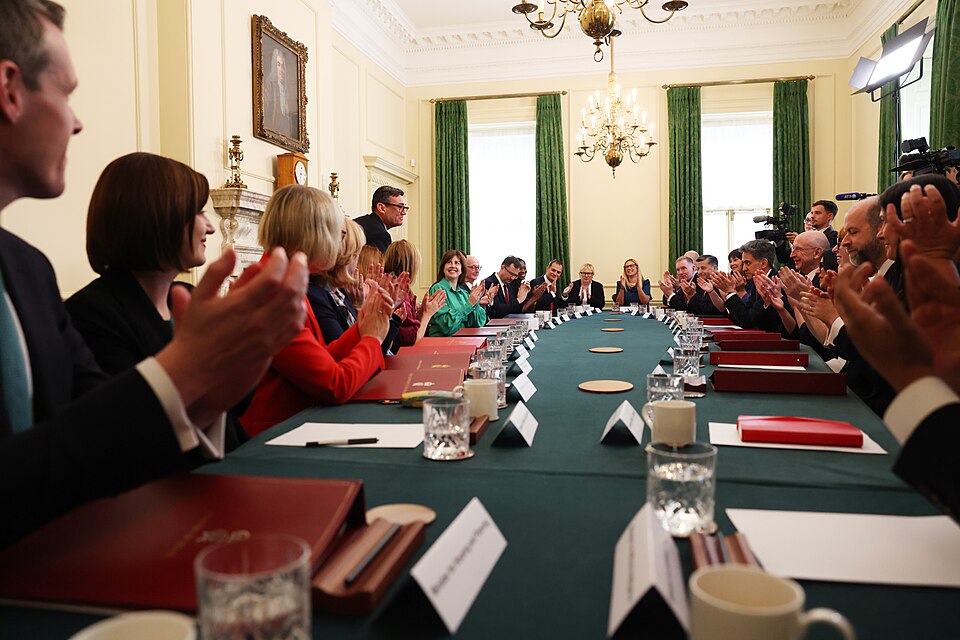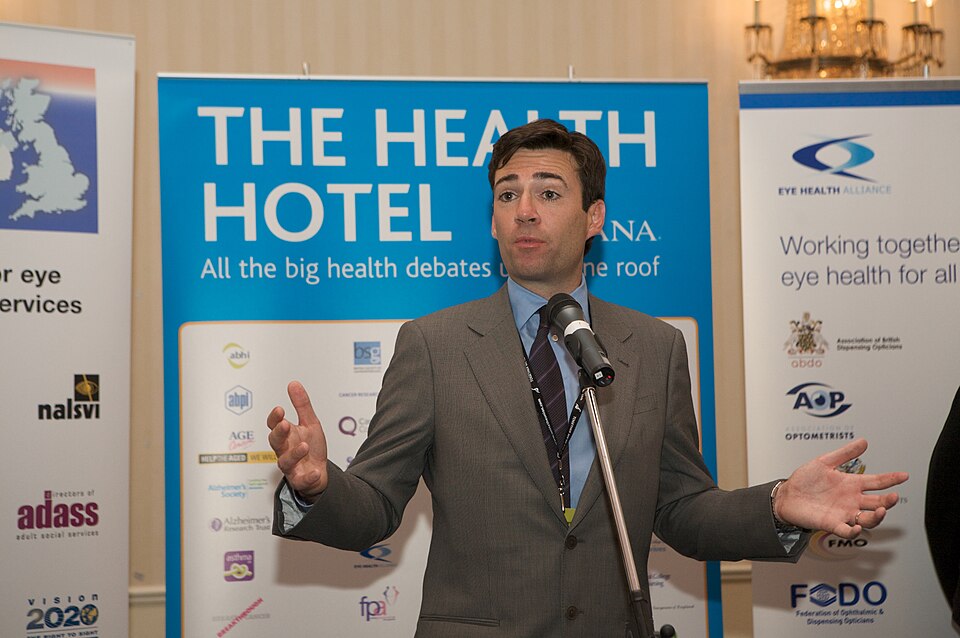
Andy Burnham, the United Kingdom's new prime minister, said Sunday he is prepared to publicly disagree with U.S. President Donald Trump when Britain's national interest requires it. The statement came in a BBC interview that aired Sunday, just days after Burnham took office.
Burnham told the BBC that he spoke with Trump by phone on Monday, his first official day in the role. He described the conversation as "a good exchange" and said he found Trump "warm." He added, "We will continue to build the relationship as we go forward."
When asked whether he would place his trust in Trump, Burnham said: "it's a changing world isn't it, and you just obviously have to call things as they develop."
BBC journalist Laura Kuenssberg pressed Burnham on whether he would call out Trump if it was the right thing to do. Burnham answered directly: "of course." He added: "You have to defend your own national interest before anything else. That's what you're required to do if you're to do this job properly."
He also said: "I can't at any point say that I won't take a different opinion from him, that I will need to voice a different idea that is right for Britain."
According to CNBC, Trump has frequently criticized the U.K. and other European and NATO allies for not contributing enough to the U.S.-led war on Iran. But Trump has welcomed Burnham's plan to fast-track oil and gas exploration in already-licensed fields in the North Sea. Writing on Truth Social last week, Trump called North Sea oil "invaluable," adding it will take the U.K. from a "Poverty Stricken Disaster, to one of the Richest Countries anywhere in the World!"
Trump had criticized Burnham's predecessor, Keir Starmer, over energy policy. In an April interview with The Telegraph, Trump said: "All Starmer wants is costly windmills that are driving your energy prices through the roof."
Starmer announced last month that he would step down. His two years in office were marked by policy reversals, staffing scandals, and a significant loss in Britain's local elections that prompted calls for his resignation from within his own party.
On defense spending, Burnham declined to set a date for raising the budget to 3% of GDP. He appointed John Healey as Chancellor of the Exchequer, a move that drew attention because Healey had resigned as Starmer's defense minister just weeks earlier. Healey cited his belief that the government was unwilling to commit the resources the country needed to defend itself.
Burnham addressed the appointment directly: "I appointed my new chancellor very aware of what he had said about the critical importance of defense spending and the position that he had taken about that."
He said the immediate challenge is ensuring the defense investment plan is fully funded, with a budget coming later this year as the next deadline.