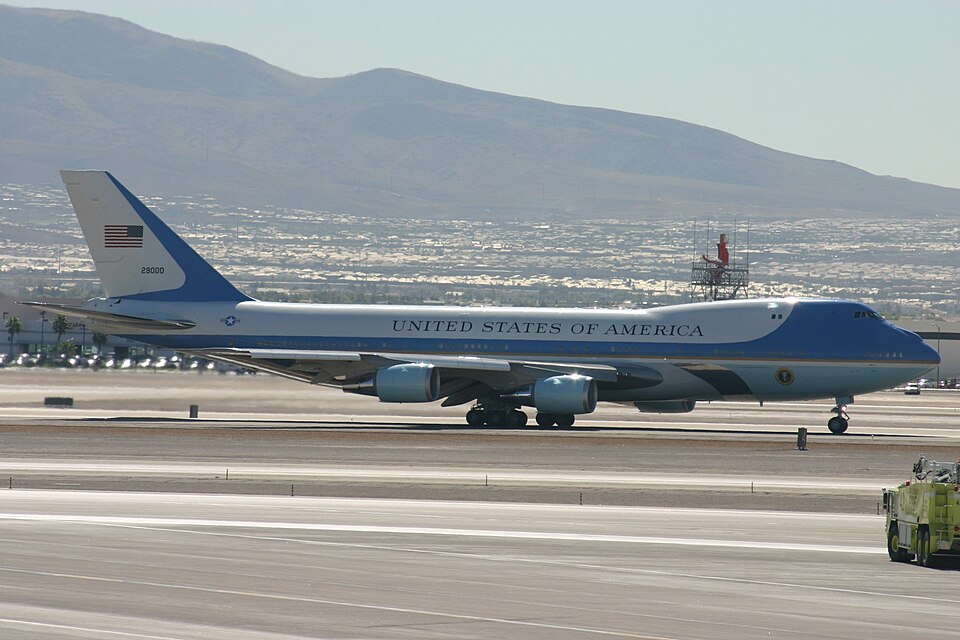
Boeing posted a net loss of $428 million in the second quarter, or 67 cents per share, but the number that stung investors was the adjusted figure: 76 cents per share, compared to the 30 cents loss Wall Street had expected. The Air Force One program alone cost the company $280 million in the quarter as Boeing said it was ramping up investment to finish the two next-generation 747s it is building for the U.S. government.
According to CNBC, Boeing still expects to deliver the first of those jets in 2028. CEO Kelly Ortberg addressed the program directly. "It's very important to our customer that we deliver that airplane on time," he said. "We're gonna put more resources on to make sure that we do that."
Despite the headline loss, there were genuine positives in the report. Revenue rose 8% from a year earlier to $24.56 billion, topping Wall Street's $24.25 billion estimate. Commercial aircraft deliveries climbed 14% to 171 planes, up from 150 a year ago. Free cash flow came in at $631 million, well above the $177 million cash burn analysts had projected, and a sharp turnaround from the $200 million burn in the same quarter last year.
Boeing has been pushing hard to increase production of its 737 Max, now running at 47 planes per month with further increases planned. The 737 Max remains the company's bestselling aircraft family, and ramping it up has been central to Ortberg's recovery plan since he took over as CEO.
MarketWatch reported that Boeing's stock rallied despite the larger-than-expected loss, as investors focused on the revenue beat and a strong backlog in the defense business, even as commercial airplane sales came in slightly below expectations.
Ortberg sent a note to staff alongside the earnings release. "While we're making progress on our development programs, you're never done until you're done," he wrote. He also offered a measured outlook. "While two quarters don't make a year, if we work together and stay focused on safety, quality and on-time performance — we'll improve our competitiveness and set ourselves up for a big second half."
In a separate development this month, President Donald Trump took his first flight on a luxury Boeing 747 gifted by Qatar, which was intended to serve as a temporary Air Force One while Boeing finishes the new jets. That arrangement drew scrutiny after Trump traveled to Turkey and departed on the older Air Force One instead.
On the certification front, Boeing is working toward approvals for several aircraft programs that have faced long delays. The Boeing 737 Max 7 is expected to be certified first. After that, the company faces questions about the 737 Max 10 and the 777X, its new wide-body jet, which analysts were expected to press executives on during a call at 10:30 a.m. ET Tuesday.