Wall Street finished last week in positive territory, but the path there was anything but smooth. The Dow Jones Industrial Average rose 1% for the week, snapping a three-week losing streak. The S&P 500 also gained 1%, while the Nasdaq climbed 1.6%.
The monthly numbers told a different story, according to CNBC. The Dow edged up just 0.32% in July. The S&P 500 slipped 0.13% and the Nasdaq fell 3.2%, marking back-to-back monthly losses for both indexes.
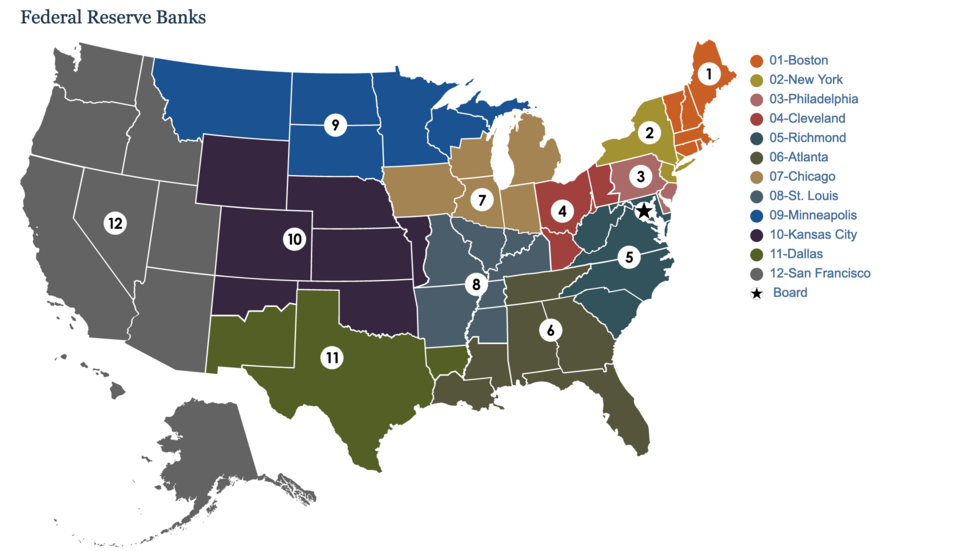
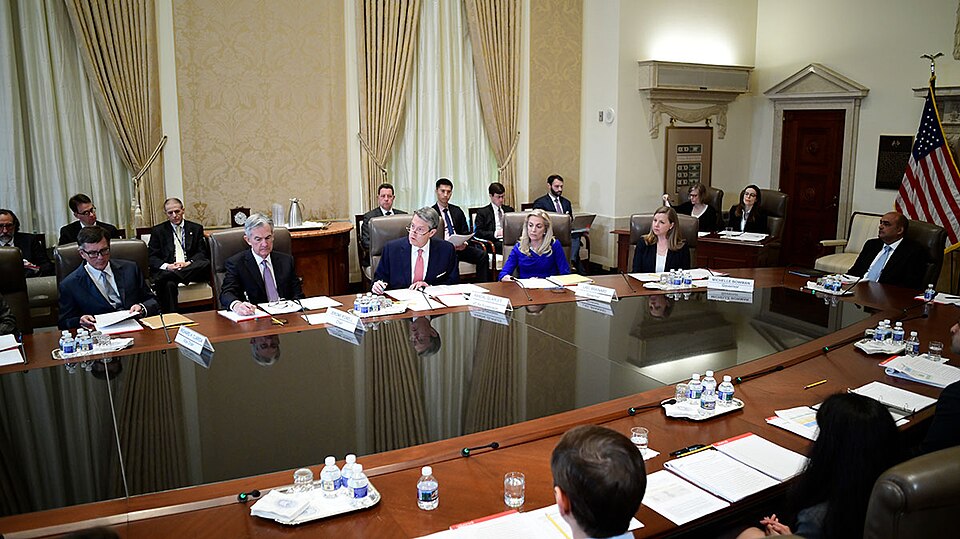
The Federal Reserve held interest rates unchanged at its Wednesday meeting, but three of the 12 members on the central bank's policymaking committee voted for a hike. The dissent reflected growing concern that inflation has remained above the Fed's 2% target for too long, with higher energy prices from renewed Iran war tensions adding pressure. Fed Chairman Kevin Warsh used his post-meeting news conference to reassure markets that policymakers would act when necessary.
Bond investors were not reassured. The 10-year Treasury yield climbed above 4.67% that day, while the 30-year yield surged above 5.2%, reaching its highest level since 2007. Stocks sank on the yield surge. The Dow plunged more than 1,100 points on Wednesday, a drop of 2.2%, its worst single-day decline since April 2025. The 10-year yield topped 4.7% again on Friday.
The AI trade also created turbulence during the week. The recent reversal of a popular hedge fund strategy that had been running all year, described as long AI hardware and short software, was made worse by forced selling from Situational Awareness, a highly leveraged fund founded by former OpenAI researcher Leopold Aschenbrenner. The fund had to offload troubled bets, which eventually helped stabilize the AI trade once the selling was done.
Jim Cramer on Thursday called the liquidation "one of the more sure signals to buy," arguing that the unwind could mark a turning point by removing a significant source of indiscriminate selling pressure. Cramer also described the fund's collapse as a cautionary tale about investing with borrowed money, consistent with his longstanding advice against buying stocks on margin.
Big Tech earnings provided some direction by the end of the week. Results from Microsoft and Amazon reinforced the idea that Wall Street is not against AI spending, but it does want evidence that the investments will generate profits. Both companies showed investors enough to keep the conversation going.
Oil prices finished Friday higher but ended the week lower overall after a volatile stretch tied to energy market uncertainty around the Iran situation.
The next major market catalyst is likely to come from continued earnings reports and any fresh signals from Fed officials on the path of interest rates.