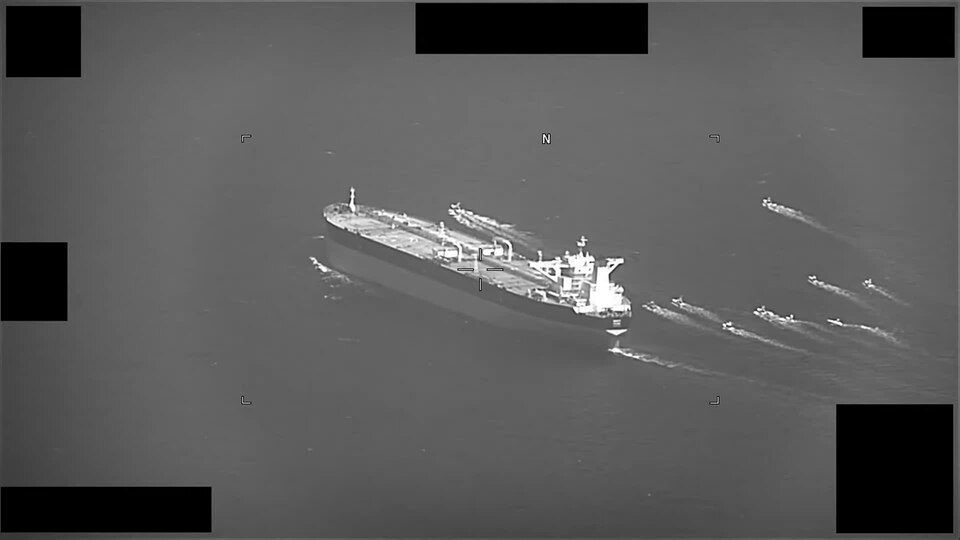
Gas prices held near $4.10 a gallon on July 31, even as oil markets remain under pressure from an ongoing U.S.-Israeli war on Iran that began on February 28 and has now entered its sixth month with no resolution in sight.
GasBuddy reported the U.S. national average at $4.093 a gallon on July 31, essentially flat from the day before. AAA put its measure at $4.106 a gallon. Both figures are up roughly 45 percent for the year and 30 percent from a year ago, according to Yahoo Finance.
Light sweet crude, the benchmark U.S. crude oil price, ended July at $84.67 per 42-gallon barrel, up 22 percent for the month, per CME Group data. Brent, the global benchmark, rose 24 percent in July to $87.93 a barrel, according to data from the Intercontinental Exchange in London. For the year, oil prices are up more than 40 percent.
Oil prices typically peak in July or early August as the summer driving season winds down and families return home before the school year begins. Days are getting shorter. Demand from road travel usually eases. But analysts say the rest of 2026 remains deeply uncertain because of the war.
Iran was not expected to sustain a prolonged military engagement, but it continues to fire missiles and drones at military posts operated by the United States and Arab countries across the region. On Wednesday, a drone struck Damietta Port, an Egyptian port on the Mediterranean Sea, setting two ships on fire. Egyptian officials initially attributed the attack to Iran, though responsibility was not confirmed. The Wall Street Journal reported the attack was believed to be war-related.
President Donald Trump said on July 31 that U.S. forces would attack Iran over the weekend.
Oil trader John Kilduff told TheStreet that gasoline prices could range between $4.25 and $4.50 a gallon in August because of war tensions. He also pointed to Ukrainian drone attacks on Russian oil infrastructure as an additional supply disruption feeding into prices.
Beyond August, Kilduff said the picture is unclear. Many countries have drawn down their strategic oil reserves, and the process of refilling storage could place a floor under crude prices even as demand softens.
Bank forecasts differ on where prices will land by year end. J.P. Morgan Global Research has forecast Brent crude to average $86 per barrel in the third quarter of 2026, dropping to $80 in the fourth quarter and $78 at year end. Goldman Sachs sees Brent at $80 in the fourth quarter, with light sweet crude at $75. Goldman Sachs has separately doubled down on its oil price forecast for 2026, according to a related report cited by Yahoo Finance.
The uncertainty leaves drivers, businesses, and investors watching for any sign of a ceasefire or diplomatic movement on the Iran conflict, none of which appeared imminent as of August 2.