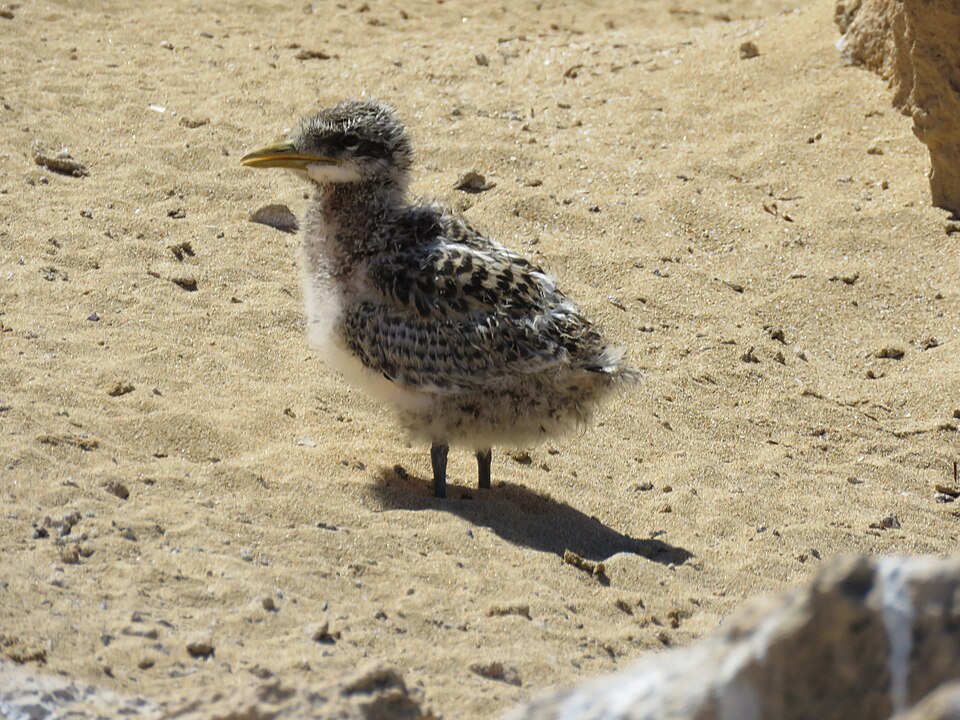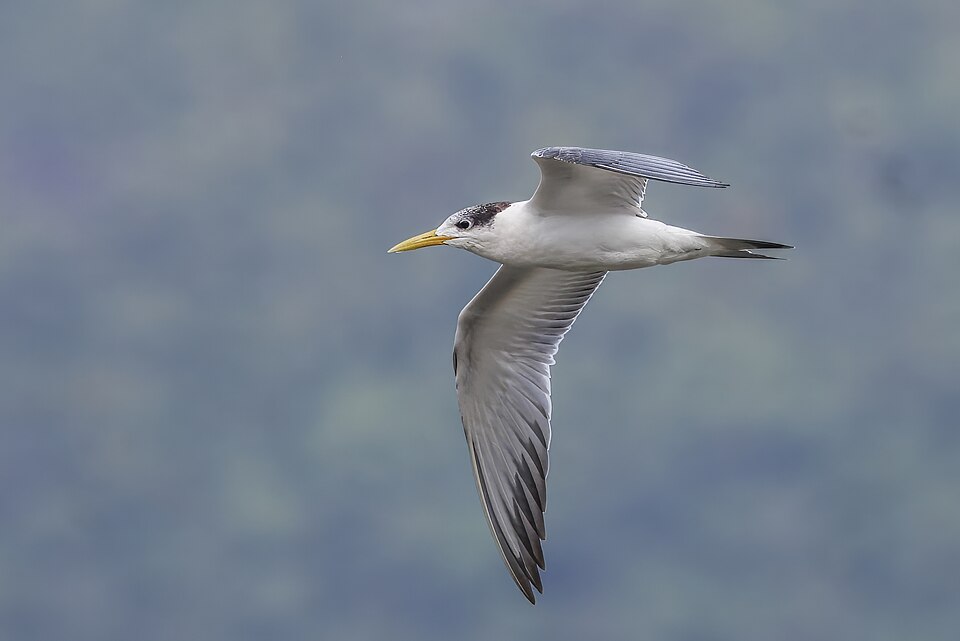
The deadly H5N1 strain of bird flu has arrived in Australia, and researchers are warning that the toll on native wildlife could be severe. As of early August, the virus had been detected in 78 wild birds across mainland Australia. Authorities confirmed the first mass death event, involving dozens of greater crested terns off the southeast coast of South Australia. Testing was also underway on a cluster of sick and dead terns in southwest Victoria.
According to reports by Phys.org, the virus spread to Australia from migratory birds and has now infected resident bird populations. Clusters of dead birds have been found in several locations across the country.
Death rates from H5N1 range from 75% to 100% in poultry and some wild bird species. Native species such as the black swan are considered highly vulnerable. Researchers estimate many thousands, if not millions, of Australian birds could perish, along with large numbers of mammals.
The threat extends well beyond birds. H5N1 has already proven devastating to marine mammals in South America. A team of researchers from the Universidad Nacional del Comahue in Argentina and Deakin University in Australia documented a dramatic decline in seal populations in northern Patagonia following a 2022-23 outbreak. At least 30,000 South American sea lions died across Peru, Chile, Argentina, Uruguay and Brazil. In some areas, breeding colonies lost up to one-third of their population within a single breeding season. More than 17,000 elephant seal pups also died at Península Valdés in Argentina.
Infected pinnipeds developed severe neurological and respiratory illness. Symptoms included lethargy, tremors, impaired coordination and labored breathing. Postmortem examinations revealed marked lung lesions. Many animals died within a short time after symptoms appeared.
Researchers say Australia has an opportunity to act before the worst of the outbreak unfolds. They have outlined eight possible actions based on overseas experience.
Among the recommendations: reducing other threats such as feral cats and foxes to give more animals a chance of surviving the first wave of infection. Banning duck hunting was also suggested as one way to reduce pressure on vulnerable species.
Securing captive insurance populations is another priority. Threatened birds and mammals already held in captivity provide some buffer. For species without those populations, researchers suggest collecting wild animals before infection reaches them and increasing the genetic diversity of captive groups. Translocation to safer wild areas was also proposed for some species, such as northern quolls.
New Zealand authorities have already begun vaccinating some at-risk species, and researchers say Australia should consider similar measures.
The prospect of another major blow to Australian wildlife follows the 2019-20 megafires and a 2025 algal bloom off South Australia that caused widespread marine destruction. Conservationists and wildlife caregivers have described the current situation as emotionally draining given that backdrop.
Official guidance so far has focused on asking the public to watch for, report, and record sick birds and mammals. Researchers say that approach, while important, risks leaving communities feeling like powerless bystanders. They are calling for more active intervention now.