Scientists in Japan have identified a group of brain cells that appear to play a central role in keeping people and animals motivated when tasks get harder. The research, published in Proceedings of the National Academy of Sciences, points to orexin neurons as a key part of how the brain sustains goal-directed effort.
According to Science Daily, the study was led by Hiroyuki Mizoguchi, associate professor, and Kiyofumi Yamada, professor emeritus, at Nagoya University's Graduate School of Medicine. Orexin neurons are already known to help control sleep, appetite and energy expenditure. Their role in motivation, however, had not been clearly established before this study.
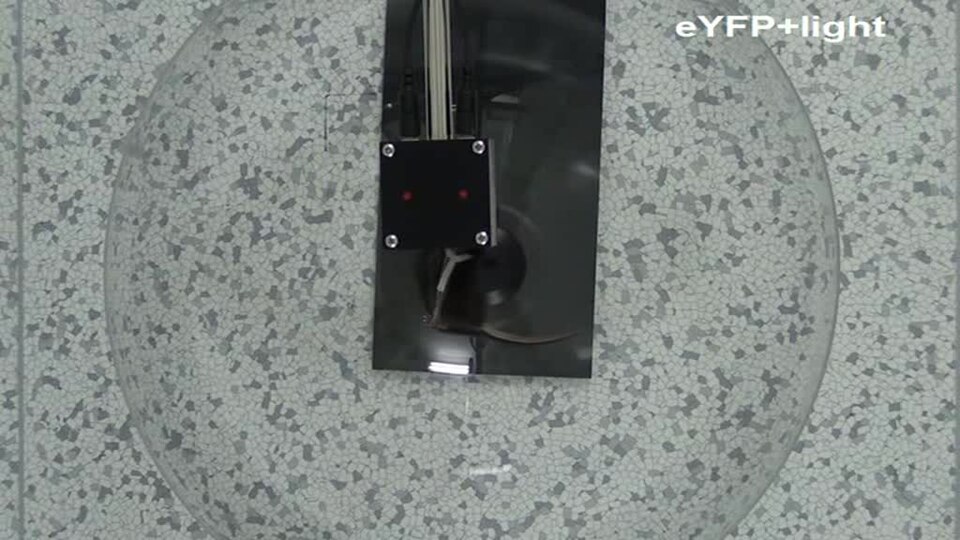
The team used genetically modified rats, which they called orexin-Cre rats, to selectively target and manipulate neurons that produce orexin. Earlier studies in this area had mostly used mice, but rats were chosen because they have stronger learning abilities and are better suited to complex behavioral tasks.
Researchers placed the rats in a progressive ratio test. In this setup, animals had to make an increasing number of touches to receive each food reward. The point at which an animal stopped trying, called the breakpoint, served as a measure of motivational strength.
Rats whose orexin neurons had been activated using chemogenetics reached higher breakpoints. They were willing to do more work for each reward. Rats whose orexin neurons had been selectively degenerated reached lower breakpoints, showing reduced motivation.
The team also used fiber photometry to track brain activity during the tasks and found that activity in the orexin neurons rose as the effort required increased.
Loss of motivation is a recognized feature of several conditions, including depression, addiction and ADHD. Researchers say that despite how common motivational difficulties are in these disorders, the underlying brain processes remain poorly understood. Identifying orexin neurons as a possible contributor opens a new direction for research.
The study involved rats, not humans, and further work would be needed before the findings could be applied clinically. Still, the ability to selectively manipulate orexin neurons in the new rat model gives scientists a more precise tool than was previously available for studying how motivation works in the brain.