For the first time since scientists began tracking them by satellite in 1984, the world's mangrove forests are expanding at a faster rate than they are disappearing.
That finding comes from a recent study, reported by Phys.org, that analyzed four decades of global data on the reach and growth of mangrove ecosystems. The results represent a significant shift after years of steady loss.
Between the 1980s and 2010, the world lost more than 12,000 square kilometers of mangroves. That is an area roughly the size of Jamaica. The forests were cleared for rice paddies, oil palm plantations, aquaculture operations, and in some cases used as landfills. The loss meant fewer ecosystems capable of trapping greenhouse gases and protecting coastlines.
Since 2010, however, mangrove forests have expanded by more than 2,000 square kilometers, or about 770 square miles. Researchers found the reasons for this growth vary by region, but the overall trend is clear.
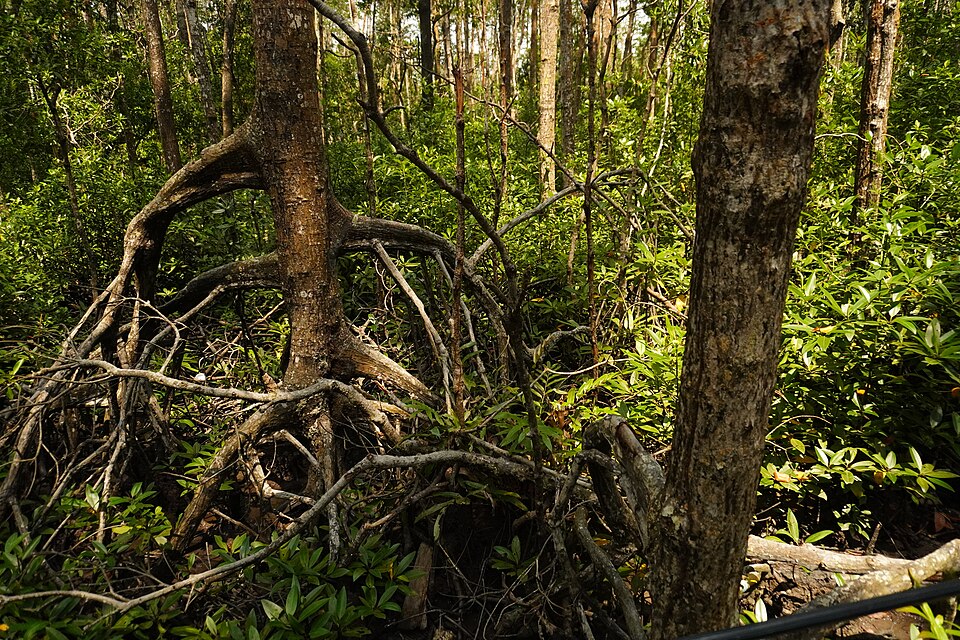
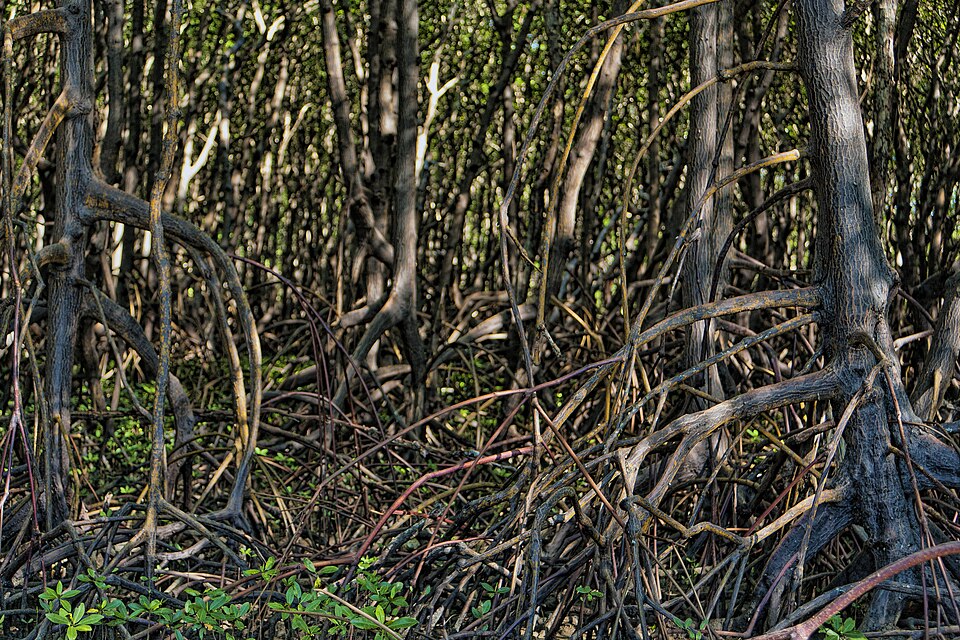
Mangroves are unusual trees. They breathe through their roots, grow on what appear to be stilts, and thrive in hot, salty tidal water. For much of history they were considered inhospitable and were among the first ecosystems cleared when land was needed for development.
That view has changed considerably. Mangrove forests are now recognized as among the most ecologically valuable coastal environments on earth. They store roughly four times more carbon per unit of area than other land-based forests. They provide habitat for a wide range of species, including barramundi and giant shovelnose rays, sea snakes, proboscis monkeys, and the water mouse. They also protect coastal communities from flooding, erosion, storms, cyclones, and tsunamis.
From an economic standpoint, mangrove forests support millions of small-scale fishers and underpin larger commercial fisheries. They also carry significant cultural importance for many First Nations communities, some of which associate the forests with religious figures or traditional practices.
The recovery is happening even as human-induced climate change continues to put pressure on these ecosystems. More frequent and severe droughts, stronger storms, and accelerating sea level rise all pose ongoing threats to mangrove survival. Sea level rise in particular carries the risk of drowning low-lying mangrove areas entirely.
The study's finding that mangroves are rebounding despite these pressures was described as somewhat surprising by researchers. The expansion does not erase the losses of the previous three decades, but it represents a measurable reversal of the trend that had defined mangrove history since the 1980s.
Scientists have been monitoring mangrove coverage using satellites since 1984, giving researchers one of the longer continuous records available for any coastal ecosystem. That data record is what made the four-decade analysis possible and allowed researchers to identify the turning point that appears to have occurred around 2010.