Negotiations between Iran and Oman over a temporary shipping arrangement for the Strait of Hormuz are continuing, but the talks are running into serious obstacles. Attacks on regional energy infrastructure and major disagreements over how transit rules would work are both complicating efforts to reach an agreement.
According to Bloomberg, even if Iran and Oman do reach a deal, shipowners and traders expect it could take weeks or months for oil flows through the strait to approach normal levels. The expectation reflects how disrupted the market has already become and how long it takes for confidence to return among the shipping companies that move oil through one of the world's most critical chokepoints.
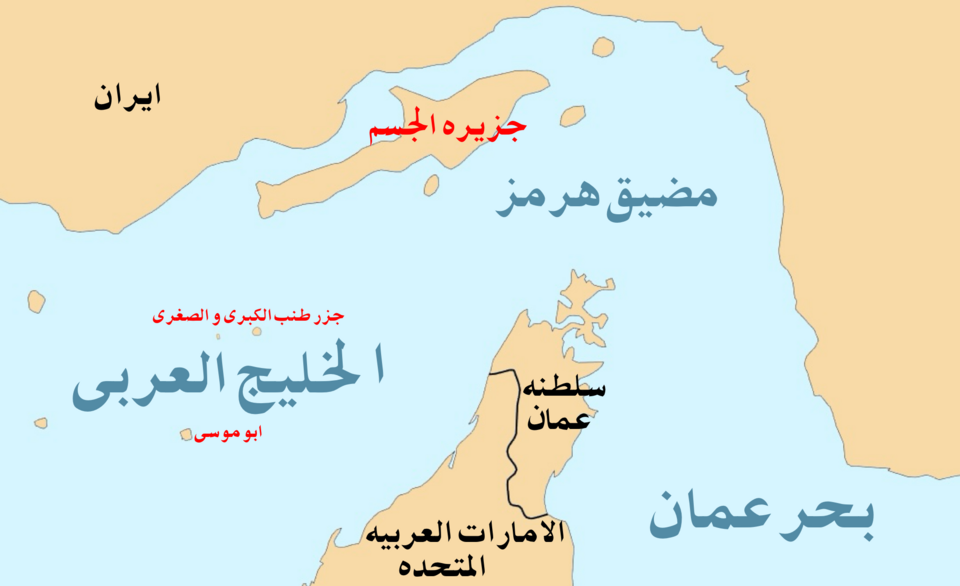
The Strait of Hormuz is the narrow waterway between Iran and Oman through which roughly 20 percent of the world's oil supply passes. Any disruption to shipping there affects energy prices globally. The current uncertainty has already put pressure on oil markets, and a prolonged negotiation without a clear resolution keeps that pressure in place.
Bloomberg News White House Correspondent Skylar Woodhouse and Bloomberg News Middle East Correspondent Abeer Abu Omar outlined the state of the talks, noting that while a temporary arrangement is still being discussed, the gap between the two sides on transit rules remains significant. The attacks on regional energy infrastructure add a layer of unpredictability that makes any agreement harder to enforce and harder to trust.
For the shipping industry, the uncertainty creates practical problems. Shipowners must decide whether to route vessels through the strait or take longer and more expensive alternative routes. Traders pricing oil cargoes must account for the risk of disruption. Insurers must decide what premiums to charge for coverage in a high-risk zone. Each of those decisions is being made with incomplete information about how the negotiations will end.
The timeline for a resolution is not clear. Talks are ongoing, but no agreement has been announced, and the major points of disagreement have not been resolved.