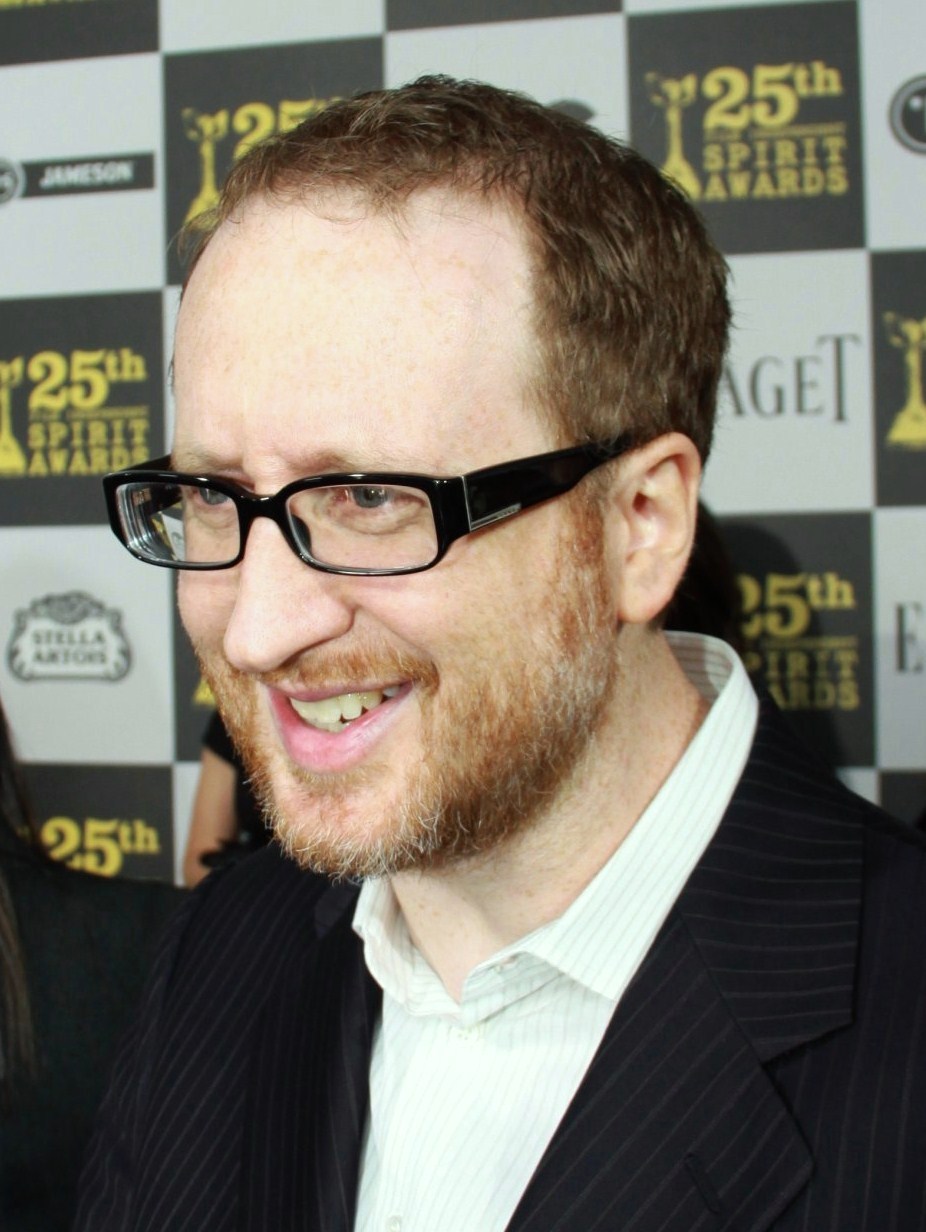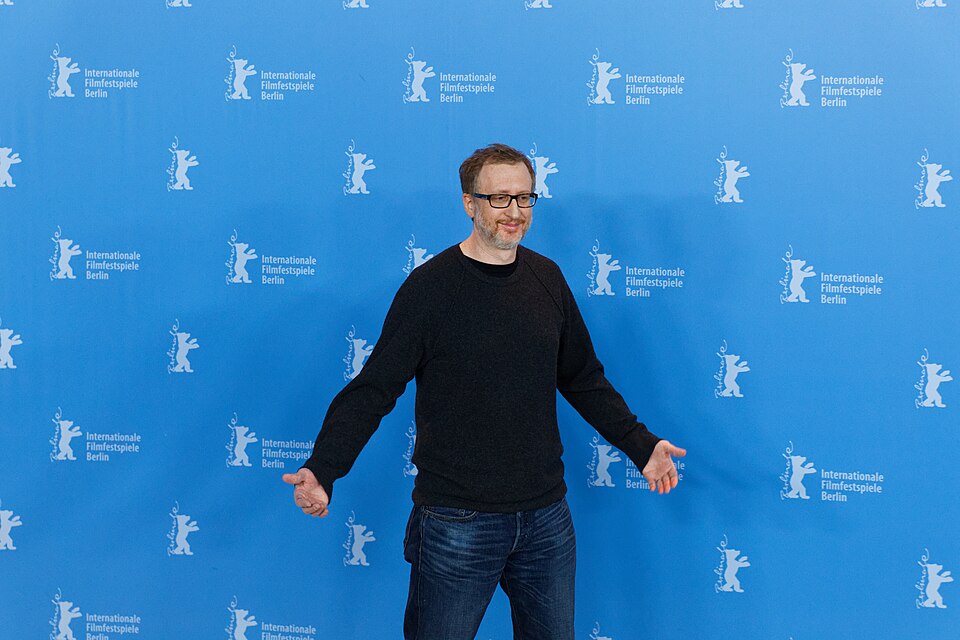
James Gray arrived in Locarno, Switzerland this weekend with a new film and a lot to say about what movies are and how they get made. The American filmmaker received the Career Leopard honor at the 79th edition of the Locarno Film Festival, ahead of a Sunday evening screening of Paper Tiger on the festival's landmark Piazza Grande.
The film stars Adam Driver and Miles Teller as two brothers whose pursuit of the American Dream puts them at odds with the Russian mafia, with support from Scarlett Johansson.
Speaking to the press before the screening, Gray laid out his core view of cinema. "To me, movies are the most beautiful art form because it's the closest thing we have to a dream," he said. He pointed to how fast the medium had evolved compared to other art forms. "The first full-length sound film is I think 1928. Between 1920 and 1933, you have in the first five years of the art form… as we know it now, you have an ocean of masterpieces," he said, citing Fritz Lang's M as an example.
He pressed the comparison further. "What does that tell you? What's the gap between the cave paintings of Lascaux and perspective in 1482 or whatever it is?… In music, it takes a thousand years for the scale to develop the way it does. Why cinema so quickly?" he asked. His answer: artists across other forms had always been trying to reach cinema. "Because when you look at Bosch's cryptics or when you hear Des Nibelungen by Wagner, you see artists trying to get past that art form. They're trying to get to cinema."
That philosophy shapes how he thinks about the audience relationship. "My view of cinema is, I understand that there is a commercial context in which we all have to work. I understand that it is for, I like to say, an audience, not the audience, but but for me, what makes it beautiful is that it is the clearest window into somebody else's consciousness, somebody else's dream," he said. The Hollywood Reporter noted that Gray extended the metaphor to explain why theater talkers provoke such strong reactions: "That's why when somebody talks behind you in the movie theater, you want to kill them. It's something interrupting your dream."
On working with actors, Gray was direct. "I'm not a good director of actors," he told the Locarno press conference. "It is all about how good they are and letting them have the freedom to be themselves in the scene and to listen to each other." He described his on-set approach as one of listening first. "When I go to the set, I let the actor always tell me what they want to do. I have in mind exactly the way I want to shoot. But I have the actor tell me what they want to do, what's comfortable to them," he said. He added that he always shoots the rehearsal because, in his view, messiness is interesting.
Gray also said he never writes a script with a specific actor in mind. "You write it for some actor, and then you find out that guy is not available for two years, and then they can't do it. And then, instead of the 6'2″ guy, you have to cast the 5'1″ guy and rethink it. So I've learned never to do that," he said. He singled out Italian cinema from 1945 to 1980 as the period he finds most essential, calling it "an ocean of brilliance" that is "unparalleled."