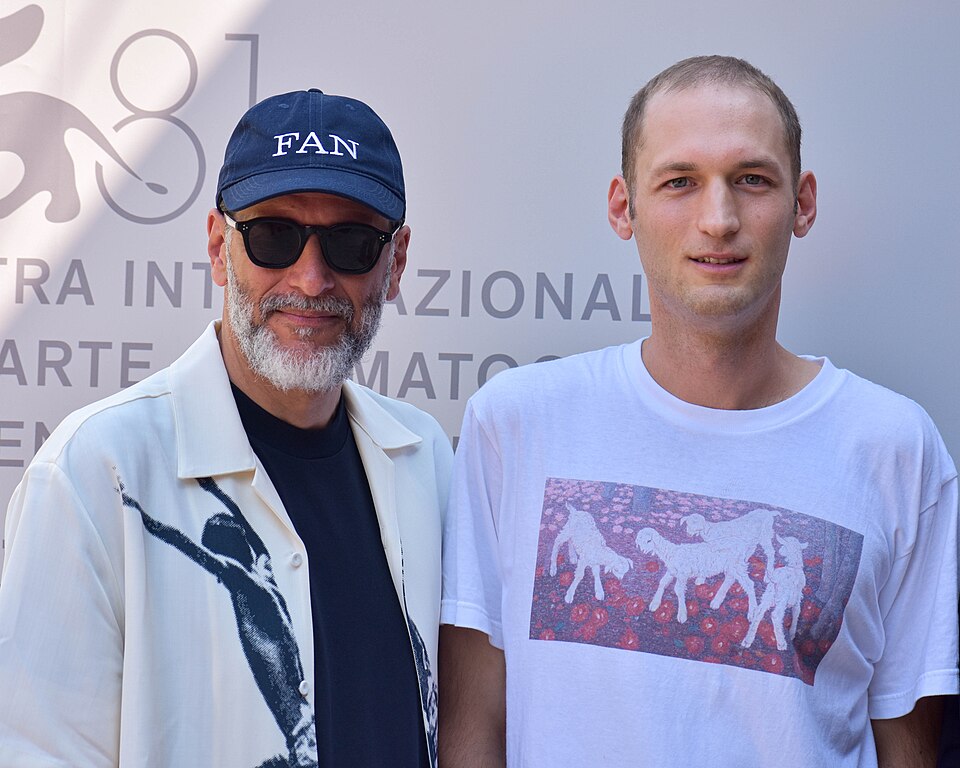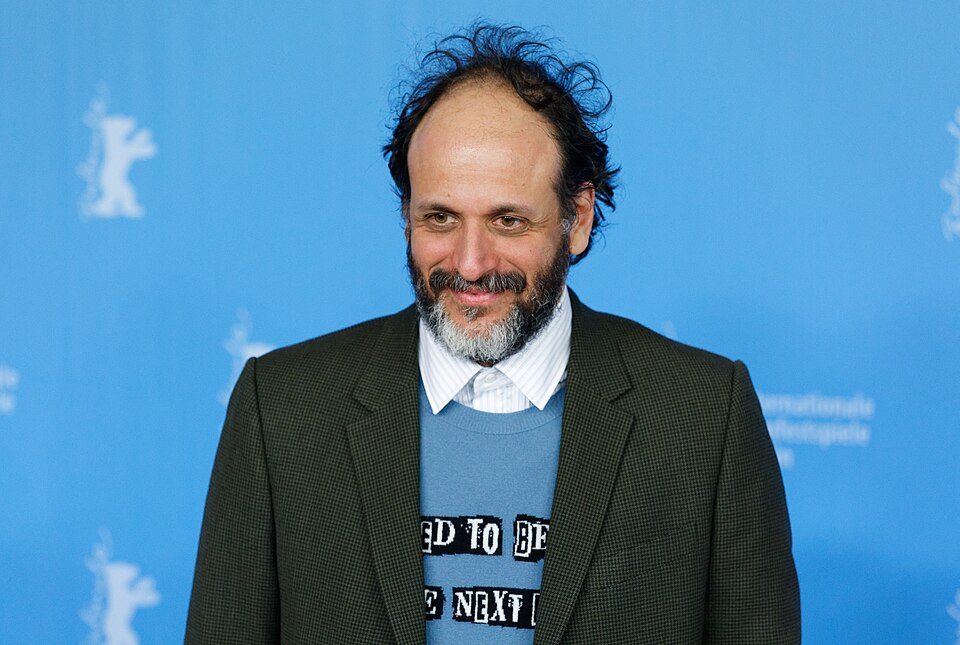
Luca Guadagnino did not come to Locarno to talk about his OpenAI film, Artificial. He came to talk about someone else's movie.
The director attended the 79th edition of the Locarno Film Festival in Italian-speaking Switzerland to support Ketticè, the second feature from Giovanni Tortorici, his former assistant. Guadagnino is among the film's producers. According to The Hollywood Reporter, he met with reporters at the festival to explain why he got involved and what he believes is at stake for Italian cinema more broadly.
The film is set in Palermo, Sicily in 2012, during the era of Silvio Berlusconi's dominance as a media mogul turned politician. It centers on Giulio, a 16-year-old described as listless and without enthusiasm for school or any clear future. His life shifts when he meets Ketty, a more self-assured peer. Their relationship becomes what a synopsis calls "a shared refuge in their search for freedom, far from the judgmental gaze of the adult world." The film stars Salvatore Gallina, Rachele Testagrossa, and Monica Bellucci, who plays Giulio's mother in an aristocratic Sicilian family.
Guadagnino was asked whether producing Tortorici's work was his way of keeping Italy's cinematic tradition alive. "Most definitely," he replied. He acknowledged the country's historically strong output, saying Italian cinema "from the silent times until the '70s, generated some of the most important personalities in the history of cinema, but also as an industry, had created a system that was the envy of many other countries."
But then things changed. Guadagnino pointed to television as the turning point. With "the advent of private TV and the Berlusconi empire," he said, the industry "dried [up], and most of what was produced for cinema became TV. Genre was killed." He described what followed as a narrowing of ambition, where the concept of authorship curdled into something smaller. "The movie industry shrunk and the perspective shrunk and the cinema of Italy became sterile and totally devoid of an idea of language and of an idea of life," he said.
Tortorici, in Guadagnino's view, is a break from that pattern. "When you meet a personality like Giovanni, who, of course, is an Italian filmmaker working in Italy, but I like to think that he's a filmmaker, period, when you meet someone that is a complete rarity in the landscape of Italian cinema, you must protect it," he said. Cinematography for the film is by Camilla Cattabriga, with editing by Marco Costa. International sales are being handled by PiperPlay.