Voters in six states cast ballots Tuesday in primaries that will shape races for the House, Senate, and governor's offices in November. The results could affect which party controls Congress next year.
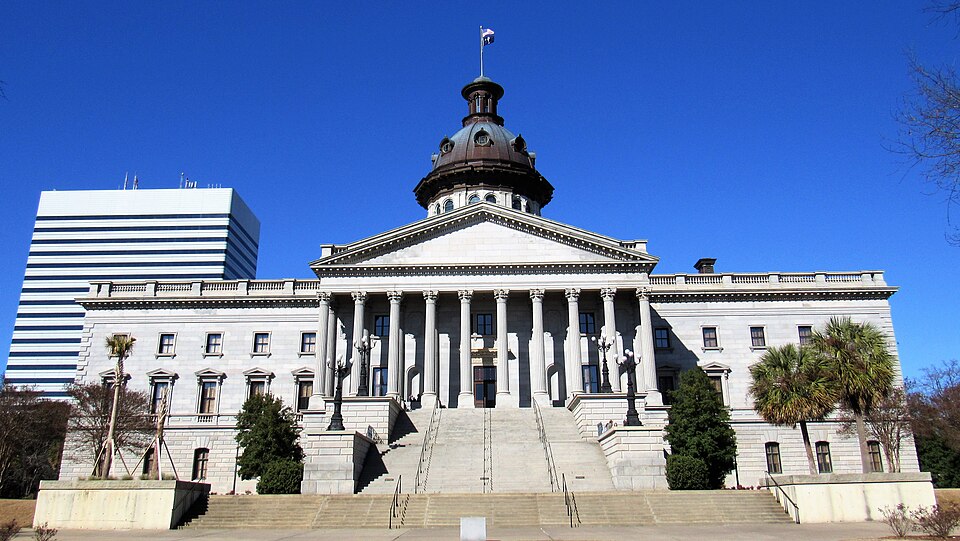
The most closely watched contest was in South Carolina, where 10 candidates competed to fill the Senate seat left vacant by the death of Sen. Lindsey Graham in July. Neither of the two candidates who advanced to an August 25 runoff secured enough votes to win outright. Sen. Darline Graham, Lindsey Graham's sister, who was appointed by Gov. Henry McMaster to complete her brother's term, will face Rep. Ralph Norman in the runoff, according to race calls by the Associated Press reported by NPR.
President Trump backed Darline Graham and made her case in a tele-rally Monday. "She looks so nice, but she's actually tough and strong, and she's the perfect person to carry on Lindsey's legacy," Trump said. Graham, for her part, said she planned to focus on everyday economic concerns. "He was more of an expert on the federal budget, like I said I know the family struggles so I'm an expert on the family budget," she said of her late brother. "While I know national security is important I'm going to be more focused on the family struggles."
Norman, a member of the House Freedom Caucus who has served in Congress since 2017, placed third in South Carolina's June GOP gubernatorial primary. He has built a reputation as a fiscal conservative focused on cutting the federal deficit. "The Senate is the body where good bills die," Norman said following a campaign event earlier this month. He added that he would support "the president's agenda, America First agenda, with peace through strength, the economy we have to get back on track."
Also in the race was Rep. Russell Fry, who defeated former Rep. Tom Rice in the 2022 primary after Rice voted to impeach Trump. Fry faced accusations in this race that he was not sufficiently aligned with Trump by choosing to run at all, given the slim Republican House majority heading into a difficult midterm cycle.
In Wisconsin, voters chose candidates for the first open governor's seat since 2010. Democratic Gov. Tony Evers announced last year he would not seek reelection, and both parties held competitive primaries. Democratic socialists continued their challenge to the Democratic establishment in the governor's race, a storyline that has defined the Wisconsin Democratic primary this cycle. House primaries in the state also drew attention for their potential impact on the balance of power in Congress.
Minnesota held primaries in both parties to replace retiring Democratic Sen. Tina Smith and retiring Gov. Tim Walz, along with several competitive House races.
In Connecticut, Democratic Gov. Ned Lamont, first elected in 2018, fended off a primary challenge from Josh Elliott and will face Republican Ryan Fazio in November, according to ABC News projections.
Alabama held primaries in four congressional districts that were delayed from May after Republican Gov. Kay Ivey pushed back the dates following a Supreme Court decision limiting portions of the Voting Rights Act, which triggered mid-decade redistricting across several Southern states.
Vermont also voted Tuesday, including a Democratic primary for governor. The winner will face incumbent Republican Gov. Phil Scott in November.
The South Carolina runoff is set for August 25.