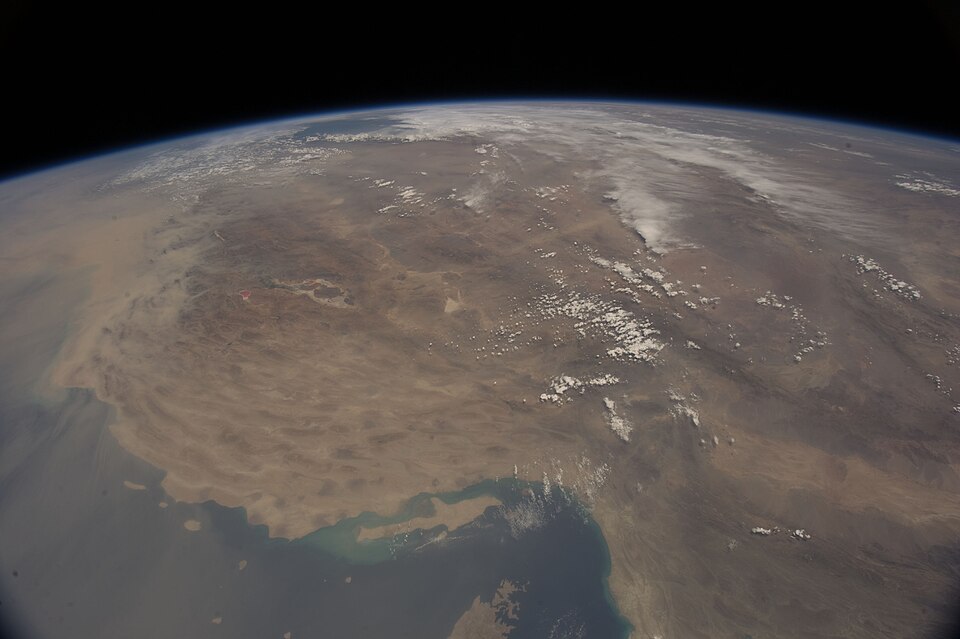
Ship traffic through the Strait of Hormuz dropped to a one-week low of eight vessels on Wednesday, according to data reported by Reuters. Before the war started on February 28, around 130 ships a day passed through the waterway. The near-total shutdown of traffic is being felt across global energy markets, with oil prices rising sharply this week before leveling off Wednesday.
Six people on a vessel in the Red Sea were killed by Iran-backed Houthi rebels, Yemen's coast guard said Tuesday. The U.S. military also said Tuesday it had fired on a Panama-flagged ship in the Gulf of Oman that tried to evade the American blockade of Iran.
An oil spill off the coast of Oman is adding to the regional crisis. The United Nations shipping body confirmed Wednesday that oil from a grounded tanker has started reaching Oman's mainland. "Oil is drifting offshore to the northeast of [Oman's] Al-Qibliyyah Island, with some oil reported to be reaching the mainland. Oil spill contingency planning is in place," a spokesperson at the International Maritime Organization said. The slick now covers almost 155 square miles, according to the Omani government.
The oil is believed to be leaking from the tanker Caroline Bezengi, which was carrying approximately 800,000 barrels of oil from Russia to Asia when it grounded off the Omani coast on June 30. "Oil has been leaking from the vessel for some time. The seasonal monsoon has limited access to the vessel and delayed salvage operations," the IMO said.
Oil prices were essentially flat Wednesday after rising sharply earlier in the week. U.S. oil had risen above $83 a barrel, according to CNBC, as Iran signaled the Strait of Hormuz would not reopen until its conditions were met.
Amid the military and economic disruption, Turkey moved to consolidate a new regional security arrangement. Turkish President Recep Tayyip Erdogan said Wednesday he hoped more countries would join a defense agreement signed last week between Turkey, Saudi Arabia, and Pakistan. "Our vision for it is not limited to the three countries," Erdogan told the London-based Asharq Al-Awsat daily. "Rather we aspire for it to grow, and perhaps appropriate conditions will emerge one day for all countries of the region to gather under its umbrella."
Turkish Foreign Minister Hakan Fidan said Saturday that Turkey expected Egypt to join the pact, called the Mecca Joint Defense Agreement. Egypt has not commented on the agreement. Fidan is scheduled to visit Cairo on Thursday and Friday. The pact includes a clause stating that any attack on one member would be considered an attack on all.