Farmers across Samoa and Tonga are turning to their ancestors for answers. Rising temperatures, unpredictable rainfall, and exhausted soils are pushing Pacific Island agriculture to a breaking point, and a growing number of farmers are combining centuries-old practices with modern science to find a way through.
According to a report by Phys.org, a three-year multinational research project has been working directly with farmers, researchers, and government officials in both countries to test whether that combination can work at scale. The project is led by the University of Melbourne, in partnership with the University of the South Pacific Samoa Campus, MORDI-Tonga Trust, and Lincoln University in New Zealand.
The research centers on a framework called Sustainable Agriculture Intensification, or SAI. The SAI goals focus on raising productivity, increasing resource-use efficiency, and reducing the negative environmental impacts of agriculture. Researchers are pairing those goals with traditional knowledge that Pacific communities developed over thousands of years of farming in the region.
The practical challenges are significant. Farmers in both Samoa and Tonga face prolonged droughts alongside irregular rainfall, a combination that makes planning a growing season difficult. At the same time, the cost of agricultural inputs, particularly herbicides, has been rising. SAI practices are designed to address both problems by improving weed management, plant water availability, and soil health while reducing reliance on chemical inputs.
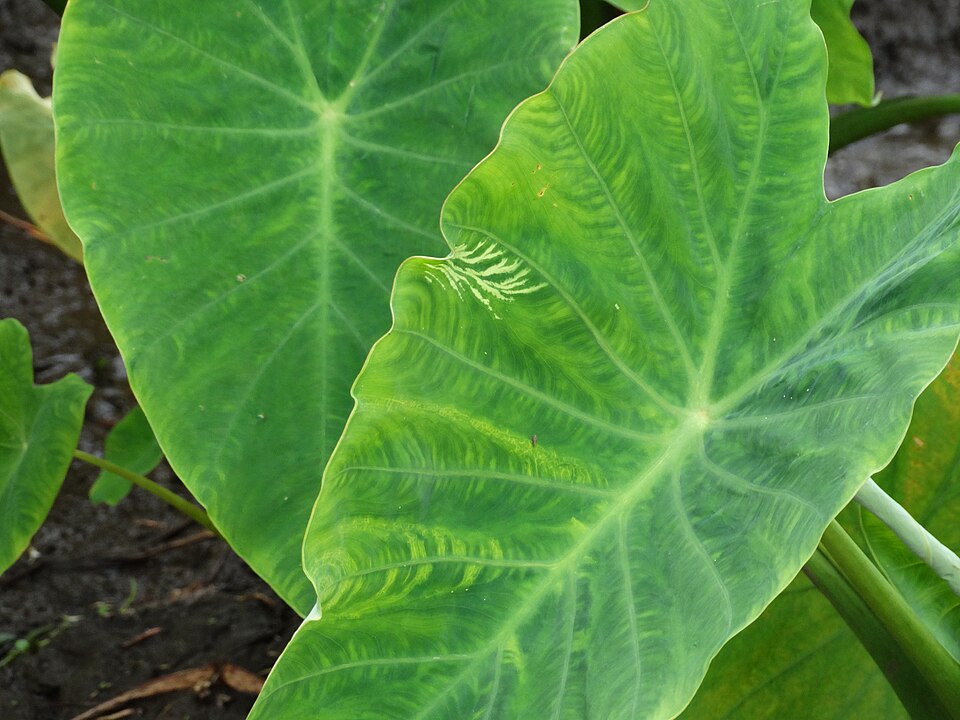
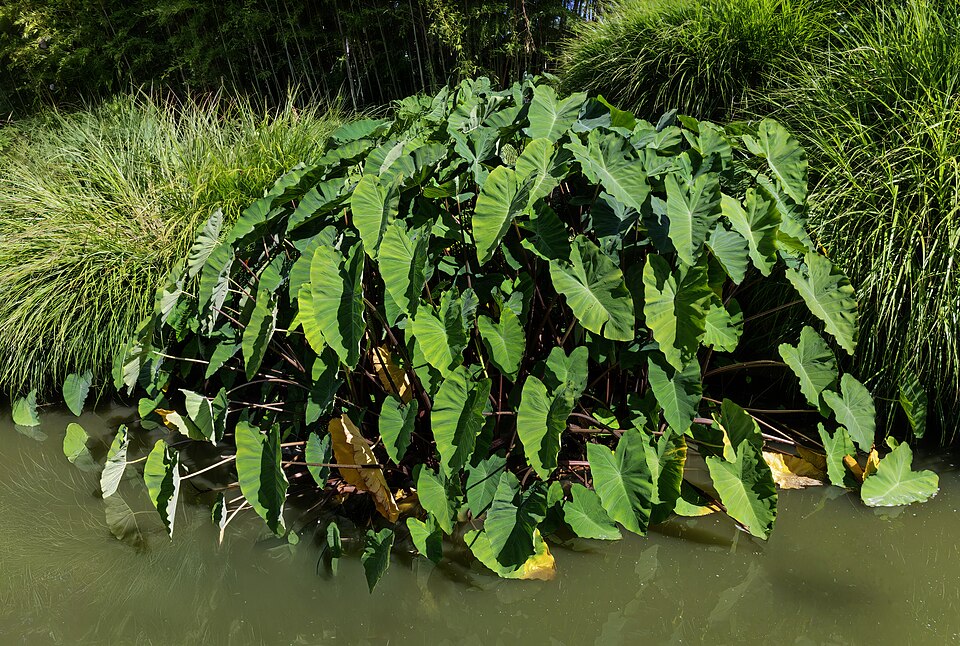
One of the clearest examples comes from Samoa, where taro is at the center of the effort. Taro, known scientifically as Colocasia esculenta, is central to Samoan diets and cultural identity and is also an important export crop. It is a carbohydrate-rich staple, consumed both fresh and in processed products like flour, chips, noodles, and baby food. Current techniques that use chemical weed killers to grow taro are costly and negatively affect soil health and the surrounding environment. Farmers are now trialing alternative weed control methods like mulching and sheep grazing, comparing these techniques with traditional hand weeding.
The research design is built around genuine collaboration. Each country has both farmer-managed trial sites and controlled research sites. Farmers test practices under real-world conditions, while research sites generate detailed biophysical data using the same treatments. The researchers say this dual structure gives the project something most laboratory studies lack: insight into both the practical application and the scientific performance of new farming methods at the same time.
That structure has also built trust. By working hand-in-hand with farmers through what the researchers describe as co-design and local partnerships, the project has created a sense of ownership among the people actually using the techniques. That matters for what comes next. The team says the combined trial data provides a strong foundation for scaling up successful practices across the Pacific, moving tested methods beyond individual farms and into wider use.
The project does not frame traditional knowledge as a historical curiosity. It treats it as a working resource, something farmers developed because it produced results in local conditions over a very long time. The effort to recover and formalize that knowledge, alongside controlled scientific testing, is what the researchers say makes the approach different from conventional agricultural development programs. Whether the trials produce results durable enough to hold up through the climate pressures still ahead is a question the ongoing data from Samoa and Tonga will begin to answer.