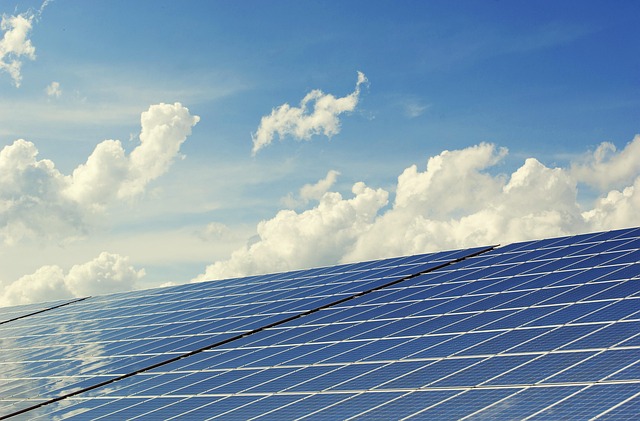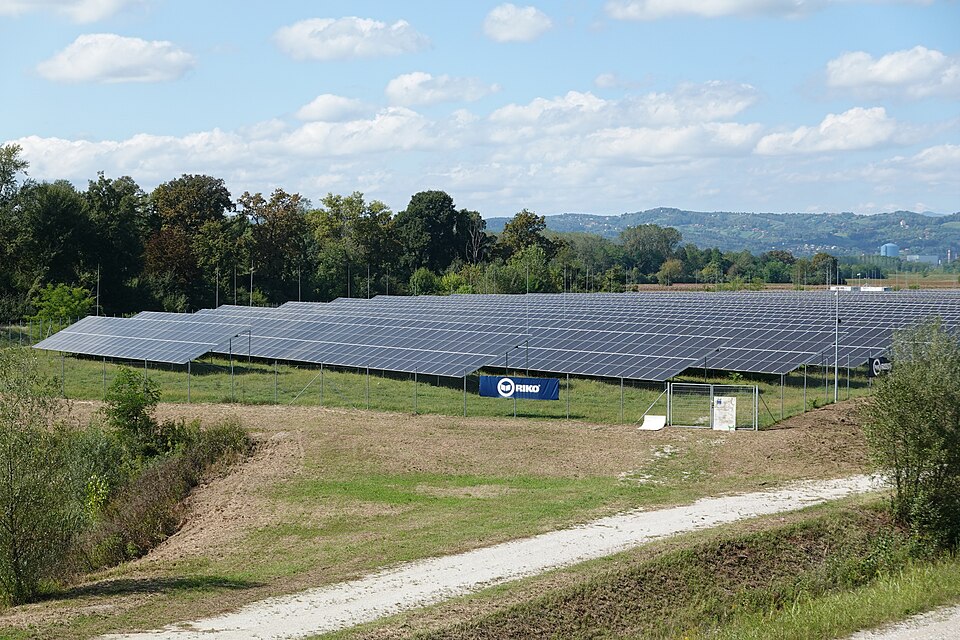
The numbers from the first half of 2026 are in, and solar is leading by a wide margin.
According to data from the US Energy Information Administration, 368 utility-scale power plants began operation in the United States between January and June. Of those, 207 were utility-scale solar projects and 95 were battery storage installations, as reported by Ars Technica.
The single largest entries on the list were two wind farms. SunZia Wind South and SunZia Wind North, both located in New Mexico, came online this spring with a combined generating capacity of 3,650 megawatts. That makes them the largest wind farms in the country. The projects were roughly a decade in development before reaching completion.
The size of SunZia, however, does not point toward a broader wind energy trend. US onshore wind development has slowed for reasons tied to regulations and public opinion. SunZia is more of a holdover from an earlier period of wind expansion than a sign of what is coming next.
The second-largest individual plant on the list is the Trumbull Energy Center in Ohio, a 900-megawatt combined-cycle natural gas plant. It is part of a broader expansion of natural gas generation in the PJM Interconnection grid region, which covers portions of the Mid-Atlantic, Midwest, and South.
Vineyard Wind, the offshore wind project near Massachusetts, also completed during this period. Like SunZia, it had been in development for a long time, and its completion does not clearly signal where offshore wind is headed in the near term.
The plant that most directly reflects the current dominant trend is Green River Energy Center in Utah, which came online with 800 megawatts of combined capacity, split evenly between 400 megawatts of solar and 400 megawatts of batteries. That pairing of solar generation with battery storage appeared repeatedly across the list and defined much of the activity in the first half of the year.
The 95 battery projects that came online represent a significant part of the story. Battery storage allows solar generation to be captured and dispatched after sunset, addressing one of the central challenges of relying on solar as a primary power source. The growth of paired solar-and-battery projects signals a shift in how new generation capacity is being structured.
The full list of 368 plants covers a wide range of technologies and scales, but the concentration of solar and battery projects across it makes the trend difficult to miss. Natural gas plants are still being built, and large wind projects are still completing, but in raw project numbers, the first half of 2026 belonged to the sun.