On a 90-degree afternoon in Miami, stepping under a large tree can drop the temperature by as much as 10 degrees. New research from Florida International University shows that not every tree delivers that kind of relief, and the difference has real consequences for how cities plan their green spaces.
The research comes out of FIU's Institute of Environment, where a team led by biologist Christopher Baraloto has spent more than two years collecting temperature data, cataloging trees, and surveying residents across Miami-Dade County. According to Phys.org, the project drew on inventories of more than 9,000 urban trees, countywide canopy analyses, and responses from 600 residents. Their central finding is that the cooling power of urban trees depends heavily on the size and density of the canopy, not simply on whether trees are present at all.
Miami provided an urgent backdrop for the work. This summer, residents across Miami-Dade County experienced one of the longest recorded streaks of consecutive days above 90 degrees Fahrenheit. Heat indexes, which combine temperature and humidity, pushed past triple digits in many areas. In neighborhoods dominated by asphalt, concrete, and rooftops, the urban heat island effect pushed temperatures even higher.
Baraloto, who directs the International Center for Tropical Botany at the Kampong, a collaboration between FIU and the National Tropical Botanical Garden, sees trees as more than landscaping. "I hope everyone can recognize the value of trees for their ecological benefits, including cooling and stormwater mitigation," he said. "If we start with that premise, I believe we can have the conversations needed to support healthy, vibrant communities."
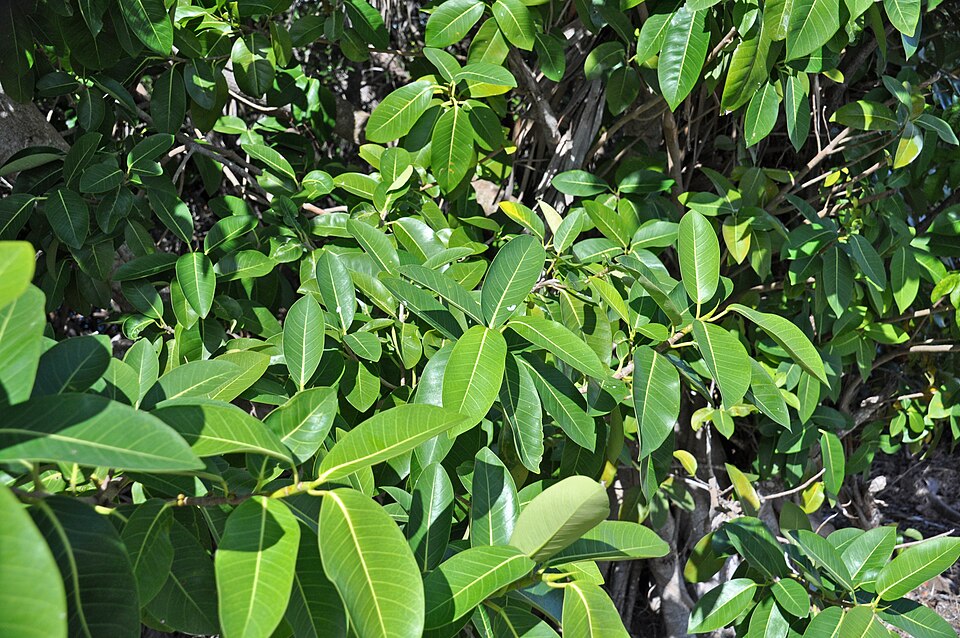
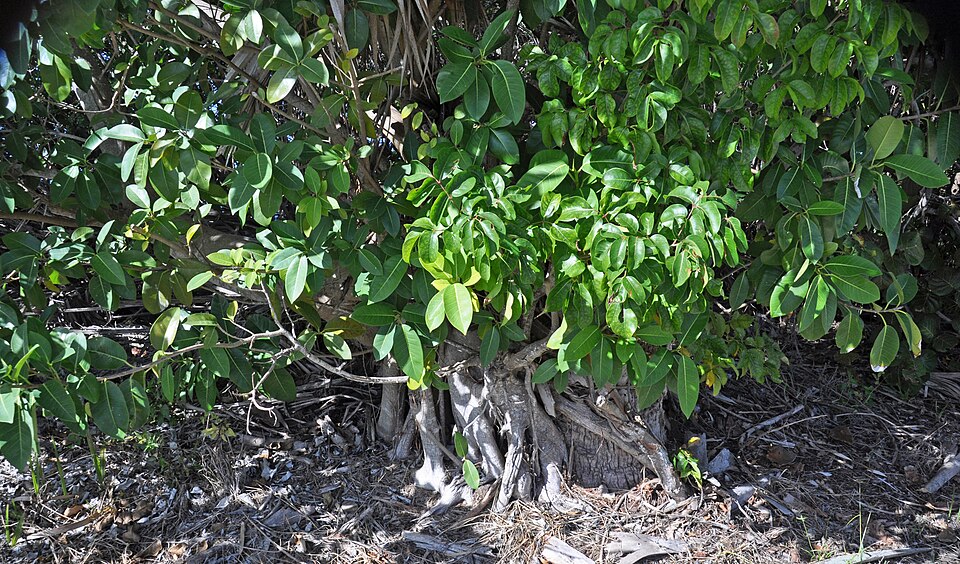
The research makes clear that tree species and age matter. Trees with large, dense canopies, such as native fig trees, deliver the most cooling. Palm trees and ornamental species like the royal poinciana perform significantly worse. A young tree, regardless of species, does not cool the way a large, established one does.
Madison Kinder, an urban ecology fellow in the Institute of Environment, is studying how trees affect communities beyond temperature, including their ability to reduce UV exposure. She noted that a young tree will not cool in the same way a large, older tree can. The point is relevant to cities that plant saplings as part of heat-reduction plans and then count those trees as cooling assets before they have grown large enough to function as one.
Paulo Olivas, an assistant professor of Earth and Environment at FIU, summarized the team's broader conclusion. It matters what trees are planted, how large they become, where they grow, and whether mature canopy is protected. In other words, planting more trees is not enough on its own.
Baraloto also led a street tree inventory in Coconut Grove, one of Miami's older and more canopied neighborhoods, as part of the broader research effort. The findings from that inventory fed into the team's larger argument that protecting existing mature trees is as important as planting new ones.
The research adds detail to a debate that many cities are having as summers grow hotter. Urban foresters and city planners have long promoted tree planting as a heat-reduction strategy, but the FIU data suggests that without attention to species selection, canopy size, and the protection of older trees, the benefits may fall well short of expectations.