

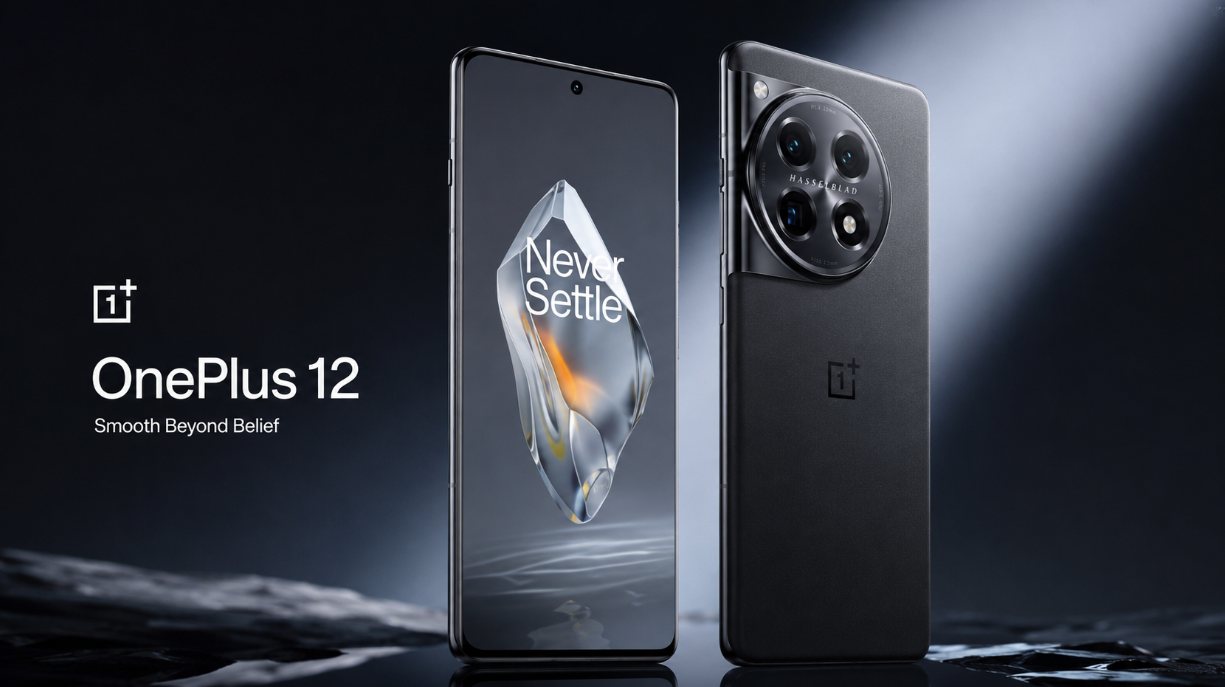
OnePlus confirmed in July 2026 that it is pulling out of North America and Europe, ending sales in two of its most visible markets and leaving current device owners facing a significant software shift.
According to Engadget, most of OnePlus's catalog is now out of stock on its own website, though phones and audio accessories remain available through third-party retailers like Amazon. The more complicated question for buyers is whether purchasing a OnePlus device now makes sense, given what the company has announced about future software support.
OnePlus has said that software and after-sales support for existing devices will continue. But the company is changing how future Android updates will be delivered. Instead of OxygenOS, the operating system that built the brand's reputation, users who want newer versions of Android will be expected to switch to ColorOS, the software interface used on Oppo smartphones.
OxygenOS built its following by offering a clean, fast, and highly customizable Android experience. It debuted alongside the original OnePlus One, which launched with CyanogenMod, a community-driven version of Android. The company later developed its own version and OxygenOS became a consistent selling point, praised in nearly every review of a OnePlus device for its speed and feature set.
The transition to ColorOS has frustrated longtime users. However, Engadget noted that OxygenOS and ColorOS have shared the same codebase since 2021, meaning the practical difference between the two has narrowed considerably. A user switching between a recent OnePlus phone and a recent Oppo phone would find the software nearly identical. ColorOS does carry somewhat more pre-installed software compared to OxygenOS, and some of the small customization touches that distinguished OxygenOS may not carry over.
The company's most recent flagship, the OnePlus 15, was well regarded before the withdrawal announcement. At a price of $900, the phone drew praise for its performance and battery life, with cameras being the main area where reviewers found it lacking compared to competitors.
For most new buyers in the United States, Engadget concluded the answer to whether they should purchase a OnePlus device now is probably no. The combination of limited retail availability, no direct manufacturer presence, and a software future tied to a platform the company did not originally design makes the purchase a high-risk decision for anyone planning to stay with the device long-term.