

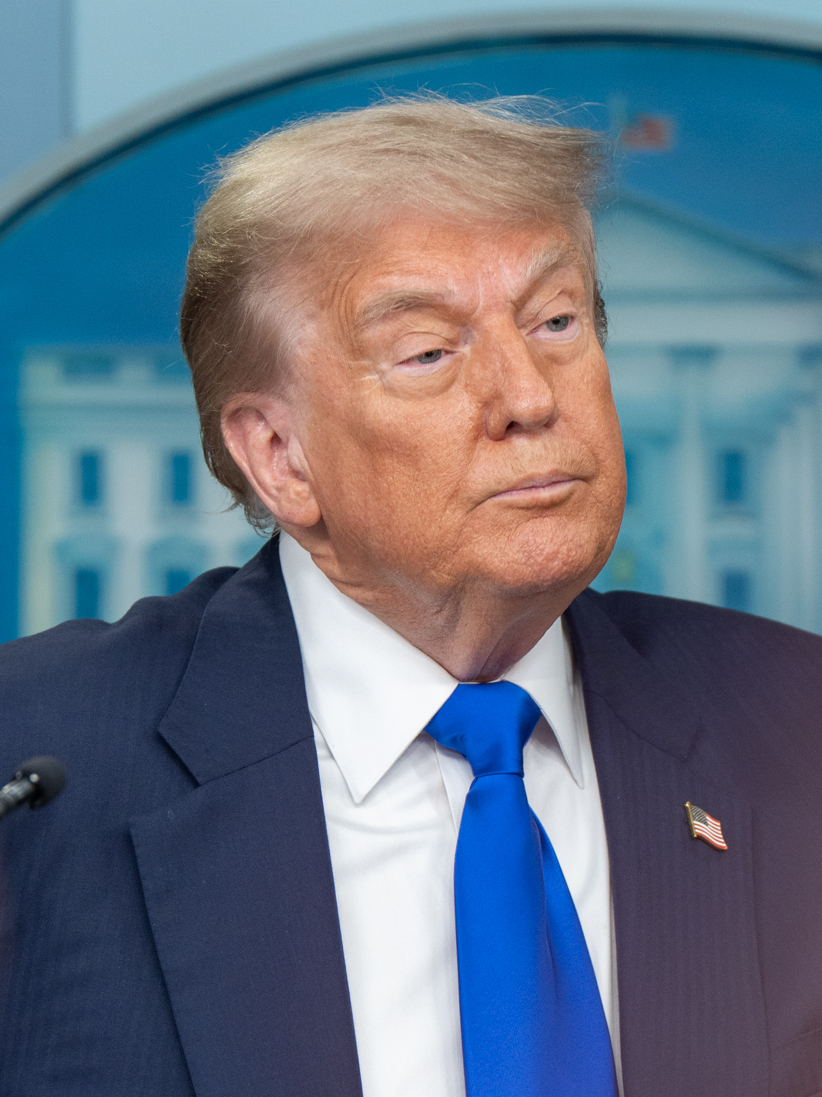
ABC filed a First Amendment lawsuit against the Federal Communications Commission on Tuesday, claiming the Trump administration has run a deliberate campaign to punish the network for its news coverage and programming decisions. The suit was filed in federal District Court in Washington, D.C.
According to reporting by Deadline, The Wrap, and Variety, the lawsuit accuses the FCC of targeting ABC specifically because of what it broadcasts. "Acting through the Federal Communications Commission, the Administration has waged a retaliatory campaign against ABC for a single reason: it disapproves of what ABC broadcasts," the lawsuit stated.
The filing also seeks a temporary restraining order against the FCC's efforts to force early license renewals for eight ABC-owned-and-operated television stations. Disney said those applications were made "under protest in response to an unlawful, arbitrary, and unconstitutional order." The company argued it has "no alternative means to eliminate these ongoing and immediate threats other than total capitulation to the Administration's demands."
The FCC, under chairman Brendan Carr, has taken aim at several ABC programs in recent months. The agency publicly criticized late-night host Jimmy Kimmel and the daytime talk show The View, and launched an investigation into whether The View violated so-called equal-time election laws after Democratic Texas Senate candidate James Talarico appeared on the show in February. The FCC also issued new guidance in January stating that late-night and daytime programs might need to give equal time to political candidates from opposing parties.
The Deadline report noted that the lawsuit cited a specific warning Carr issued last September, after Kimmel made a joke tied to the investigation into the assassination of Charlie Kirk. On a podcast, Carr said that "we can do this the easy way or the hard way," and that companies could act "or there is going to be additional work for the FCC ahead." Two major station groups with network affiliates said they would not air Kimmel's show, and ABC pulled him from the air for several days before restoring him.
ABC's legal team laid out two possible worst-case outcomes in the filing. "At one extreme, the Commission may intentionally prolong the adjudicative process, miring ABC in years of costly litigation, with the threat of adverse action ever present and with every editorial judgment shadowed by the prospect of provoking the Administration into further retaliation," they wrote. "At another extreme, the Commission may use the hearing to deny license renewal or immediately revoke the Stations' licenses, forcing Plaintiffs off the air entirely, as the President has repeatedly demanded."
The lawsuit is also heavy in references to Trump's public statements against ABC, including complaints over the network's moderation of the 2024 presidential debate and a Truth Social post in which the president complained about late-night shows being "100% negative" to him.
Disney CEO Josh D'Amaro had signaled the company's intentions before the lawsuit was filed. "We're very principled on this. We're going to stand up to what we believe is journalistic integrity," D'Amaro said in a CNBC interview during Disney's D23 Expo. "And we're not going to be told how to run that side of our business."
Earlier, ABC had urged the FCC to dismiss the early renewal license review, calling it "untimely and unwarranted." The company wrote at the time that the actions against it amounted to "a signal to every media company in the country: accommodate the Administration's view of what news coverage should look like or pay the price."
The final replies in the FCC's license renewal proceeding closed on Aug. 5. Carr told reporters last month that the agency would "look at the record and decide based on the evidence before us what the next step will be," but did not give a specific timeline. Bloomberg reported the FCC may issue a hearing designation order this month, which would begin a formal agency process to determine the fate of the licenses. An FCC spokesperson did not immediately return a request for comment on the lawsuit.