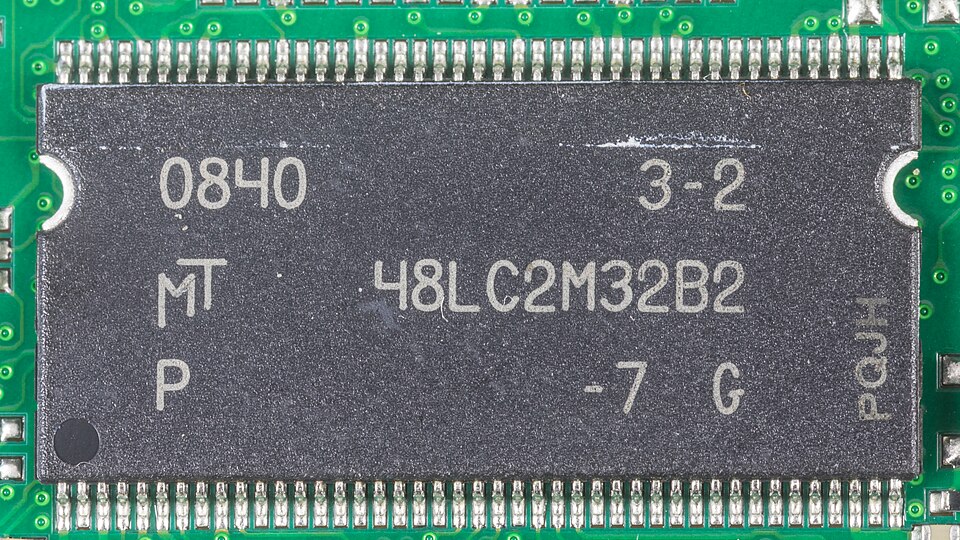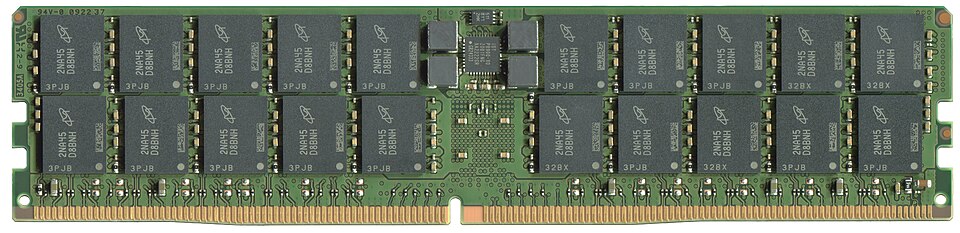
Micron Technology CEO Sanjay Mehrotra sat down with CNBC's Jim Cramer at a sprawling construction site in Boise, Idaho, and pushed back hard against investors who believe the current AI-driven memory boom is headed for a historic bust.
"Memory has become a key enabler of AI," Mehrotra told Cramer during the Thursday night interview on Mad Money. "Memory is the intelligence behind artificial intelligence."
According to CNBC, the interview aired as Wall Street continues to debate one central question: how long the current memory cycle will last. Micron's stock currently trades at less than seven times forward earnings, a number that reflects deep skepticism among bears who argue that what goes up in the memory industry always comes down hard.
Mehrotra's career spans more than four decades in the memory business. He started at Intel during the early days of personal computing, then co-founded SanDisk in the late 1980s. He now leads Micron at what CNBC described as a pivotal moment for the entire industry, one shaped by a dramatic supply-and-demand imbalance tied directly to the AI buildout.
Micron's main rivals are South Korea's SK Hynix and Samsung. All three companies have seen soaring profits and stock price gains, though each has also experienced a recent pullback. All three are investing billions of dollars in new manufacturing capacity. The problem, as Mehrotra explained, is that there is a multiyear lag between breaking ground on a fabrication plant and actually getting chips into customers' hands. The Boise site where he and Cramer spoke is home to two facilities currently under construction.
The bear case rests on history. Memory is a cyclical industry, and past booms have been followed by painful busts. Bears argue that the phrase "this time is different" has burned investors before. But Mehrotra laid out reasons why the current cycle may behave differently from prior ones. Demand is not coming from a single source. While AI data centers are the primary driver right now, handling both the training of large models and the day-to-day inference work those models require, Mehrotra pointed to a broader trend: processing power is increasingly being pushed to the edge, meaning devices outside the data center will also need more memory. That adds another layer of demand on top of an already supply-constrained market.
The supply side of the equation is constrained by design and by physics. Building a fabrication plant takes years. That timeline creates a natural buffer against the kind of rapid oversupply that has historically triggered memory downturns. Whether that buffer is enough to sustain the current cycle is the question Micron's stock price is still working to answer.
CNBC noted that Cramer's full interview with Mehrotra is available for viewers who want a deeper look at not only Micron's position but also the broader AI infrastructure buildout. The outlet described listening to the full conversation as a worthwhile endeavor for long-term investors.
Micron is at the center of a spending wave that shows no signs of slowing. AI companies continue to pour money into data center infrastructure, and memory is a core component of every server and chip in that ecosystem. The construction site in Boise is one visible sign of just how large the bets being placed on that demand actually are.